
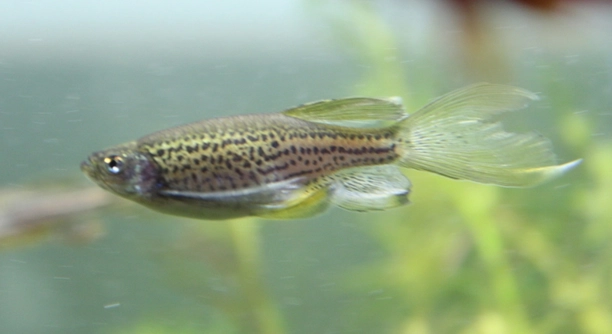
Have you ever noticed your zebra danio acting strangely after a meal, especially when it starts twitching or darting around the tank?
The most common reason your zebra danio twitches after feeding is stress caused by poor water quality or overfeeding. Sudden changes in environment, leftover food particles, or digestive discomfort may also contribute to this behavior.
Knowing what triggers this response can help you adjust your tank’s conditions and feeding habits to keep your fish healthy and calm.
What Causes Twitching After Feeding
Zebra danios may start twitching after eating due to stress from overfeeding, poor water quality, or sudden changes in their environment. When uneaten food breaks down, it releases ammonia, which quickly affects water parameters. This can lead to discomfort and erratic movements. Another reason could be intestinal bloating, often triggered by a diet too high in protein or dried foods that expand in the stomach. In some cases, the behavior may also stem from competition during feeding time, especially in crowded tanks. This causes fast, frantic eating, which increases the chance of digestive upset. Stress-related behavior is common in danios, especially when tank conditions are inconsistent. Simple actions like overfeeding or failing to remove debris can have quick effects. Observing your fish closely after meals can help you catch these issues early. Consistent maintenance and balanced feeding play an important role in keeping your fish active but not stressed.
Behavior like twitching should not be ignored, especially if it continues after each feeding session.
Understanding the root cause will help you make specific changes to support a more comfortable feeding experience for your zebra danios.
How to Prevent Post-Feeding Twitching
Start by checking your water parameters regularly. Ammonia and nitrite levels should always stay at zero.
A clean and stable tank environment is essential for preventing stress-related behavior. Feed your danios small portions they can finish in under two minutes. Use a varied diet, including quality flakes and frozen foods, to reduce the risk of bloating. Avoid feeding only dried foods that expand in their stomachs. If you suspect aggressive feeding behavior, try spreading out the food more evenly to give each fish a fair chance. Monitor their behavior closely after meals—if twitching stops with changes, you’re likely on the right track. Clean leftover food quickly and change water weekly to maintain a stable system. Overfeeding is one of the most common reasons for erratic swimming. Stick to a feeding schedule and adjust based on how much your fish actually eat. A bit of consistency in feeding and tank care can go a long way toward keeping zebra danios relaxed and healthy.
Signs the Twitching Is Linked to Feeding
If the twitching starts only after meals and gradually settles, it’s likely connected to feeding. Look for patterns such as darting, body shivers, or sudden bursts of movement right after food is introduced to the tank.
Zebra danios are fast swimmers, but consistent twitching right after eating can signal a problem. If it’s paired with gulping at the surface, hiding, or odd swimming angles, the cause may be stress or discomfort from the meal itself. Overeating or improper digestion can trigger this behavior, especially when fish are competing for food. Uneaten food also degrades water quickly, increasing stress levels. If you notice this happening mostly after larger meals or new food types, scale back and monitor. Reducing portions and spacing out feeding may ease these symptoms. Watch how long the twitching lasts and if it stops when tank conditions improve.
Frequent twitching after eating can also signal bloating or a sensitivity to certain food types. If the behavior is accompanied by a slightly distended belly or your fish becomes sluggish, consider switching to a lighter, more varied diet. Foods that expand, such as flakes or pellets, can cause discomfort if eaten too quickly or in large amounts. Smaller feedings often help reduce these signs.
When Twitching Means Something More Serious
If your zebra danio continues to twitch long after meals and shows signs like clamped fins, fading color, or isolation from the group, it could be a sign of illness. These symptoms should not be overlooked.
Extended twitching may indicate parasites or bacterial infections that affect your fish’s nervous system or digestion. Internal parasites can be triggered or aggravated by food, which is why symptoms appear around feeding time. Infections like columnaris or internal swelling may also present as twitching or erratic swimming. If changing diet and water quality does not improve the issue, it may be time to isolate the fish and consider medicated treatments. It’s best to observe their behavior over a few days and look for other physical signs. Early treatment is more effective, so identifying changes quickly gives your zebra danio a better chance to recover without complications or spread to other fish.
How Diet Plays a Role
A diet high in dried or protein-rich foods can lead to bloating or poor digestion, especially when zebra danios eat too fast. Expanded food in their stomach causes discomfort, often triggering twitching or erratic movement.
Adding variety such as frozen daphnia or soaked pellets can ease digestion and reduce post-feeding stress.
The Importance of Tank Setup
Zebra danios need room to swim and low-stress surroundings to stay healthy. A tank that is too small or crowded can make feeding more frantic, increasing the chances of twitching after meals. Soft currents and plenty of open space help reduce anxiety.
Watch for Patterns
Noticing when the twitching happens and what your fish ate before can help you make better choices moving forward. Keeping a routine makes changes easier to track.
FAQ
Can twitching after feeding be normal behavior in zebra danios?
Zebra danios are fast swimmers with high energy, so occasional twitching or quick darts around the tank can be normal. However, if it always happens right after feeding and is paired with signs like hiding, surface gulping, or sudden stillness, it may be a response to discomfort. This behavior could be due to overeating, poor digestion, or water quality changes caused by leftover food. Keep an eye on how long the twitching lasts and whether it changes when diet or tank maintenance improves. If it becomes frequent, take steps to adjust their environment or diet.
Should I change the type of food I give them?
Yes, if the current food seems to cause problems, it’s worth making changes. Avoid only feeding dry flakes or pellets, as these can expand in the stomach and cause bloating. Add moisture-rich options like frozen daphnia, bloodworms, or pre-soaked pellets. These are easier to digest and reduce the chance of discomfort. Also, consider feeding smaller portions more frequently rather than one large meal. Introducing variety not only supports digestion but also provides a better nutritional balance. If you notice a clear improvement with new food, keep track of what works and stay consistent with it.
How often should I feed my zebra danios?
Feed adult zebra danios once or twice a day with only what they can finish in about two minutes. Overfeeding is a common issue and can quickly lead to bloating, twitching, and poor water quality. Danios tend to be quick eaters, but giving too much food at once increases stress during mealtime. Smaller, more frequent feedings help reduce this. If uneaten food is left behind, reduce the portion slightly. Watch their behavior after feeding to adjust the routine. Sticking to a consistent feeding schedule also helps reduce anxiety and creates a more balanced tank environment.
Can poor water quality cause twitching?
Yes, poor water quality is one of the main reasons zebra danios twitch after feeding. Uneaten food breaks down and releases ammonia, which stresses fish and can affect their nervous system. Check ammonia, nitrite, and nitrate levels regularly, especially if twitching begins to occur frequently. A simple water test can show if these levels are off. Weekly water changes, removing debris after meals, and avoiding overfeeding will help keep the tank clean. A stable environment supports your fish’s health and lowers the chances of twitching related to water conditions.
Do zebra danios need a lot of space?
Yes, zebra danios need plenty of space to swim freely. A tank that is too small or crowded leads to stress and aggressive feeding behavior, which may trigger twitching after meals. A 10-gallon tank is the minimum for a small group, but more space is always better. They are active swimmers and need room to spread out during feeding. Adding plants and hiding spaces can also help reduce competition. When danios feel less crowded, their behavior during and after feeding becomes more relaxed, lowering the risk of twitching.
What if only one zebra danio is twitching?
If only one fish is twitching, isolate it temporarily and observe for signs of illness, such as clamped fins, swelling, or unusual swimming patterns. Sometimes an individual fish reacts differently to food or is more sensitive to water changes. Isolation also prevents the possible spread of infection if that’s the cause. During this time, feed the fish a gentler diet and maintain clean water. If symptoms improve, reintroduce it gradually. If not, consider treatment based on the symptoms seen. Early action helps prevent further health decline or stress for the rest of the tank.
Can parasites be the reason for twitching?
Yes, internal parasites or protozoa can cause twitching, especially after feeding. These parasites affect the digestive system and can lead to discomfort that appears shortly after meals. Look for other signs like weight loss, white feces, or a swollen belly. If these symptoms are present, a medicated treatment may be needed. Quarantine the affected fish and monitor its condition. Veterinary fish medications designed for internal parasites are usually effective if used early. Always research the specific treatment for your species, and keep water clean during recovery. Prompt care helps avoid lasting harm.
Final Thoughts
Zebra danios are active, curious fish, and small changes in their behavior, like twitching after eating, can signal something is off. While not every twitch is a reason to worry, noticing patterns helps you take the right steps. Most of the time, the cause is tied to stress, digestion, or water conditions. Keeping their tank clean, feeding a balanced diet, and watching how they act after meals can make a big difference. Once the issue is identified and corrected, the twitching usually stops. Staying consistent with your care routine helps prevent these issues from coming back.
Feeding plays a bigger role than it might seem. Giving food that is too dry, too rich, or offered in large amounts can upset their digestion. This can lead to twitching, especially right after eating. Soaking pellets, offering small amounts, and mixing in frozen or live foods may ease discomfort. Paying attention to feeding times and how much is given reduces the chance of overfeeding. When the food is right and the tank is calm, zebra danios eat without stress and are more relaxed afterward. Keeping a simple log of food changes or feeding habits can help you spot what works best for your fish.
Clean water and enough swimming space matter just as much. Dirty water, leftover food, or strong currents can all add to post-feeding stress. Testing the water often and doing small weekly water changes help keep levels safe. Make sure your tank isn’t too crowded and that the flow isn’t too strong. A calm, clean tank allows zebra danios to thrive. When the environment supports their natural behavior, they show fewer signs of stress like twitching. Watching their habits and making small changes over time creates a better space for them to stay healthy. Paying close attention after meals helps you catch problems early and gives your zebra danios the best chance to stay active and comfortable.

Hello,
If you enjoy the content that we create, please consider saying a "Thank You!" by leaving a tip.
Every little bit helps us continue crafting quality advice that supports the health, happiness, and well-being of pets around the world, for pets of all shapes, sizes, and species.
We really appreciate the kindness and support that you show us!