
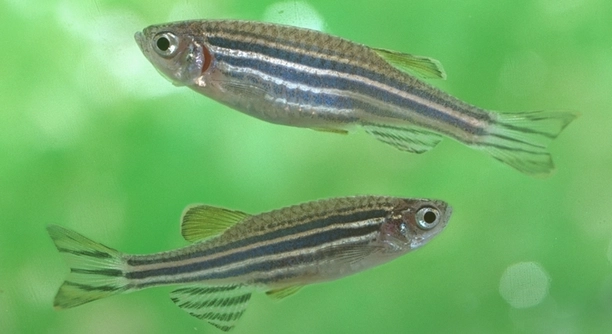
Have you ever looked into your fish tank and noticed your zebra danios swimming around with their mouths wide open, looking a little unusual?
Zebra danios often swim with their mouths open due to a need for increased oxygen intake, poor water quality, or stress from their environment. This behavior can also signal underlying health issues or changes in their habitat.
Understanding why this happens can help you better care for your fish and keep their tank a safe and healthy space.
Common Reasons Behind Mouth-Open Swimming
Zebra danios are known for their active swimming and playful nature. However, when they start swimming with their mouths open, it can be a sign that something is off. One common reason is low oxygen levels in the water. If the tank isn’t well-aerated or if the water is too warm, oxygen levels drop and the fish may struggle to breathe. Another possibility is poor water quality. High levels of ammonia, nitrite, or nitrate can irritate their gills and lead to labored breathing. Overcrowding in the tank also adds stress and reduces available oxygen. In some cases, the behavior may be linked to gill infections or parasites, which affect their ability to breathe properly. It’s also worth noting that zebra danios are fast swimmers and may briefly open their mouths during intense activity, which is usually harmless. Observing the context can help determine if it’s a sign of distress.
Check if the water parameters are stable and the tank is not overcrowded. These small checks can help prevent bigger issues.
Adding an air stone or adjusting the filter to improve surface agitation can help raise oxygen levels. Regular water testing also helps you catch any imbalance before it becomes a problem.
When It Might Signal Illness
Sometimes, open-mouth swimming can mean your zebra danio isn’t feeling well. Gill flukes, bacteria, and fungal infections may be affecting their ability to breathe normally.
If your fish is swimming near the surface, looks pale, or has clamped fins, it may be sick. Affected gills might appear red or swollen. Infections can lead to inflammation, making it harder for the fish to get enough oxygen. These symptoms often come with a drop in activity or unusual swimming patterns. If more than one fish shows signs, it could be spreading. Treating the tank with appropriate medication is key. Always quarantine new fish before adding them to your main tank. This helps avoid introducing disease. It’s also helpful to monitor your fish after any major changes, like switching food or altering their environment. Even small changes can stress them out, leading to weakened immunity. Paying attention early makes a big difference in how well they recover.
What You Can Do at Home
Start by checking your tank’s temperature, filter flow, and oxygen levels. If the tank feels warm or stuffy, increase water movement with a bubbler or stronger filter. These small changes can improve your fish’s breathing comfort.
Keep an eye on the water temperature—zebra danios do best around 72–78°F. Use a thermometer to monitor it daily. If the water is too warm, oxygen levels drop quickly. Make sure your filter is working properly and not clogged. Clean it regularly and consider adding live plants, which naturally help with oxygen exchange. Reducing the number of fish in a tank can also lower stress and improve water quality. It’s also a good idea to avoid overfeeding, which leads to waste and ammonia buildup. A consistent cleaning schedule helps keep things in check.
Water testing is a useful habit. Use test strips or liquid kits weekly to monitor ammonia, nitrites, nitrates, and pH levels. Any imbalance can harm your fish. If the numbers are off, do a partial water change—around 25%—to slowly correct the issue. Conditioners can help neutralize harmful chemicals during this process. Make sure to match the temperature of new water to the tank to avoid shock. These steps are small but make a big difference.
When to Ask for Help
If your zebra danio continues swimming with its mouth open after you’ve fixed the basics, it might be time to contact a vet or a fish care specialist. Persistent symptoms could point to a deeper health problem that needs treatment.
Don’t wait too long if your fish is getting worse. Labored breathing, staying near the surface, loss of appetite, or strange swimming behavior are all signs something more serious may be happening. A vet with experience in aquatic animals can check for gill parasites, bacterial infections, or internal issues. In some cases, you may need medication that isn’t available in pet stores. Keep a log of your water readings, recent changes, and feeding habits. This information helps professionals understand the situation better. Some stores also offer water testing and basic advice if you’re not ready to visit a vet. Acting early can improve your fish’s chances of recovery and prevent others in the tank from becoming ill.
Small Habits That Make a Big Difference
Feed your zebra danios the right amount and avoid leftovers sitting in the tank. Uneaten food breaks down and can lower water quality quickly. Clean up extra food with a net or use smaller portions when feeding.
Stick to a regular maintenance routine. Clean the tank weekly, change part of the water, and rinse filters as needed. These habits help maintain a stable, healthy environment and reduce stress for your fish.
How Tank Setup Affects Breathing
A well-set tank supports your zebra danios’ breathing and overall health. Make sure your tank is not too small—at least 10 gallons is best for a small group. Choose a filter that matches the tank size and creates gentle water movement. Avoid sharp decorations that may damage their gills or scales. Use gravel or sand that’s easy to clean, and avoid overcrowding, which can reduce oxygen levels and increase waste. Keep lighting moderate and allow a dark period at night to give your fish a natural day-night cycle. These small details help reduce stress and support better breathing habits in your fish.
Signs Things Are Improving
Your zebra danio will start swimming more actively and return to normal behavior. You’ll also notice it eating regularly and staying away from the surface.
FAQ
Why do zebra danios swim with their mouths open?
Zebra danios may swim with their mouths open for a few reasons, most commonly to increase oxygen intake. If the tank’s oxygen levels are low due to poor aeration or high water temperature, they might open their mouths more to breathe. It can also be a response to poor water quality, high ammonia levels, or a sign of stress. In rare cases, this behavior may be linked to gill infections or parasites. Regular water testing and proper tank maintenance can help prevent this issue.
What should I do if my zebra danio is swimming with its mouth open?
Start by checking the tank’s water quality. Test for ammonia, nitrites, and nitrates, as these can cause breathing difficulties if they are out of balance. If needed, do a partial water change to lower toxins. Increase water circulation with an air pump or filter to improve oxygen levels. If your fish continues to show signs of distress, look for additional symptoms like a loss of appetite or lethargy, and consider consulting a vet for further care.
Can zebra danios breathe with their mouths open?
Yes, zebra danios can breathe with their mouths open. When they open their mouths, they are likely trying to get more oxygen. This behavior usually happens when the oxygen levels in the water are low or the water quality is poor. They are still able to take in oxygen, but they may be struggling to do so effectively, which can lead to stress.
How can I improve oxygen levels in my zebra danio tank?
To improve oxygen levels, increase water movement by using a filter with stronger flow or adding an air stone. This will help oxygenate the water and create surface agitation, which allows for better gas exchange. You can also reduce the temperature slightly, as warmer water holds less oxygen. Adding live plants will help too, as they naturally release oxygen into the water.
Should I be worried if my zebra danio keeps swimming near the surface?
Swimming near the surface can be a sign that your zebra danio is trying to get more oxygen. If this behavior is accompanied by open-mouth swimming, it could indicate low oxygen levels or poor water quality. It’s important to test your water parameters and adjust as needed. If the behavior continues despite making improvements, it may point to an underlying health issue, and it might be worth consulting a vet.
How often should I clean my zebra danio tank?
You should clean your zebra danio tank at least once a week. This includes changing 20-25% of the water and cleaning the filter. Remove any uneaten food or waste to prevent water contamination. Regular cleaning helps maintain healthy water conditions and minimizes the risk of stress-related health problems.
What is the ideal water temperature for zebra danios?
Zebra danios thrive in water temperatures between 72-78°F (22-26°C). Keeping the water within this range ensures optimal health and activity levels. Water that’s too cold or too warm can cause stress and impact the fish’s ability to breathe properly, leading to open-mouth swimming or other signs of discomfort.
Can zebra danios recover from breathing problems?
Yes, zebra danios can recover from breathing problems if addressed early. Improving water quality, increasing oxygen levels, and reducing stress can help your fish recover. If an infection or illness is the cause, you may need to treat the tank with medication. Keeping the tank clean and providing a stable environment is crucial for their recovery.
What should I do if my zebra danio is not eating and swimming with its mouth open?
If your zebra danio is not eating and swimming with its mouth open, it could be stressed or unwell. Start by checking water parameters—make sure ammonia, nitrites, and nitrates are within safe ranges. Perform a partial water change and clean the tank. If the problem persists, observe your fish closely for other symptoms of illness. A trip to a vet specializing in fish care may be necessary if the situation doesn’t improve.
Are zebra danios sensitive to water changes?
Zebra danios can be sensitive to sudden changes in water conditions, especially temperature and pH. When making water changes, try to match the temperature of the new water to the tank’s water to avoid shocking your fish. Make gradual changes to avoid stressing your zebra danios, as they are sensitive to water quality shifts. Regular, smaller changes are better than large, infrequent ones.
How do I tell if my zebra danio is stressed?
Stressed zebra danios may display erratic swimming, rapid breathing, or swimming near the surface. Their fins might be clamped, and they may stop eating. Stress can be caused by poor water quality, overcrowding, abrupt changes in temperature, or incompatible tankmates. If your fish shows these signs, it’s important to check water conditions and make any necessary adjustments.
Can zebra danios live with other fish?
Yes, zebra danios are generally peaceful and can live with other non-aggressive fish. They do well in community tanks with species of similar size and temperament. Avoid keeping them with very aggressive fish or species that may compete for food or space. Always ensure the tank is large enough to comfortably accommodate all the fish.
Do zebra danios need a filter in their tank?
Yes, a filter is important for zebra danios. It helps keep the water clean by removing waste, debris, and toxins. A filter also promotes oxygenation by creating surface agitation. However, be sure to choose a filter that isn’t too strong, as it can cause current stress for small fish.
Final Thoughts
Zebra danios are active and resilient fish, but like all creatures, they can experience health issues when their environment isn’t ideal. If you notice your zebra danios swimming with their mouths open, it’s important to assess the tank’s water quality, oxygen levels, and temperature. These factors can significantly impact their ability to breathe and swim comfortably. By keeping a consistent routine of water testing, regular tank cleaning, and proper feeding, you can help prevent many common problems that lead to stress and discomfort for your fish.
While it’s natural for zebra danios to open their mouths occasionally while swimming, especially during periods of high activity, constant mouth-open behavior can be a sign that something is wrong. It could be a response to low oxygen levels, poor water quality, or even stress. Addressing these issues quickly is key to preventing further health problems. Adding aeration devices like an air stone, adjusting the temperature, and making sure the filter is working well can often help improve conditions in the tank. Regular water changes and keeping the tank from becoming overcrowded also play a role in maintaining a healthy environment for your zebra danios.
If the behavior continues despite making adjustments, or if you notice other concerning symptoms, it may be time to consult a fish vet. Respiratory issues can be linked to infections or parasites that require specific treatment. Taking quick action and ensuring your fish are getting the care they need will improve their chances of recovery and well-being. By staying proactive with tank maintenance and paying attention to any unusual signs in your zebra danios, you’ll be able to provide them with a healthier, more comfortable home.

Hello,
If you enjoy the content that we create, please consider saying a "Thank You!" by leaving a tip.
Every little bit helps us continue crafting quality advice that supports the health, happiness, and well-being of pets around the world, for pets of all shapes, sizes, and species.
We really appreciate the kindness and support that you show us!