
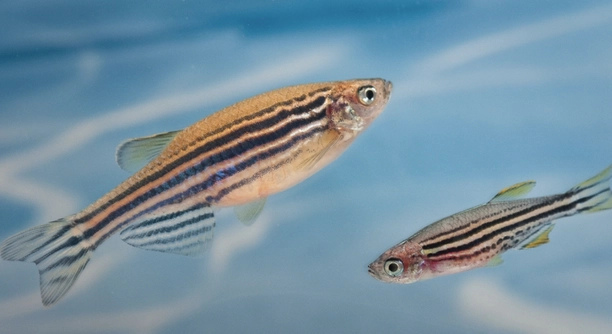
Zebra Danios are a popular species for breeding, but setting up the perfect environment for them can be tricky. A proper breeding zone is essential for their health and reproduction. Here’s how you can create an ideal space for these fish.
To create an ideal Zebra Danio breeding zone, focus on factors like water quality, tank size, temperature, and appropriate hiding spaces. Ensuring these elements are in place will encourage breeding and keep the fish healthy and comfortable.
From water conditions to tank decorations, each element contributes to a successful breeding experience for Zebra Danios. Understanding these factors can make a big difference in your breeding efforts.
Setting Up the Tank Size for Breeding
The size of your tank plays a crucial role in breeding Zebra Danios. Ideally, a 10-gallon tank is enough for a small group of fish. A larger tank can provide more space for the fish to swim and breed comfortably. Overcrowding can stress them out, making breeding more difficult. When setting up the tank, make sure to account for the number of fish you plan to keep and provide enough space for them to move freely. A larger tank also allows for better filtration and water quality, which is essential for breeding success.
To make things easier, choose a tank that’s long rather than tall. A longer tank gives the fish more space to swim and allows the eggs to settle on the bottom, reducing the chance of them being eaten by the adults.
For optimal breeding, you should set up your tank with plants and decorations that provide hiding spots for the eggs and fry. Plants like java moss or floating plants can give the fish a safe space to lay their eggs. Make sure the water isn’t too turbulent so the eggs can stick to surfaces like plants or the substrate.
Maintaining Water Quality
Water quality is one of the most important factors in breeding Zebra Danios. It’s essential to monitor and adjust the water parameters to suit their needs.
Zebra Danios thrive in clean, well-oxygenated water. Keep the water temperature between 70-78°F (21-26°C) and ensure the pH levels are slightly alkaline, around 7.0-7.5. Regular water changes are also necessary to keep the water free of harmful chemicals like ammonia and nitrites, which can hinder the breeding process. A good filtration system will help maintain water clarity and provide proper aeration, keeping the fish healthy.
Providing Hiding Spots for Eggs and Fry
Adding plants and decorations gives Zebra Danios a place to lay eggs and for fry to hide after hatching. Java moss, spawning mops, and fine-leafed plants are ideal for this purpose. The plants will provide a safe, hidden environment for the eggs, preventing adults from eating them.
A well-planted tank also encourages breeding behavior, as the fish feel more secure in their environment. It’s essential to place plants strategically, creating both open areas for swimming and more densely vegetated areas for egg laying. The more natural the setup, the better the chances of successful breeding.
In addition to plants, you can also use artificial spawning mops. These mops mimic the structure of plants and give the fish a place to lay eggs that’s easy to remove once the breeding process is complete. After the eggs are laid, they can be gently transferred to a separate breeding tank if necessary to avoid predation from adult fish.
Temperature and Lighting
Maintaining the correct temperature and lighting is crucial for Zebra Danios to breed successfully. The ideal temperature range is between 70-78°F (21-26°C), which closely mirrors their natural habitat.
You should keep the light cycle consistent, around 12-14 hours of light per day. This mimics the natural day-night cycle and helps regulate the fish’s breeding patterns. Too much light or too little light can affect their reproductive behaviors. It’s a good idea to use a timer for your aquarium light to keep things on track.
Zebra Danios will breed more actively if the tank is kept at a stable, slightly warmer temperature during the breeding process. However, be careful not to overheat the water, as high temperatures can stress the fish and reduce the likelihood of successful breeding.
Choosing the Right Zebra Danio Pair
Selecting healthy Zebra Danios for breeding is key. Look for active fish with vibrant colors and no visible signs of illness. A balanced ratio of males and females helps increase breeding chances, with one male for every two females.
Males tend to be more colorful and slimmer than females, while females have rounder bellies when they are ready to spawn. Choosing a healthy pair with natural behaviors and activity levels will lead to better results in breeding. It’s also helpful to condition them with a high-quality diet before introducing them to the breeding tank.
Feeding and Conditioning
Feeding the right diet is essential to encourage breeding. A mix of high-quality flake food, live foods like brine shrimp, and frozen foods helps condition the fish.
Feeding them varied foods ensures that the fish receive the nutrients they need for breeding. Conditioning the fish by giving them extra protein a few days before breeding can increase fertility. This preparation ensures the fish are healthy and ready to breed, improving their chances of successful reproduction.
Monitoring Water Parameters
Consistently check water parameters, especially ammonia, nitrites, and pH levels. These factors greatly impact the health of your fish and the success of breeding.
Maintain water quality with regular testing. Fish may stop breeding if the water is too acidic, too alkaline, or contaminated. Keeping everything within the correct ranges helps maintain a stress-free environment, improving the odds of a successful breeding process.
FAQ
How do I know when my Zebra Danios are ready to breed?
Zebra Danios usually show signs of readiness when they become more active and display brighter colors. Males often chase females, displaying their vibrant markings. Females, on the other hand, will appear fuller, especially around the abdomen when they are carrying eggs. Their behavior becomes more intense during the breeding season, with males competing to get the female’s attention.
Can I breed Zebra Danios in a community tank?
While it’s possible to breed Zebra Danios in a community tank, it’s not the most ideal situation. In a community tank, the risk of adult fish eating the eggs or fry is high. To increase the chances of successful breeding, it’s better to set up a separate breeding tank with proper hiding spaces for eggs. If you must breed them in a community tank, adding plenty of plants and using a spawning mop can help protect the eggs.
What kind of water conditions do Zebra Danios need to breed?
Zebra Danios prefer slightly alkaline water, with a pH between 7.0 and 7.5. The water temperature should range between 70-78°F (21-26°C). It’s important to maintain clean, well-filtered water to prevent disease and stress, which can hinder the breeding process. Regular water changes help maintain the proper water quality.
How can I increase the chances of successful breeding?
To increase the chances of successful breeding, ensure that your tank is properly set up with hiding spots for eggs and fry. Provide healthy, high-quality food and ensure the water conditions are ideal. A stable light cycle that mimics natural day and night patterns can help trigger breeding behavior. Also, conditioning the fish with live or frozen foods a few days before introducing them to the breeding tank will make them more likely to spawn.
What should I do if the fish eat their eggs?
If Zebra Danios are eating their eggs, consider setting up a separate breeding tank to give the eggs more protection. You can use a spawning mop or dense plants like Java moss to provide a safe area for egg laying. If the eggs are eaten, try again by removing the parents after spawning or setting up the tank to better protect the eggs.
How long does it take for Zebra Danio eggs to hatch?
Zebra Danio eggs typically hatch within 2-3 days, depending on water temperature. Warmer water speeds up the process, while cooler temperatures may delay hatching. It’s important to keep the water clean and avoid disturbing the eggs during this time to give the embryos the best chance of survival.
When should I remove the adult fish from the breeding tank?
Once the eggs are laid, it’s recommended to remove the adult fish to prevent them from eating the eggs. You can do this as soon as spawning is complete. If you wait too long, the adults may consume the eggs or fry, so it’s important to act quickly.
What do I do once the fry hatch?
After the fry hatch, you should provide them with small, nutritious foods such as infusoria or liquid fry food until they’re large enough to consume baby brine shrimp or crushed flakes. It’s important to keep the water quality high and maintain proper temperature and lighting to help the fry grow.
How can I tell if the fry are growing properly?
Healthy fry will be active, swimming around the tank and eating small foods like infusoria or baby brine shrimp. Over time, they will start to show their characteristic stripes. If the fry aren’t growing or seem lethargic, it could indicate poor water quality or insufficient food. Ensure that their environment is clean and they are receiving the right type of nutrition.
Can I breed Zebra Danios without a separate breeding tank?
While it’s possible to breed Zebra Danios without a separate breeding tank, it’s harder to protect the eggs and fry from being eaten by other fish in a community tank. Using spawning mops, dense plants, and ensuring plenty of hiding spots can help, but a separate breeding tank is ideal for improving the chances of successful reproduction.
What happens if the fry don’t survive?
If the fry don’t survive, the problem might be due to poor water conditions, incorrect temperature, or lack of food. Fry are very delicate and need a stable, clean environment to thrive. Make sure to check the water parameters frequently and provide appropriate nutrition. With each breeding attempt, you’ll gain more experience and improve the chances of success.
Is it necessary to have a male and female Zebra Danio for breeding?
Yes, a male and female Zebra Danio are necessary for breeding. The male chases the female to encourage her to lay eggs. A good ratio is one male for every two females, which allows the males to compete for the females’ attention, increasing the likelihood of successful mating.
Final Thoughts
Creating the ideal breeding zone for Zebra Danios is not overly complicated but does require attention to detail. The key is to provide an environment where the fish feel comfortable and safe. Proper tank size, water quality, and temperature are the foundation of a successful breeding setup. When these elements are in place, Zebra Danios are more likely to breed naturally and successfully. A separate breeding tank can also reduce the risk of adult fish eating the eggs, ensuring a better chance of the fry surviving.
The process of breeding Zebra Danios can be a rewarding experience. Their active nature and colorful display make them fun to watch as they engage in courtship. With the right care and setup, you’ll be able to witness their breeding behavior, and eventually, the eggs will hatch into fry. However, patience is key. It may take some time for everything to come together, but as you continue to monitor the water conditions and observe their behavior, you’ll become more in tune with their needs. If things don’t go as planned, it’s important not to get discouraged. Breeding can sometimes be a trial and error process.
In the end, successful breeding is about more than just providing the basics; it’s about understanding the specific needs of Zebra Danios and making adjustments as you go. Their small size and active nature make them a great species for both beginners and experienced fishkeepers. By following the right steps, you can enjoy watching them thrive, knowing you’ve created an ideal environment for their reproduction. With attention to water quality, proper food, and a peaceful, well-planted tank, your Zebra Danios will have the best chances of breeding and raising healthy fry.

Hello,
If you enjoy the content that we create, please consider saying a "Thank You!" by leaving a tip.
Every little bit helps us continue crafting quality advice that supports the health, happiness, and well-being of pets around the world, for pets of all shapes, sizes, and species.
We really appreciate the kindness and support that you show us!