
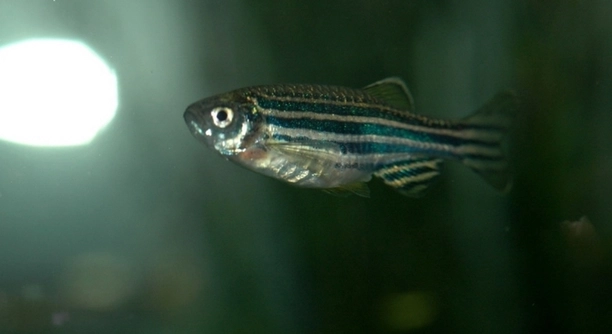
Is your zebra danio acting unusual right after mealtime, showing signs of heavy breathing that weren’t there before feeding? This behavior can be concerning, especially if it becomes a repeated pattern in your tank.
Zebra danios may breathe hard after feeding due to digestive stress, poor water quality, or low oxygen levels in the tank. Overfeeding, especially in tanks lacking sufficient filtration or aeration, can quickly worsen these conditions and affect fish health.
Recognizing these early signs can help prevent bigger issues later and ensure a healthier, stress-free environment for your zebra danio.
Common Reasons for Heavy Breathing After Feeding
Zebra danios can start breathing heavily after eating if there’s a problem with water quality, especially ammonia or nitrite spikes. Leftover food breaking down in the tank increases waste, which lowers oxygen levels and raises toxins. Overfeeding is another factor. It can stress their digestive system, making it harder for them to process food, especially if they eat too fast. Sometimes, uneaten food gets stuck in their gills, further contributing to labored breathing. Poor circulation or a lack of aeration in the tank can also make it difficult for them to get enough oxygen. In smaller or overcrowded tanks, this issue becomes more noticeable after feeding when waste levels spike. If tank parameters are not maintained, danios are more likely to show stress after meals. Heavy breathing should not be ignored, especially when it occurs frequently after feeding. Monitoring their behavior closely will help you respond before things get worse.
A stressful environment can make post-feeding reactions worse. Tank size, water temperature, and stocking levels all play a role in their behavior.
Always keep the tank clean and maintain proper filtration. Avoid feeding large amounts in one sitting. It’s better to offer smaller meals more frequently to help with digestion.
How to Improve Conditions and Support Recovery
Proper aeration is key. When oxygen is low, even healthy danios can become distressed after eating. Adding a bubbler or adjusting your filter output to increase surface agitation helps boost oxygen. Make sure to test the water regularly, especially after feeding. High ammonia or nitrite readings should be corrected right away with partial water changes and a good water conditioner. Keep an eye on tank temperature as well; warmer water holds less oxygen, which makes it harder for fish to breathe. Overfeeding should be avoided, especially if the tank is small or lightly filtered. Use a feeding ring or drop small amounts of food at a time to reduce waste. Also, watch your fish after feeding to make sure everyone’s behavior returns to normal. A zebra danio that recovers quickly is likely just reacting to a temporary issue, but if heavy breathing continues, further adjustments may be needed.
Adjusting Feeding Habits and Schedules
Feeding smaller portions twice a day can help reduce stress on your zebra danio’s digestive system. Large meals at once often lead to excess waste, which affects oxygen levels and water quality in smaller tanks.
Use high-quality, easy-to-digest food made for small tropical fish. Avoid feeding flake foods that dissolve quickly and pollute the water. Instead, try micro pellets or crushed flakes that are eaten faster and leave less behind. Remove any uneaten food after a few minutes. Feed only what your fish can eat in about 1–2 minutes. If you notice one fish eating more than others, try spreading the food across the surface to give everyone a chance. Consistency in timing also matters. Stick to feeding at the same times each day to keep stress low and digestion regular. Over time, this routine helps improve behavior and reduces post-feeding problems.
If your fish often breathes hard after feeding, consider offering fast-digesting food types, like daphnia or brine shrimp. These options are gentler on the digestive system. Varying their diet not only reduces stress but also promotes better nutrient absorption. Maintaining regular feeding habits supports long-term health and a calmer tank environment.
Monitoring Behavior and When to Take Action
A zebra danio breathing hard only once may not be alarming, but repeated episodes should not be overlooked. Watch how long the breathing lasts after each meal and if it’s followed by other signs of stress, like hiding or erratic swimming.
If the behavior continues, test the water parameters again even if everything looked fine earlier. Sometimes, issues arise quickly after feeding due to hidden waste buildup or unnoticed temperature shifts. Consider separating the fish for a short time in a hospital tank if symptoms persist. This helps you monitor it more closely and prevents potential stress from spreading to other fish. Also, review all tank maintenance routines—filter performance, aeration, and tank size. If the tank is stocked to its maximum capacity, consider upgrading or reducing the fish load. Ongoing post-feeding stress often signals that something in the setup or routine needs adjusting. Taking small steps early can prevent more serious issues later.
Environmental Factors That May Be Contributing
Poor water circulation can create low-oxygen zones in the tank, especially in corners or areas blocked by decorations. This can make it harder for your zebra danio to breathe comfortably after eating, even if the rest of the tank looks fine.
Lighting can also influence behavior. Sudden brightness or long light exposure may cause stress, especially after feeding. A calm, stable environment helps fish settle after meals. Avoid loud sounds or fast movements near the tank during and after feeding times.
Supporting Long-Term Health Through Maintenance
Regular maintenance helps keep conditions stable and reduces post-feeding issues. Perform partial water changes weekly to keep toxins under control. Clean the filter media gently to preserve beneficial bacteria while still improving flow. Monitor temperature daily, and make sure it stays consistent. If it fluctuates, your zebra danio may become more sensitive to feeding. Use a reliable heater and thermometer. Also, vacuum the substrate during water changes to remove waste buildup. Keep decorations and plants clean, but avoid removing everything at once to prevent stress. A clean, steady tank environment is one of the best ways to support long-term health.
Final Thoughts Before Making Changes
Observe your zebra danio closely after feeding and adjust one thing at a time. This makes it easier to spot what’s helping and what still needs work.
FAQ
Can overfeeding really cause breathing issues in zebra danios?
Yes, overfeeding is a common cause. When fish eat too much, the uneaten food starts breaking down in the water. This can lead to spikes in ammonia and lower oxygen levels. Zebra danios are active fish and need clean, well-oxygenated water. If the tank gets dirty quickly after feeding, their breathing can become labored. Large meals can also slow digestion and cause discomfort, making them appear stressed or restless. Feeding small amounts and removing leftovers within a couple of minutes helps keep conditions stable and prevents post-feeding breathing issues from developing.
How often should zebra danios be fed to avoid these problems?
Feeding your zebra danios once or twice a day in small portions is best. They have small stomachs and do not need large meals. Feeding more than they can eat in two minutes usually results in food waste and declining water quality. Sticking to a consistent schedule helps their digestion and reduces stress. You can skip one day per week to give their digestive systems a break. Keeping feeding times regular also helps you spot unusual behaviors early, like breathing changes, which may happen if something isn’t right in the tank after meals.
Is rapid breathing always a sign of illness?
Not always. While heavy or rapid breathing can be a symptom of illness, it’s often tied to environmental factors like water quality or oxygen levels. After feeding, if the tank becomes temporarily polluted or oxygen drops, zebra danios may breathe harder for a short time. If the behavior stops quickly and doesn’t repeat, illness is unlikely. However, if breathing remains fast or becomes more intense over time, it could mean a health issue. Infections, gill damage, or parasites can cause similar symptoms, so regular observation is important to spot any patterns or changes.
What should I check first when I notice hard breathing?
Start by checking water parameters—especially ammonia, nitrite, and oxygen levels. These are the most common causes of stress after feeding. Make sure your filter is working properly and that the tank isn’t overcrowded. Then, look at feeding habits. If too much food is being added, cut back immediately. Observe the fish’s behavior throughout the day, not just after meals. If everything looks normal before feeding and changes only afterward, the issue may be tied directly to digestion or waste buildup. Making one adjustment at a time can help you identify the exact cause.
Can poor tank design contribute to this problem?
Yes. Tanks with poor circulation or heavy decoration can have areas where water flow is restricted, which lowers oxygen availability in those spots. If your zebra danio feeds in one of these zones, it might start breathing harder. Make sure water flows evenly across the tank, including near the bottom where waste collects. Consider adding an air stone or adjusting the filter output to help. Also, avoid overcrowding. Too many fish in a small space will quickly reduce oxygen and increase waste after meals, making the tank uncomfortable and harder to manage.
Do live plants help reduce stress and improve breathing?
Yes, live plants can improve water quality and oxygen levels, especially during the day. They absorb waste and release oxygen through photosynthesis. This helps create a healthier tank environment, especially in smaller tanks. While they don’t replace proper filtration or water changes, they can support overall balance. Choose easy-care plants like anubias or java fern if you’re new to planted tanks. Keep in mind that at night, plants consume oxygen too, so maintaining good water flow is still important. Plants can also make the tank feel safer and more natural, helping reduce stress after feeding.
Is it safe to feed treats like bloodworms or brine shrimp?
Occasional treats are fine, but they should be fed in moderation. Protein-rich foods like bloodworms or brine shrimp can be harder to digest if overfed. These should not replace the main diet and should only be given once or twice a week in small amounts. Overfeeding treats often leads to bloating or water quality issues, especially in tanks with poor filtration. When feeding treats, watch your zebra danios carefully. If breathing becomes heavy afterward, it may be a sign the food was too rich or the portion too large for them to handle comfortably.
Final Thoughts
Breathing changes in zebra danios after feeding are often tied to simple causes like overfeeding, poor water quality, or low oxygen levels. These issues are common in many home aquariums and can usually be corrected with a few small adjustments. Paying attention to how much food your fish eat, keeping the tank clean, and making sure the filter is working properly are all basic steps that help prevent problems. Even small changes in the tank can affect how your fish behave, especially when it comes to breathing. If heavy breathing happens only after meals, it’s often not a serious health concern but something that needs monitoring.
Consistency is key when caring for zebra danios. Keeping a regular feeding schedule, doing weekly water changes, and testing the water often will help prevent stress and keep the fish active and healthy. A well-maintained tank allows your fish to recover quickly from minor issues, including short-term breathing problems after meals. Having a setup that supports good water movement, balanced temperature, and clean surfaces makes a big difference. If you spot signs like floating food, cloudy water, or sluggish behavior, it’s important to act quickly. These small signs can be the first warning that something needs attention.
Taking time to observe your zebra danios each day can help you learn what is normal for them. This makes it easier to catch changes early and respond in a way that supports their health. If heavy breathing continues or gets worse over time, it may be a sign of an underlying issue that needs more careful treatment. In that case, checking water conditions, reviewing feeding habits, and seeking help from an experienced fish keeper or aquatic vet may be necessary. Overall, staying consistent with care and making small adjustments when needed will go a long way in keeping your zebra danios comfortable, especially after feeding.

Hello,
If you enjoy the content that we create, please consider saying a "Thank You!" by leaving a tip.
Every little bit helps us continue crafting quality advice that supports the health, happiness, and well-being of pets around the world, for pets of all shapes, sizes, and species.
We really appreciate the kindness and support that you show us!