
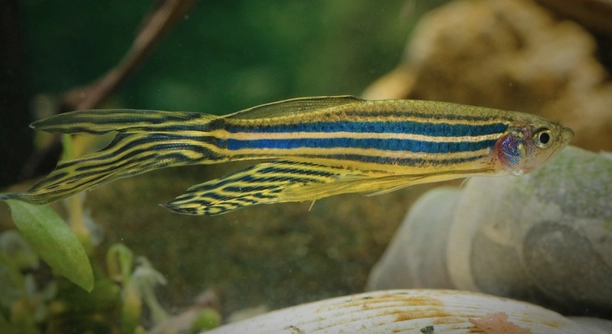
Moving a pet fish like a zebra danio can be a stressful experience, both for the fish and its owner. The process of settling in a new tank is crucial for their well-being. Here’s how to help them adjust.
To help zebra danios settle after a move, ensure a stable environment by adjusting water temperature, maintaining water quality, and reducing stress factors. Gradually introduce them to their new home to help them feel secure and comfortable.
By following these simple methods, your zebra danios will have the best chance at a smooth transition.
Setting Up the Tank for a Smooth Transition
When moving zebra danios to a new tank, it’s important to set up the environment properly before introducing them. Start by making sure the tank has been cleaned and the equipment, like filters and heaters, is functioning. Test the water parameters, such as pH, ammonia, nitrite, and nitrate levels, to make sure everything is within the appropriate range for zebra danios. A well-established tank that is free of toxins and has stable conditions will help reduce stress on the fish.
Prepare the new tank with plenty of hiding spots like plants or rocks. This will give your zebra danios a place to retreat when they need some privacy. A tank with more space and stimulation is less likely to cause them anxiety during their adjustment period. Proper lighting is also essential, so make sure it’s not too bright or too dim. Too much light can be overwhelming for new fish, and too little can cause stress from the lack of visual clarity.
A prepared tank sets the stage for a comfortable environment. Providing hiding spots and adjusting the lighting will help your zebra danios feel safe and at ease.
Temperature Adjustment
Water temperature plays a major role in how quickly zebra danios will adjust to their new environment. They thrive in temperatures between 72°F and 78°F (22°C – 25.5°C). To prevent temperature shock, make sure the water is at a stable and appropriate level. Avoid sudden temperature fluctuations by using a reliable aquarium heater and thermometer to keep the water consistent.
If you’ve recently moved your zebra danios, it’s best to acclimate them slowly. You can do this by placing the bag with the fish in the new tank and allowing the water to adjust gradually. Once the temperature matches, you can gently release the fish into the water. This slower approach helps minimize the shock of temperature differences.
Keep an eye on your zebra danios after the transition. Watch for signs of stress like rapid swimming, gasping at the surface, or hiding excessively. This will help ensure they’re comfortable in their new environment.
Maintaining Water Quality
Maintaining clean and stable water quality is essential for zebra danios to adjust after a move. Regularly monitor and change the water to avoid harmful toxins. Ensure your filter is working properly to help remove waste and keep the water clear.
Check ammonia, nitrite, and nitrate levels every few days to make sure they stay in a safe range. Even small fluctuations can cause stress or illness in zebra danios. Regular water changes—about 25% each week—will help keep the tank clean. Make sure to use a water conditioner to neutralize harmful chemicals, especially if you’re using tap water.
Adding live plants can also help improve water quality by absorbing excess nutrients and providing oxygen. It creates a more natural and balanced environment for your zebra danios. Avoid overfeeding, as uneaten food can pollute the water. Keeping a stable, clean tank will speed up their adjustment process.
Reducing Stress
Zebra danios can be easily stressed by sudden changes in their environment, such as noise, bright lights, or rapid movements. To help them settle in, keep the tank in a quiet, low-traffic area of the room. Minimize loud sounds and sudden movements around the tank.
Overcrowding the tank can also add to their stress. Make sure your tank has enough space for the number of fish. Zebra danios are active swimmers, so they need room to move around comfortably. Try not to introduce other fish too soon. Allow them time to get used to their new home before adding more tank mates.
Finally, avoid tapping on the glass or disturbing the fish too much. If zebra danios feel threatened or too much pressure is placed on them, they may hide, and the adjustment period will take longer. A calm environment is key to their successful transition.
Acclimating Gradually
To help zebra danios adjust after a move, gradually acclimate them to their new tank conditions. Place the fish in a bag or container and float it in the tank for 15-20 minutes. This helps equalize the water temperature and reduces the shock of entering a new environment.
After floating the bag, slowly add small amounts of tank water into the bag every few minutes. This process, known as “drip acclimation,” helps the fish adjust to changes in water parameters such as pH. Once the water in the bag matches the tank conditions, gently release the fish into the water.
This gradual method lowers the chances of stress and increases the chances of a smoother transition.
Feeding Carefully
During the first few days, avoid overfeeding zebra danios. They might not eat much as they’re getting used to the new environment. Offering small amounts of food at regular intervals is ideal. Watch how much they consume, and remove any uneaten food after a few minutes.
Overfeeding can lead to water quality issues and add stress to your fish. Keep portions small and monitor their eating habits closely. If they’re still adjusting, try feeding them light meals, such as high-quality flakes or live food, until they start to feel more comfortable.
Make sure not to introduce too many foods at once. Gradually reintroduce their regular diet once they’re acclimated.
Monitoring Behavior
It’s important to monitor your zebra danios’ behavior after they’ve moved. If they’re hiding more than usual, it might be a sign they’re feeling stressed. However, some hiding is normal as they adjust to their new surroundings. Keep an eye out for signs of illness or unusual behavior.
Zebra danios are generally active and social fish, so a sudden lack of movement or appetite could indicate stress or poor water quality. Watch for signs like faded colors or clamped fins, which could be a signal that something is wrong.
Take immediate action if you notice any abnormal behavior, such as checking the water parameters or making necessary adjustments to their environment.
FAQ
How long does it take for zebra danios to adjust to a new tank?
The time it takes for zebra danios to adjust can vary depending on factors like water quality, tank setup, and the level of stress they experience. Typically, zebra danios will take anywhere from a few days to a week to fully acclimate to their new environment. If the transition is smooth, they may begin swimming and eating normally within a few days. However, if there’s any disturbance or if the water conditions aren’t ideal, it may take them longer to settle in. The key is to maintain a stable and calm environment to ease their transition.
What are the signs that my zebra danios are stressed?
Zebra danios show several signs of stress that you can watch for. Some of the common indicators include hiding more than usual, loss of appetite, rapid gill movement, or darting around the tank. They may also appear to be gasping for air at the surface or swim in erratic patterns. If you notice these signs, it may be a signal that they are uncomfortable with their new environment. Other physical signs like faded colors or clamped fins can also indicate stress. Monitoring water quality and ensuring they have plenty of hiding spots can help reduce stress.
Can I introduce other fish right after moving my zebra danios?
It’s best to wait before introducing other fish into the tank after your zebra danios have moved. Give them a few days to get used to their new surroundings before adding any new tank mates. Introducing other fish too soon can increase stress and complicate the adjustment process. Zebra danios can be territorial and may not react well to sudden changes in their environment, especially if they still haven’t fully adjusted to their new home. Once they are settled in and behaving normally, you can start considering adding compatible species.
Do zebra danios need to be in groups?
Yes, zebra danios are social fish and thrive in groups. Keeping them in a school of at least five to six individuals helps them feel secure and reduces stress. In the wild, zebra danios live in large schools, which is why they feel more comfortable and behave more naturally when kept in groups. If kept alone, they may become shy, stressed, or less active. A small group allows them to exhibit their natural behaviors, like swimming together and interacting, which is essential for their well-being.
How often should I feed zebra danios?
Zebra danios should be fed small amounts two to three times a day. It’s important to feed them only what they can consume in about 2-3 minutes to prevent overfeeding, which can lead to water quality issues. A balanced diet of high-quality flakes, live food, or frozen food is ideal. If your zebra danios are newly moved, they may not eat immediately. Be patient and avoid offering too much food, as they may take a few days to adjust and start feeding again.
What temperature should the water be for zebra danios?
Zebra danios prefer water temperatures between 72°F and 78°F (22°C to 25.5°C). It’s important to keep the water within this range to ensure they stay healthy and comfortable. If the temperature is too low, they may become lethargic, and if it’s too high, they could become stressed. A stable temperature is key—avoid sudden temperature fluctuations, as they can cause shock. Using an aquarium heater and thermometer will help maintain the proper temperature.
What should I do if my zebra danios aren’t eating?
If your zebra danios aren’t eating after a move, don’t panic. It’s common for fish to be a bit off their food initially due to stress or changes in the environment. Make sure the water quality is optimal and the temperature is within the correct range. Give them a little time to adjust, but try offering a variety of foods to see what they prefer. If they continue to refuse food after a few days, check for signs of illness and consider consulting an aquarium expert or veterinarian if necessary.
Can zebra danios survive in tap water?
Zebra danios can survive in tap water, but it’s important to treat the water first. Tap water often contains chlorine, chloramine, and other chemicals that can be harmful to fish. Use a water conditioner to neutralize these substances before introducing zebra danios to the tank. Additionally, check the water’s pH, hardness, and other parameters to make sure they fall within the appropriate range for zebra danios. Regular water changes and monitoring will help keep the water in good condition for them.
Should I use a filter in the tank?
Yes, using a filter in the tank is crucial for maintaining clean water and healthy zebra danios. A filter helps remove waste, debris, and toxins from the water, creating a more stable and less stressful environment for your fish. It also promotes oxygenation, which is important for fish health. Choose a filter with adjustable flow, as zebra danios prefer a gentle current. Make sure to clean the filter regularly to avoid clogs and ensure it is functioning properly.
What other fish are compatible with zebra danios?
Zebra danios are peaceful and can coexist with many other species. They do well with other small, non-aggressive fish, such as tetras, guppies, and small barbs. Avoid keeping them with overly aggressive or large fish that may intimidate or harm them. Zebra danios are active and social, so they also appreciate being kept with other similarly energetic fish. When selecting tank mates, make sure the other fish prefer similar water conditions and temperatures.
Final Thoughts
Moving zebra danios can be a stressful experience for both the fish and the owner, but with the right approach, you can help ease the transition. Ensuring the water conditions are stable and the tank environment is well-prepared is key to helping them settle in quickly. Taking the time to acclimate them slowly to their new home, monitoring water quality, and minimizing stress factors will make a big difference in how comfortably they adjust.
Remember, zebra danios are social fish that thrive in groups, so having a few in the tank will help them feel more secure. They may need a little time to get used to the new surroundings, and some signs of stress, like hiding or reduced appetite, are normal during the adjustment period. It’s important to remain patient and avoid overfeeding or making sudden changes to their environment. A calm and stable setting will promote quicker recovery and help them regain their natural behavior.
If you notice any signs of illness or prolonged stress, it’s important to address the issue right away. This could mean checking the water parameters, adjusting the temperature, or giving them extra time to adjust. Ultimately, the more care and attention you give to creating a stable environment for your zebra danios, the smoother their transition will be. Once they feel secure in their new home, they will quickly get back to their energetic and social selves, ready to enjoy their new tank.

Hello,
If you enjoy the content that we create, please consider saying a "Thank You!" by leaving a tip.
Every little bit helps us continue crafting quality advice that supports the health, happiness, and well-being of pets around the world, for pets of all shapes, sizes, and species.
We really appreciate the kindness and support that you show us!