
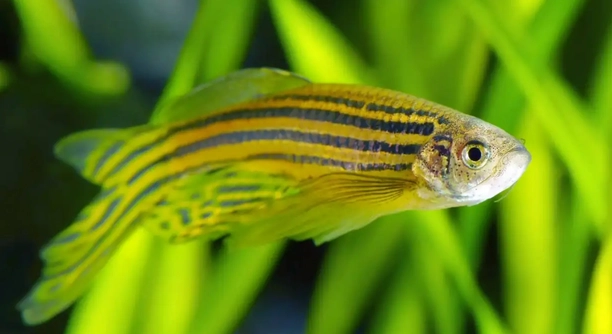
Is your zebra danio swimming less or staying near the bottom of the tank more often than usual, especially during cooler months?
Zebra danios become sluggish and may show signs of stress when water temperatures drop below 64°F (18°C). Prolonged exposure to cold water can weaken their immune system, leading to illness and reduced activity levels.
Understanding how cold affects zebra danios helps you take better care of them and prevent long-term health problems.
Signs Your Zebra Danio Might Be Too Cold
When zebra danios are too cold, their behavior and appearance start to change. They may stop swimming around actively and instead stay near the bottom or hover in one spot for long periods. Their colors might look duller than usual, and their appetite can drop off. You may also notice that they don’t respond quickly to food or movement outside the tank. Cold temperatures slow their metabolism, making them more prone to illness. If the tank water drops too low, it can create a stressful environment, which weakens their immune system and makes it harder for them to fight off infections. In the long run, this can affect their lifespan and overall quality of life. Monitoring their behavior regularly and watching for any sudden shifts can help you catch signs of cold stress early. Small changes in how they swim, eat, or interact are often the first indicators something is wrong.
Cold water makes them sluggish and more likely to hide. They may also stop eating and become less social with other fish.
A healthy zebra danio is constantly moving, interacting, and feeding. If yours seems quiet or inactive, the temperature may be too low. Danios are tropical fish and need consistent warmth to stay active and thrive. When the tank water gets colder than they prefer, their metabolism slows down. They may start skipping meals or losing interest in exploring their environment. This can sometimes be mistaken for regular behavior changes, but if it happens during colder weather or after a water change, temperature is often the cause. Make sure your thermometer is accurate and placed in a good spot in the tank. If you notice more than one zebra danio acting this way, it’s a sign to check the water conditions right away. Keeping an eye on subtle changes helps protect them from cold-related health problems and ensures a safe, steady environment for your fish.
How to Keep the Water Warm
Zebra danios do best when water stays between 72°F and 78°F. Using a heater and thermometer helps keep the tank temperature steady.
A small aquarium heater is usually enough to maintain the proper temperature for zebra danios, especially during colder months. Look for a heater that matches the size of your tank and place it near the filter for even heat distribution. Always use an aquarium-safe thermometer to monitor the water temperature daily. It’s helpful to keep the tank away from windows or drafty areas, as outside air can quickly cool the water. During winter or in air-conditioned homes, the tank may lose heat faster. Some aquarium hoods come with built-in lights that also help warm the water slightly. Just make sure the lighting doesn’t cause the temperature to spike. If you’re using a smaller tank, consider insulating the outside with foam or a tank cover to keep the warmth in. Stable water temperature helps your zebra danios stay active, healthy, and stress-free.
What Happens if the Water Stays Too Cold
If the water stays too cold for too long, zebra danios can develop health issues like fin rot, weakened immune systems, and digestive problems. Cold water slows their body functions, making it harder for them to recover from stress or fight off common illnesses.
Prolonged exposure to cold water affects their ability to eat and digest properly. Their metabolism slows, so food stays in their system longer, increasing the risk of constipation and internal infections. You might notice bloating or loss of appetite. Cold-stressed fish also become more vulnerable to bacterial infections. Their immune response weakens, making them easy targets for diseases like ich or fungal growth. Over time, their lifespan shortens, and their overall quality of life drops. These issues build up quietly, so it’s important to react quickly if you suspect the temperature is too low. Acting early helps prevent long-term damage to their health.
Zebra danios are social and rely on group interactions. When they’re too cold, they become inactive and isolate themselves. This affects the entire tank dynamic and can lead to stress in the group. Stressed fish may begin nipping or chasing each other out of frustration or confusion. That tension can cause fin damage or injury over time. You might also see more aggression or unusual behavior. Fish that are usually peaceful can become unpredictable in colder environments. Keeping the water warm and consistent helps maintain a calm, balanced group. It also allows them to behave naturally and avoid the stress that often leads to fighting or illness.
What You Can Do Right Away
Check the temperature using a reliable aquarium thermometer placed near the center of the tank. If it’s under 72°F, slowly raise the temperature using an adjustable heater. Sudden changes can be harmful, so take it one degree at a time.
If your zebra danios seem cold, make sure the heater is working and correctly set. Sometimes, heaters stop functioning without warning. Double-check that it’s rated for your tank size. Move the tank away from cold drafts, air vents, or windows. If you recently did a water change, check that the replacement water wasn’t too cold. You can warm the room slightly or cover the tank at night to help maintain the temperature. Avoid using hot water directly in the tank, as this can shock the fish. Keep an eye on them throughout the day. If their behavior improves as the temperature rises, you’re likely on the right track.
Other Factors That Can Make Them Feel Cold
Poor water circulation can cause uneven temperatures in the tank. If the heater is only warming one area, fish may still feel cold in other parts. A small internal filter can help keep heat evenly spread.
Lights being off for too long can also cool the tank down. Without regular lighting, especially in cooler rooms, heat loss happens faster. Keeping lights on for part of the day adds warmth and helps maintain a stable environment.
Best Temperature Range for Zebra Danios
Zebra danios do best in water temperatures between 72°F and 78°F. Staying in this range supports their immune system, digestion, and natural behavior. If the temperature drops below 70°F for long periods, they can become sluggish or ill. Consistency is important—sudden swings in temperature stress them out. Use a good quality aquarium heater with an accurate thermometer. Check both regularly, even in warm seasons. Heaters can wear out over time, and ambient room temperatures can shift. Keep the tank in a quiet spot, away from windows, doors, or fans. These simple steps make it easier to maintain a safe, warm home for your zebra danios.
How to Know Things Are Back to Normal
Your zebra danios will start swimming actively again, eat regularly, and show brighter colors. They’ll move around the tank in groups and explore like they normally do. This behavior means the temperature is working well for them.
FAQ
Can zebra danios survive in cold water?
Zebra danios are hardy fish and can survive in slightly cooler water for short periods, but they don’t thrive in it. Cold water slows their metabolism, weakens their immune system, and increases the risk of disease. While they may not die right away, keeping them in water below 70°F for too long can cause health issues and lower their lifespan. It’s always best to provide them with a stable, warm environment to keep them active and healthy. Long-term exposure to cold conditions leads to stress, which often brings on illness and unusual behavior.
How can I tell if the tank is too cold without a thermometer?
You can look for behavior changes. If your zebra danios are staying at the bottom of the tank, not moving much, avoiding food, or acting more isolated, the water may be too cold. A noticeable drop in activity is one of the clearest signs. You might also see duller colors or more hiding than usual. These signs suggest they are uncomfortable. Even if you don’t have a thermometer right away, these clues can help you know something’s off. Still, a thermometer is one of the most helpful tools you can keep in your tank setup.
Can I use room heaters instead of an aquarium heater?
Room heaters may slightly warm the space around the tank, but they aren’t a reliable way to keep aquarium water at a consistent temperature. The heat they give off doesn’t directly affect the water enough, especially during cold nights or temperature drops. Aquarium heaters are made to heat water safely and steadily. They allow you to set a specific range and maintain it. Without one, your tank is more likely to experience daily temperature swings. These ups and downs can be hard on zebra danios. It’s always better to use equipment designed for aquariums.
How fast should I raise the temperature if it’s too low?
Raising the temperature too quickly can be just as stressful as leaving it too cold. A safe way is to increase the temperature by 1–2°F every few hours until you reach the ideal range. Go slow, and watch your fish as you adjust. If they show signs of stress like fast breathing or rapid swimming, pause before continuing. Gradual changes help your fish adapt without shock. Also, make sure the water around the heater doesn’t get too hot too fast. Balanced heat throughout the tank is important, especially if you have other fish or delicate plants.
Will cold water affect breeding behavior in zebra danios?
Yes, it will. Zebra danios are more likely to breed when they are comfortable, active, and warm. Cold water lowers their activity levels and slows down their reproductive cycles. Males may stop showing interest, and females may not produce eggs regularly. If you’re trying to breed them, maintaining a stable temperature around 76°F to 78°F helps stimulate natural behavior. Warmer water also keeps their energy levels up, which is important during the breeding process. Cold conditions, on the other hand, can stop the process completely or lead to poor egg development and low hatch rates.
Is it okay if the temperature changes during water changes?
Small changes of 1–2°F usually aren’t harmful, but bigger shifts can stress your zebra danios. Always try to match the temperature of the new water to the tank water as closely as possible. You can use a separate thermometer to check the new water before adding it. Sudden changes during water changes may shock the fish, making them more vulnerable to illness. After a water change, keep an eye on their behavior for the next few hours. If they seem unusually still or panicked, test the temperature again. Staying consistent is key to keeping them calm and healthy.
Final Thoughts
Taking care of zebra danios means paying attention to their needs, especially the water temperature. These small, active fish come from warmer waters, so they need a steady and warm environment to stay healthy. Cold water slows them down, affects their digestion, and makes them more likely to get sick. Even though they are hardy fish, they still need the right conditions to thrive. Watching how they swim, eat, and behave each day can help you notice if something is off. A simple check of the thermometer can tell you a lot about what’s going on in their tank.
Keeping the water between 72°F and 78°F is one of the best ways to prevent health problems in zebra danios. A good aquarium heater and a reliable thermometer make this easy to manage. It’s also helpful to avoid sudden temperature changes. These fish respond better to slow, steady adjustments. If the tank is placed in a spot that’s too cold or drafty, it can lead to daily drops in water temperature, which creates stress for them. You don’t need a lot of special equipment—just the basics used consistently. This creates a more stable and safe home for your fish.
In the end, zebra danios are peaceful, active fish that can live a long time if cared for properly. They are fun to watch and often swim in small groups, showing bright colors and fast movement. But when they are too cold, all of this changes. They stay still, avoid food, and may become sick more easily. These small changes are easy to miss, but they matter. Taking time to check the tank’s temperature regularly, especially during cold seasons or after a water change, helps prevent problems. With a little care and attention, you can make sure your zebra danios stay comfortable, healthy, and active for years to come.

Hello,
If you enjoy the content that we create, please consider saying a "Thank You!" by leaving a tip.
Every little bit helps us continue crafting quality advice that supports the health, happiness, and well-being of pets around the world, for pets of all shapes, sizes, and species.
We really appreciate the kindness and support that you show us!