
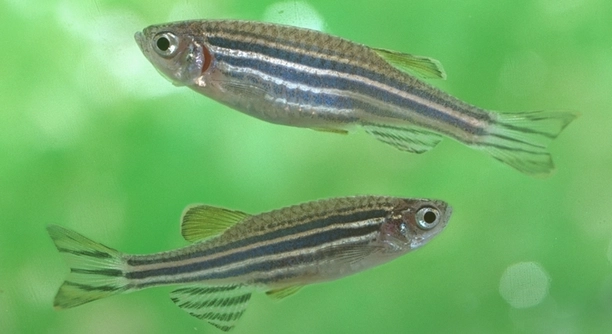
Have you ever noticed your zebra danio swimming in a strange way and wondered if something might be wrong? This behavior can be surprising, especially if it appears out of nowhere during regular tank activity.
Zebra danios sometimes swim tail first due to swim bladder issues, neurological conditions, or stress-induced disorientation. These factors affect their buoyancy or muscle coordination, leading to unusual swimming patterns that are often temporary but can indicate an underlying health concern.
Understanding this behavior helps you respond appropriately and ensure your fish’s comfort. Let’s explore the main causes and how to support their health in these situations.
What Causes Tail-First Swimming in Zebra Danios
Tail-first swimming can happen when a zebra danio experiences an issue with its swim bladder. This organ helps the fish control its buoyancy and stay balanced in the water. When the bladder becomes inflamed, compressed, or displaced, the fish may lose control over its movements. In some cases, a neurological problem or a sudden fright can also lead to this behavior. These fish are naturally active and fast, so if something affects their ability to swim properly, it shows right away. Environmental stress like poor water quality, abrupt temperature changes, or bullying from tankmates can also be contributing factors. It’s important to monitor their surroundings and make sure everything is stable. When this kind of swimming shows up unexpectedly, checking the tank’s temperature, pH level, and ammonia content is a helpful first step. Keeping the tank clean and the water conditions stable can prevent a lot of issues.
This behavior can also be triggered by internal parasites or constipation, both of which disrupt normal swimming.
Providing a well-balanced diet and giving the fish enough space to swim freely are good ways to support their physical stability and movement. If the swimming does not improve, isolating the fish and consulting an aquatic vet might be necessary.
What You Can Do About It
Observing your danio carefully will help you determine if the behavior is mild or becoming more frequent.
Try not to rush into treatments or drastic changes. Begin by testing the water parameters and making sure the filter is functioning properly. Offer food that’s easy to digest, like skinned peas, which can sometimes ease digestive stress. If your danio is showing signs of bloating or floating near the surface, reduce feeding for a day and increase aeration in the tank. Make sure the tank is quiet and free of unnecessary stress, especially if there’s been any recent movement or change in tankmates. If you see more symptoms like swimming in circles, floating upside down, or swelling, you may want to isolate the fish to keep an eye on it more closely. Always research any treatment you choose and follow dosage instructions carefully if using medication.
Being aware of these patterns helps you act early, keeping your fish healthy and your tank calm.
How Diet and Digestion Affect Swimming
Constipation is a common cause of odd swimming in zebra danios. It often happens when they eat too much or consume low-fiber food. This can put pressure on the swim bladder and affect their movement.
Feeding your zebra danios a balanced diet helps reduce digestive issues that may affect how they swim. Flake food is easy and convenient, but it should be rotated with options like live or frozen daphnia, bloodworms, or shelled peas. These offer different textures and fiber content, helping regulate digestion. Overfeeding is another concern, especially in community tanks where food might seem to disappear quickly. Offer small amounts twice a day and watch to see what gets eaten within a couple of minutes. If they are eating too much too fast, consider using a feeding ring to keep the portions contained. A thoughtful feeding routine can lower the chance of constipation-related swimming issues.
If your fish shows signs of bloating or sluggish swimming, try skipping one feeding and offering a tiny piece of a blanched, skinned pea the next day. The fiber in peas can help move things along in the digestive system. This is a simple step that can sometimes resolve mild constipation without needing medication or isolation.
When to Be Concerned About Tail-First Swimming
If your danio is consistently swimming tail first for more than a day and also seems less active, it’s time to look closer. Sudden changes in swimming behavior can be an early sign of illness or tank stress.
Watch for signs like labored breathing, frequent hiding, or a clamped tail, which may suggest infection or poor water conditions. If the behavior happens after a water change or filter maintenance, double-check for a sudden temperature drop or water imbalance. Long-term tail-first swimming could also point to swim bladder disease or internal parasites. In this case, isolating the fish in a separate tank can reduce stress and allow for gentle treatment if needed. Keep the quarantine tank quiet and clean, with stable temperature and soft lighting. Medication should only be used when symptoms are clear and other causes have been ruled out. Acting early often prevents more serious health problems.
How Tank Conditions Can Influence Behavior
Dirty or unstable water can make zebra danios feel stressed or sick, which may lead to strange swimming like moving tail first. Consistent cleaning and proper filtration can help avoid this kind of behavior.
Sudden temperature drops or high ammonia levels can upset their natural balance. Check all parameters weekly to stay ahead of problems.
The Role of Stress in Swimming Changes
Stress plays a big role in how zebra danios behave. Crowded tanks, aggressive tankmates, or constant movement around the aquarium can unsettle them. A stressed fish may act out of the ordinary, including swimming backwards or darting quickly. Danios are active but do best when they feel safe and comfortable. Avoid sudden tank rearrangements and always acclimate them slowly during water changes. If the tank is near a loud TV or a door with heavy foot traffic, consider a quieter spot. Adding plants or decorations gives them shelter, helping reduce stress and allowing them to retreat when they need space.
What to Monitor Moving Forward
Watch your danio’s swimming closely for any ongoing changes. Subtle behavior shifts can often point to something fixable before it becomes serious.
FAQ
Why is my zebra danio swimming tail first?
Zebra danios may swim tail first due to swim bladder issues, digestive problems, or stress. The swim bladder helps them maintain buoyancy, and any disruption to this organ can cause swimming difficulties. Issues like constipation or overfeeding can put pressure on the swim bladder, making it hard for them to control their movements. Stress from sudden changes in the tank environment, such as water temperature or the presence of aggressive tankmates, can also lead to this abnormal swimming behavior. In some cases, tail-first swimming is temporary and resolves once the underlying issue is addressed.
How can I tell if my zebra danio is stressed?
Signs of stress in zebra danios include unusual swimming patterns, such as erratic movements or staying at the bottom of the tank. They may also hide more frequently, clamp their fins, or appear lethargic. Stress can be caused by water quality issues, overcrowding, or incompatible tankmates. Monitoring the water parameters, offering enough space, and providing shelter or plants can help alleviate stress. If you notice changes in behavior or physical signs like fading color or rapid gill movement, it’s a good idea to check the tank’s conditions and address any potential sources of stress.
How can I treat constipation in my zebra danio?
If your zebra danio is swimming abnormally and appears bloated, constipation might be the cause. To treat this, try offering a small piece of blanched, skinned pea, which is known to help with digestion. You can also fast your fish for a day or two to help clear out any excess food. Ensure you are not overfeeding, as this can contribute to constipation. A varied diet that includes live or frozen food, along with flake food, helps maintain regular digestion. Always remove any uneaten food promptly to avoid water contamination.
Should I be concerned if my zebra danio keeps swimming upside down?
Swimming upside down is a clear sign that something is wrong with your zebra danio. It’s often associated with a more serious issue like swim bladder disease or a severe case of constipation. If the behavior persists for more than a day, isolate the fish to reduce stress and consult a vet. In some cases, swim bladder disease can be caused by injury or an infection, which may require medication. If the water quality is poor, improve the filtration and conduct a partial water change to see if the fish improves.
Can zebra danios recover from tail-first swimming?
Yes, zebra danios can recover from tail-first swimming if the underlying cause is addressed. If the behavior is related to swim bladder issues, constipation, or stress, making the necessary changes to their environment, diet, or tankmates can help them return to normal. In cases of swim bladder disease, medication may be needed to treat the problem. It’s essential to monitor the fish closely and act quickly when the behavior is first noticed. Recovery can be fast if the issue is identified early and the proper actions are taken.
How can I prevent tail-first swimming in the future?
To prevent tail-first swimming, maintain consistent water quality by testing the water regularly and ensuring proper filtration. Avoid overfeeding and provide a balanced diet with plenty of fiber to support digestion. Make sure the tank is not overcrowded and that the fish have enough space to swim comfortably. Stress can also be a factor, so try to create a peaceful environment with appropriate tankmates and minimal disturbances. Keeping the tank clean, stable, and stress-free will help reduce the risk of swim bladder issues and abnormal swimming behavior.
Can swim bladder issues be treated with medication?
In some cases, swim bladder issues can be treated with medication, but only if they are caused by bacterial infections or parasites. If you suspect a swim bladder problem, isolate the fish and observe its behavior to rule out other causes like constipation or injury. Medications designed for swim bladder disease are available at pet stores or online, but they should only be used after a proper diagnosis. If the issue persists, seeking advice from an aquatic vet is recommended.
How do I test my water to ensure it’s safe for zebra danios?
To ensure your zebra danios are in a safe environment, regularly test the water for ammonia, nitrite, nitrate, pH, and temperature. You can purchase an aquarium test kit to check these parameters. Ammonia and nitrite should be at zero, while nitrate levels should be kept below 20 ppm. The pH should fall between 6.5 and 7.5 for zebra danios, and the temperature should remain between 65–75°F. Any imbalances in these factors can cause stress or health issues for your fish, including abnormal swimming behaviors like swimming tail first.
How often should I change the water in my zebra danio tank?
Water changes are essential for keeping your zebra danios healthy. It’s recommended to perform a partial water change of about 25% every two weeks. In tanks with high fish populations or if you notice an increase in waste buildup, more frequent changes may be necessary. Always use a water conditioner to remove chlorine or chloramine from tap water and match the temperature to the tank’s water to avoid shocking the fish. Regular water changes help maintain stable water parameters and reduce the risk of swim bladder issues or other health problems.
Is it normal for zebra danios to swim in circles?
Swimming in circles is not typical for zebra danios and can indicate a health problem. This behavior is often linked to stress, illness, or an issue with the swim bladder. If a fish starts swimming in circles, it may also be showing signs of neurological issues, parasites, or a bacterial infection. To address this, check the water quality and tank conditions. If the behavior persists, isolating the fish and providing appropriate treatment or consulting with an aquatic vet is necessary.
Final Thoughts
Zebra danios are lively and active fish that can bring a lot of joy to any aquarium. However, like all living creatures, they can experience health issues that affect their behavior. When zebra danios swim tail-first, it’s important to address the cause quickly to ensure their well-being. The most common reasons for this behavior include swim bladder problems, stress, or digestive issues like constipation. Fortunately, most of these problems can be resolved with the right care and attention. By keeping a close eye on your danio’s behavior and making adjustments to their tank conditions, diet, and overall care, you can help them stay healthy and happy.
Maintaining a stable and clean environment is essential for preventing problems like tail-first swimming. Regular water changes, proper filtration, and consistent monitoring of water parameters like temperature, ammonia, and nitrate levels will help ensure that your zebra danios thrive. Additionally, providing a varied and balanced diet can prevent digestive issues that may lead to constipation, one of the common causes of abnormal swimming behavior. Offering them enough space to swim and keeping the tank free from overcrowding will also reduce stress, another factor that can lead to abnormal behavior. Remember, a well-maintained tank is the foundation of a healthy aquarium.
If your zebra danio continues to swim tail-first despite addressing potential stressors, digestive issues, and water quality concerns, it may be time to consult with an aquatic vet. While many of these issues can be resolved with simple adjustments, some cases may require professional advice or treatment. By acting quickly and being proactive in caring for your zebra danios, you can help them recover and prevent future issues. Taking the time to understand your fish’s behavior and needs will go a long way in keeping them healthy, vibrant, and swimming happily in their tank.

Hello,
If you enjoy the content that we create, please consider saying a "Thank You!" by leaving a tip.
Every little bit helps us continue crafting quality advice that supports the health, happiness, and well-being of pets around the world, for pets of all shapes, sizes, and species.
We really appreciate the kindness and support that you show us!