
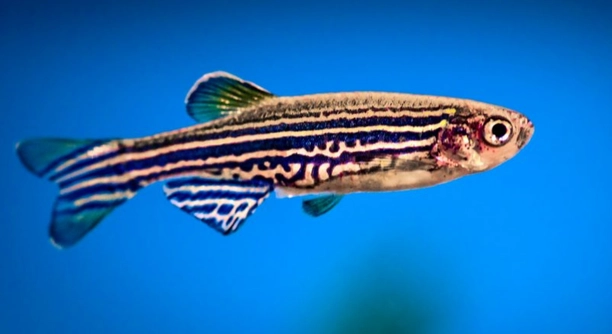
Are your zebra danios missing out on the nutrition they need because of outdated feeding methods or poorly chosen tools? Feeding these active fish properly can make a big difference in their health and behavior.
Several feeding tools can significantly enhance zebra danio nutrition by improving food delivery, reducing waste, and ensuring a balanced intake. These include automatic feeders, floating rings, and sinking pellets that cater to their fast and active feeding habits.
Each tool has a unique purpose that supports a healthier diet and feeding routine. Understanding how they work can help you create a more consistent and effective feeding strategy for your zebra danios.
Floating Feeding Rings
Floating feeding rings help keep food in one spot rather than letting it spread across the tank. This is especially useful with zebra danios since they are fast swimmers and tend to scatter food during feeding time. When the food stays in one place, it becomes easier for them to eat more evenly and reduces the amount of waste that sinks and spoils the water. These rings are simple to use and fit most standard tanks. They also make it easier to monitor how much food is being eaten, which can help prevent overfeeding or underfeeding.
This tool is ideal for flake and floating pellet food.
Floating rings support better nutrition by keeping food accessible and concentrated in one area. Instead of chasing bits around the tank, zebra danios can focus on feeding, which can lead to better food intake and healthier fish. It also helps you keep the water cleaner by minimizing scattered leftovers. Most floating rings are adjustable and can be anchored to prevent drifting, making them a convenient solution for consistent feeding. They’re inexpensive and long-lasting, so they’re a smart addition to your aquarium setup if you’re aiming for a cleaner tank and a more efficient feeding routine for your zebra danios.
Sinking Pellets
Sinking pellets help ensure bottom feeders and slower eaters in a community tank aren’t left out. Zebra danios also peck at them once they drop.
Sinking pellets are dense and formulated to gradually drop to the bottom, giving fish that feed mid-water or near the base a reliable food source. Even though zebra danios are primarily top feeders, they often chase food as it sinks, making pellets a good option for variety in their diet. Many high-quality sinking pellets include essential nutrients like proteins, fiber, and vitamins, offering a balanced mix that promotes color, energy, and overall health. These pellets also break down more slowly than flakes, which can help maintain water clarity when used correctly. It’s important to monitor how much is being eaten to avoid overfeeding. Too much uneaten food can pollute the water and reduce its quality. Feeding small portions and observing how your zebra danios respond is key to making the most of this tool.
Automatic Feeders
Automatic feeders help create a consistent feeding schedule, even when you’re not home. They release pre-set portions of food at scheduled times, which can reduce overfeeding and improve your zebra danios’ eating habits over time.
These feeders are especially useful if you travel or work long hours. Many models let you adjust portion size and timing, so you can fine-tune the settings based on your zebra danios’ needs. Consistency in feeding is important for their digestion and activity levels. Automatic feeders also reduce the risk of human error, such as forgetting a feeding or accidentally giving too much. They work well with dry foods like flakes or pellets, and some advanced models even offer multiple compartments for different types. Just be sure to clean and check the feeder regularly to avoid moisture buildup or clogs that might disrupt feeding.
For tanks with multiple fish or mixed species, automatic feeders help maintain harmony by reducing competition at feeding time. Zebra danios are fast and competitive eaters, but having food dispensed evenly ensures everyone gets a fair share. Automatic feeders also help support stable tank conditions by avoiding excess food, which can raise ammonia levels. When paired with floating rings or sinking pellets, these devices round out a convenient and balanced approach to fish nutrition.
Feeding Tongs
Feeding tongs are helpful when offering specific foods like bloodworms or brine shrimp. They let you control where the food goes, making sure zebra danios get their share without too much waste floating around or sinking untouched.
Tongs are especially handy when you’re feeding smaller portions or trying to target certain fish. Zebra danios can be quick and nippy, so placing food right where they are helps avoid overfeeding and keeps the tank cleaner. These tools also work well when you’re introducing new foods or supplements. You can ease your fish into unfamiliar textures without making a mess. Stainless steel or plastic tongs are common, and both are easy to clean. Feeding tongs give you more control over feeding behavior and can help encourage more confident eating from shy fish in mixed-species tanks. With zebra danios, precision makes it easier to ensure each one gets what it needs.
Feeding Dishes
Feeding dishes help keep certain foods, like gel-based diets or frozen cubes, contained in one spot. This makes cleanup easier and prevents leftovers from spreading through the tank. Zebra danios can easily access the food without chasing it around.
Using a dish also helps monitor how much is being eaten. You’ll notice quickly if something is off with their appetite. It’s a simple tool, but it encourages cleaner feeding and supports better tank maintenance, especially when feeding more than one type of food at a time.
Feeding Cones
Feeding cones are designed to hold live or frozen food in place, such as bloodworms or tubifex worms. Zebra danios enjoy pecking at the food through the holes in the cone. It slows down feeding, keeping the fish more engaged and active. These cones help reduce mess and food waste.
Pipettes
Pipettes let you target feed specific fish or distribute food evenly across the tank. They’re especially useful for liquid supplements or small food portions. Zebra danios respond well when food is directed their way instead of scattered randomly.
FAQ
How often should I feed my zebra danios?
Zebra danios should be fed once or twice a day. Stick to small portions they can finish within two minutes. Overfeeding can cause water problems and harm their health. If you’re using multiple feeding tools, make sure to adjust portions accordingly. Feeding smaller amounts more often is better than large amounts once a day. If you’re away, automatic feeders can help maintain consistency without overfeeding. Watch their behavior after feeding to ensure they’re satisfied but not bloated. This routine helps maintain energy and reduces digestive issues.
Can I use more than one feeding tool at a time?
Yes, combining tools can make feeding more effective. For example, floating rings work well with automatic feeders to keep food in one spot. You can also use feeding tongs or pipettes to offer extra food directly if needed. If you’re feeding both dry and live food, using a cone for live food and a ring for flakes can help keep the tank cleaner. Just make sure you’re not offering too much at once. Monitor how your zebra danios eat and adjust your routine to avoid uneaten leftovers.
What type of food works best with feeding tools?
Flakes and pellets are the most compatible with floating rings and automatic feeders. Live or frozen food like bloodworms can be used with feeding cones or tongs. Pipettes work well for liquid or finely crushed food. Feeding dishes are good for gel foods or frozen cubes. Choosing the right tool depends on the food type and feeding habits of your fish. The goal is to keep food in place, reduce waste, and ensure all fish have a fair chance to eat. Matching the food with the proper tool keeps things simple and effective.
Do zebra danios need a varied diet?
Yes, variety helps keep zebra danios healthy and active. A mix of flakes, pellets, live, and frozen food ensures they get all the nutrients they need. Changing the food occasionally keeps them interested and supports balanced growth. You don’t have to switch every day, but offering different foods throughout the week is a good idea. Feeding tools help with this by keeping different food types controlled. A varied diet also supports color, energy, and a stronger immune system. Just remember to keep portions small and avoid overfeeding.
Are feeding tools safe to use in all aquariums?
Most feeding tools are safe for standard glass or acrylic tanks. Just make sure to rinse them before use and clean them regularly. Avoid tools with sharp edges or parts that can rust. If you’re using plastic tools, check that they’re labeled as aquarium-safe. Feeding rings, cones, and dishes usually float or attach with suction cups, which don’t harm the tank. Automatic feeders should be placed in a dry area to avoid damage. When used correctly, these tools are helpful and safe for both the fish and the tank environment.
How do I know if my zebra danios are eating enough?
Watch how they behave during feeding. Healthy zebra danios eat quickly and swim actively afterward. If food is left behind or some fish stay away during feeding, they may not be getting enough. Using feeding tools like rings or pipettes helps track food intake better. You should also look for changes in their color or energy levels—faded color and slow movement may mean poor nutrition. Monitor their appearance and adjust feeding habits if needed. Consistent routines and the right tools can help ensure everyone gets a fair share.
Can feeding tools reduce aggression during feeding?
Yes, spreading food with tools like pipettes or using multiple feeding stations can reduce competition. Zebra danios are quick and can dominate feeding time, which may leave some fish without enough food. Tools help you control where the food goes so it’s not all taken by the fastest fish. This makes feeding time calmer and ensures more even nutrition across the group. If you notice chasing or nipping during meals, try spacing out the feeding or using tools to redirect their attention. A calm tank is better for everyone’s health.
Final Thoughts
Feeding tools can make a big difference in the health and behavior of your zebra danios. These small items help control portions, reduce waste, and create a more organized feeding process. By keeping the food in one place, tools like floating rings, dishes, and cones allow your fish to eat calmly. You don’t need every tool at once, but having a few on hand gives you more control. If you’re working with flakes, frozen foods, or liquid supplements, there’s a tool that can help. It also becomes easier to monitor what your fish are eating and notice changes early. This can be useful when caring for multiple fish in one tank.
Every feeding tool has a specific use that can meet different needs. For instance, automatic feeders help when you’re away or want to keep a strict routine. Pipettes let you place food more carefully, especially in tanks with shy or slow-eating fish. Feeding cones are helpful when offering live or frozen foods because they keep the mess to a minimum. Tools like feeding tongs are simple but can be useful if you want to hand-feed or keep your hands dry. Each one plays a small role, but together, they support a healthier tank. By mixing and matching tools with the right food types, you create a smoother experience for you and your fish.
Even though zebra danios are active and easy to feed, using tools adds structure and keeps things balanced. These tools help prevent overfeeding, which protects water quality and reduces stress for the fish. When feeding becomes more controlled, it improves the tank environment overall. Tools also help spread food evenly, reducing aggressive behavior and ensuring no fish is left out. You don’t need to spend a lot or change everything at once. Start with one tool and see how it fits your routine. Over time, you’ll find the right setup that works best for your tank. Keeping things simple, clean, and consistent is the key. Feeding tools are not just about convenience—they support better care and help your zebra danios stay active, colorful, and well-fed.

Hello,
If you enjoy the content that we create, please consider saying a "Thank You!" by leaving a tip.
Every little bit helps us continue crafting quality advice that supports the health, happiness, and well-being of pets around the world, for pets of all shapes, sizes, and species.
We really appreciate the kindness and support that you show us!