
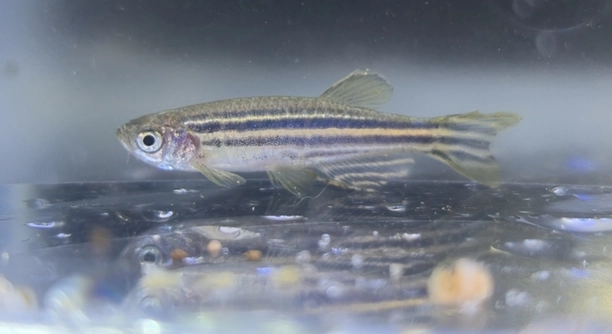
Zebra Danios are a popular choice among aquarium enthusiasts. When considering mixing different species, it’s important to think about their behavior, care needs, and the environment. This ensures a balanced, harmonious tank setup.
When mixing Zebra Danio species, factors such as compatibility, water parameters, tank size, and breeding behavior must be considered. Different Danio species may exhibit varying activity levels or temperaments, affecting their coexistence in the same aquarium.
By keeping these factors in mind, you can create a thriving tank environment that ensures the well-being of all species involved. Understanding these considerations will help you maintain a peaceful aquatic community.
Compatibility Between Zebra Danio Species
When mixing different Zebra Danio species, it’s crucial to consider how compatible they are with each other. Some species may have different swimming speeds, temperaments, or activity levels, which could lead to stress and aggression. Zebra Danios are generally peaceful, but certain species might be more dominant or territorial. If the tank is not spacious enough, these differences can result in fights or unwanted behavior. Researching the specific needs of each species, including their social behavior, can help you create a balanced and peaceful tank environment.
It’s important to note that some Zebra Danio species may be more territorial than others. This could lead to disputes over space in the tank, especially when there are fewer hiding spots or insufficient space for each fish to feel secure.
By observing how the Danios interact in the tank, you can gauge their compatibility and make adjustments. Adding more plants or decorations can provide hiding places, reducing tension between species. You can also increase the tank size if needed, offering more room for everyone.
Tank Size and Space Requirements
The size of the tank plays a significant role in ensuring that Zebra Danios live comfortably together. A tank that’s too small can lead to stress and territorial disputes. Ideally, for mixing species, aim for at least a 20-gallon tank. Larger tanks provide more space for them to swim freely and reduce potential conflict.
For different Zebra Danio species, a larger tank helps to accommodate their varying activity levels and reduce overcrowding. If they don’t have enough space to establish their own territories, aggressive behavior can develop. Adding plants or decorations also helps by giving them places to hide or explore.
The key is to create an environment where each species feels comfortable. A larger tank will reduce stress and create a more natural habitat. Zebra Danios thrive when they have enough space to exhibit their natural behaviors without feeling overcrowded or stressed by other species. If you’re mixing different species, the more space, the better.
Water Parameters
Water parameters, including temperature, pH, and hardness, must be consistent for all species. Zebra Danios can adapt to a variety of water conditions, but they thrive in stable environments. Monitoring the water regularly is essential.
Zebra Danios prefer slightly alkaline to neutral pH, with a temperature range of 64-75°F. When mixing species, these preferences may vary slightly. Some species may have stricter water conditions, which can cause stress or health issues for other species. Keeping the water within the right range for all species will promote good health and active behavior.
If the water quality isn’t maintained, all Danio species will suffer. A good filtration system, regular water changes, and avoiding overfeeding are critical for maintaining clean, healthy water. Regular water testing will help ensure that the conditions are right for everyone in the tank.
Breeding Behavior
When mixing different Zebra Danio species, breeding behavior is something to consider. Some species may breed more easily than others, leading to potential conflicts over territory and mates. This can affect the overall harmony in the tank.
Breeding can also result in overpopulation in the tank. If you’re not ready to care for fry, consider separating breeding pairs or using a breeding box. Managing the breeding behavior ensures the tank doesn’t become overcrowded with baby fish, which can lead to competition for resources.
Activity Levels
Different Zebra Danio species may have different activity levels. Some are more active and will swim throughout the tank, while others might prefer to stay closer to the bottom. This can create imbalance if the species don’t interact well together.
Monitoring their activity is crucial to keeping peace in the tank. Offering plenty of hiding spots, plants, and decorations helps them navigate their space comfortably without feeling overcrowded. Balancing the activity levels of the species can reduce stress and keep everyone content.
Feeding Habits
Zebra Danios are generally not picky eaters, but some species may have different feeding habits. Overfeeding or providing food that some species don’t prefer can lead to imbalances. Ensure that all species are getting the proper nutrients.
Observe how they respond to different types of food. If one species is more dominant during feeding time, it could prevent the others from getting enough to eat. Providing a balanced diet and distributing food evenly ensures every Danio gets its share.
FAQ
Can I mix different Zebra Danio species in the same tank?
Yes, you can mix different Zebra Danio species in the same tank, but it’s important to consider their compatibility. Some species might have different activity levels or temperaments, which can lead to aggression or stress. If you have enough space and provide hiding spots, many Zebra Danio species can coexist peacefully. Just make sure to monitor them for any signs of stress or aggression.
How many Zebra Danios can I keep in a 20-gallon tank?
For a 20-gallon tank, you can typically keep around 6 to 8 Zebra Danios. The key is to ensure there’s enough space for them to swim freely. Overcrowding can cause stress, leading to health issues or territorial behavior. If you’re mixing different species, be mindful of the space they need. Adding plants and decorations can help spread them out and reduce competition.
What water conditions are best for Zebra Danios?
Zebra Danios thrive in slightly alkaline to neutral water, with a pH of 6.5 to 7.5. The temperature should range between 64°F and 75°F. Zebra Danios are quite adaptable, but maintaining stable water conditions is crucial. Make sure to test the water regularly and perform water changes to ensure the environment remains healthy for all species in your tank.
Do Zebra Danios need a heater in the tank?
Zebra Danios prefer water temperatures between 64°F and 75°F. If your room temperature fluctuates outside this range, it’s recommended to use a heater to keep the water stable. However, if your tank is in a room with consistent temperature control, you might not need a heater. Just monitor the water temperature regularly.
How can I prevent aggression between Zebra Danio species?
To prevent aggression, provide plenty of hiding spots, plants, and decorations to help create territories. A larger tank also helps reduce competition for space. If you notice aggression, try rearranging the tank to disrupt territorial claims. It’s also a good idea to keep Zebra Danios in groups, as they feel more secure and are less likely to become aggressive.
Can Zebra Danios live with other species?
Yes, Zebra Danios are generally peaceful and can live with other species. However, avoid mixing them with aggressive or overly territorial fish. Species like tetras, corydoras, or small gouramis make good tankmates. Always consider the size, temperament, and water requirements of any species you add to the tank.
What should I feed my Zebra Danios?
Zebra Danios are not picky eaters and will accept a variety of foods, including flakes, pellets, and live or frozen foods. A balanced diet of high-quality fish flakes, supplemented with occasional live foods like brine shrimp or bloodworms, will keep them healthy. Be sure not to overfeed them, as excess food can lead to poor water quality.
How often should I clean my Zebra Danio tank?
Cleaning your tank regularly is important to keep the water quality high and the fish healthy. Perform partial water changes (about 25% of the water) every 1-2 weeks. Clean the filter regularly to maintain proper water flow and remove debris. It’s also a good idea to check the water parameters regularly to ensure they remain within the ideal range.
Do Zebra Danios breed easily?
Zebra Danios breed quite easily in a well-maintained tank. To encourage breeding, provide plenty of plants for the eggs to attach to, as Zebra Danios are egg scatterers. After breeding, it’s best to separate the parents from the eggs to prevent them from eating the young. The fry will hatch in a couple of days and can be fed infusoria or finely crushed flake food.
Can Zebra Danios live with shrimp or snails?
Zebra Danios are generally peaceful toward snails and shrimp. However, smaller shrimp species might be at risk of being nipped, especially if the Danios are feeling territorial. Larger species of shrimp or snails, like Amano shrimp or mystery snails, can coexist well with Zebra Danios. Always observe the behavior and be ready to separate them if needed.
Are Zebra Danios hardy?
Yes, Zebra Danios are hardy fish. They can tolerate a range of water conditions and are resistant to many common fish diseases. However, they still require stable water parameters and good tank maintenance to thrive. Even though they are resilient, poor water quality can lead to stress and illness.
What is the best tank size for Zebra Danios?
A 20-gallon tank is a good size for a small group of Zebra Danios, especially if you’re mixing species. This allows them enough space to swim and establish territories. If you plan on having more than one species or additional tankmates, consider a 30-gallon tank or larger. The more space, the better.
How can I tell if my Zebra Danio is stressed?
Stress in Zebra Danios can show through abnormal swimming behavior, such as hiding, excessive darting, or rubbing against objects. Stress can also cause color fading or a decrease in appetite. If you notice any of these signs, check the water quality and ensure there are enough hiding spots and proper tank conditions for the fish to feel secure.
Final Thoughts
Mixing different Zebra Danio species can be a rewarding experience if done thoughtfully. These fish are generally peaceful and adaptable, making them suitable for community tanks. However, it’s essential to carefully consider the different characteristics of the species you plan to mix. Each species may have slight differences in activity levels, temperaments, or breeding behaviors. By ensuring that all species are compatible and providing enough space, you can create a harmonious environment where all the fish can thrive.
Tank setup is a key factor in keeping Zebra Danios happy. Providing plenty of hiding spots, plants, and decorations can help reduce stress and encourage natural behavior. It also helps to ensure that the tank is not overcrowded, as too many fish can lead to territorial disputes and poor water quality. Regular maintenance, such as water changes and monitoring of water parameters, is crucial for keeping your fish healthy. Zebra Danios are hardy, but they still require proper care to stay in good condition.
When it comes to mixing Zebra Danio species, observing their behavior and being proactive in making adjustments is essential. If you notice any signs of aggression or stress, consider separating aggressive species or re-arranging the tank. With the right conditions and care, Zebra Danios can live peacefully together and with other species in the same tank. Take your time to create the right setup, and you’ll be rewarded with active and colorful fish that add life to your aquarium.

Hello,
If you enjoy the content that we create, please consider saying a "Thank You!" by leaving a tip.
Every little bit helps us continue crafting quality advice that supports the health, happiness, and well-being of pets around the world, for pets of all shapes, sizes, and species.
We really appreciate the kindness and support that you show us!