
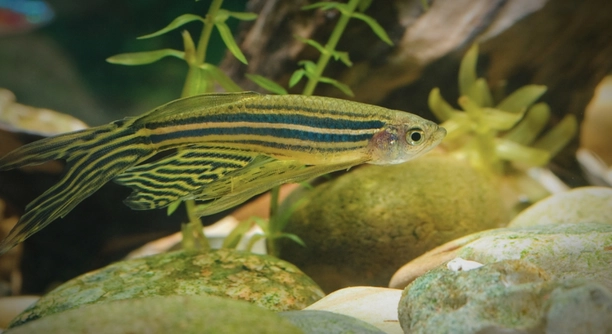
Have you ever watched your zebra danios and wondered if they react to situations based on memory or instinct alone? These small, active fish often surprise aquarists with their behaviors, raising interesting questions about their cognition.
Zebra danios are capable of remembering negative experiences. Studies have shown that these fish can learn from aversive events and alter their behavior accordingly, indicating a form of associative learning and memory retention beyond basic instinctual responses.
Understanding how memory works in zebra danios can help improve their environment and overall care in home aquariums and research settings.
How Zebra Danios Show Memory Through Behavior
Zebra danios are often seen darting around the tank, but their actions can reflect more than just random movement. Researchers have observed that these fish avoid areas where they’ve previously experienced stress, such as electric shocks or sudden threats. They learn to associate specific spots or cues with discomfort and will actively steer clear of them. This behavior shows a basic form of associative learning. It’s not just instinct driving them—it’s experience. These small fish can hold onto memories long enough to change future responses. The ability to recall and react helps them stay safer in unfamiliar settings, especially in the wild where danger can be unpredictable.
This kind of memory isn’t long-term like what we see in mammals, but it’s still significant. It means zebra danios can learn, adapt, and even make simple decisions based on past outcomes.
These patterns of avoidance and hesitation reveal more about how complex fish behavior can actually be.
Why This Matters for Home Aquariums
Fish that remember negative experiences might become more cautious around certain tank areas or equipment.
In a home aquarium, it’s important to consider how routine activities may affect your zebra danios’ stress levels. If netting or sudden light changes are linked with discomfort, your fish might avoid those spots or even stop eating temporarily. To reduce stress, keep feeding schedules consistent and avoid moving things around too much. Provide cover like plants or caves so they feel secure. Pay attention to how they react after water changes or tank cleaning. Subtle behavior changes—like hiding more or swimming near the top—might be their way of remembering an uncomfortable event. Keeping their environment stable can lead to better behavior, health, and longer lifespans. These fish may be small, but they’re smart enough to learn patterns, avoid trouble, and respond to care that feels safe and predictable.
How Negative Experiences Can Affect Group Behavior
Zebra danios are social fish, and one individual’s response to stress can influence the group. If one fish avoids a spot or hides suddenly, others often follow without hesitation.
This shared behavior suggests that zebra danios communicate stress in subtle ways. When one member of the group recalls a negative experience and reacts, the rest may copy the action, even if they didn’t experience the same event. This kind of reaction helps the group stay alert and cautious. If you notice your entire group avoiding a specific area, it might be due to one fish remembering something unpleasant. In smaller tanks, this can lead to persistent avoidance patterns, which might affect feeding routines or rest. To prevent this, it’s helpful to spread out hiding spaces and ensure all areas of the tank feel equally safe. A balanced setup encourages natural swimming and lowers group stress.
In some cases, fish that experienced trauma can become more dominant or reclusive. They might chase others away from certain spots or avoid areas completely, affecting the tank’s social balance. Observing how each fish interacts can help you spot these patterns early. Changes in group dynamics often reflect remembered stress or learned avoidance.
What This Means for Long-Term Care
Zebra danios need consistency in their surroundings to stay mentally and physically healthy. Negative experiences, even brief ones, can shape how they behave for weeks.
Providing long-term care means more than just clean water and regular feeding. It involves creating an environment where the fish feel secure and unthreatened every day. Avoid chasing them with nets, limit sudden temperature changes, and keep noise around the tank low. If they associate stress with feeding or cleaning times, they may start hiding more or acting skittish, which affects overall health. Recognizing these signs helps you adjust routines before they become bigger problems.
Over time, thoughtful care leads to confident, active fish. They’ll swim freely, feed without hesitation, and show more natural behaviors. You’ll also notice fewer signs of stress, such as fin clamping or rapid darting. Keeping their surroundings steady supports their memory, allowing them to form positive patterns.
Recognizing Signs of Stress-Linked Memory
Zebra danios may swim erratically, stay near the surface, or hide more often after a negative experience. These changes often appear quickly and can last for several days depending on the severity of the event.
Avoidance of certain areas, refusal to eat, or unusual aggression may also point to remembered discomfort. Watching their patterns closely helps you identify stress reactions early.
Helping Zebra Danios Build Positive Associations
You can help your zebra danios form positive memories by keeping routines calm and consistent. Feed them at the same times each day, use gentle lighting, and move slowly around the tank. Avoid startling them during maintenance, and offer hiding spaces to reduce fear. Over time, they’ll feel more secure and respond to your presence with calm, predictable behavior. Fish that feel safe tend to explore more and interact normally with others. They may even become more comfortable being visible during feeding or tank activities. These small habits support learning and lower the chances of repeated stress.
Why It’s Worth Paying Attention
Zebra danios may be tiny, but they remember more than you’d expect. A stable, low-stress tank makes all the difference.
FAQ
Can zebra danios really remember past experiences?
Yes, zebra danios can remember certain events, especially if the experience was stressful or involved discomfort. They’ve been observed avoiding areas or situations they associate with something negative. While their memory isn’t long-term like humans or larger animals, it’s strong enough to shape behavior for several days or even weeks. This kind of short-term memory helps them stay cautious and avoid repeating risky situations. Their behavior becomes a helpful signal that something may be wrong in their environment. Paying attention to these changes helps you support their well-being more effectively.
How long do zebra danios remember a negative experience?
The length of memory can vary depending on the intensity of the experience. If it was mild—like a quick disturbance—they may forget within a day or two. But if it was more intense or repeated, like a stressful tank cleaning or an aggressive encounter, they might remember for a week or more. Some danios can even associate certain objects or spots in the tank with that experience, avoiding them entirely. Keeping their tank routine steady and avoiding frequent disruptions can help prevent long-lasting memory of unpleasant events.
Can one stressed zebra danio affect the behavior of others?
Yes, definitely. Zebra danios are social and highly reactive to each other’s movements. If one fish starts avoiding an area or shows signs of stress, others may copy that behavior. This can make it look like the whole group is upset, even if only one fish had the negative experience. It’s their way of staying safe by following group cues. Watching how the group behaves can help you notice changes early and figure out what might be bothering them.
What are some signs that a zebra danio is remembering a bad experience?
Look for changes in swimming patterns, like hiding more than usual, darting quickly, or staying in one part of the tank. They might also avoid food or show less interest in their surroundings. If they used to swim openly and suddenly become shy or aggressive, they might be reacting to a memory. This kind of behavior doesn’t usually go away overnight. Supporting them with calm handling and a steady tank environment helps rebuild trust and comfort.
How can I prevent negative memories from forming in zebra danios?
Gentle, predictable care is key. Feed them on a schedule, avoid making sudden loud noises near the tank, and handle them as little as possible. When cleaning the tank or doing water changes, move slowly and keep things calm. Avoid chasing them with a net or disturbing hiding spots too often. Over time, these small steps help them feel safer, which reduces the chances of them forming stress-linked memories. The goal is to create a space where they feel secure enough to behave naturally.
Will my zebra danio recover from a bad experience?
Most zebra danios bounce back well with the right care. Give them time, avoid repeating the stressor, and keep the tank peaceful. Positive changes—like new plants or more hiding places—can help them feel better. If the fish starts eating normally, swimming freely, and rejoining group activity, it’s a good sign they’re recovering. Try not to introduce more stress while they’re still adjusting. Recovery can take a few days to a week, depending on how stressful the experience was.
Do zebra danios remember people?
They may not recognize individual people in the way mammals do, but they can associate human actions with outcomes. If your presence usually means food or calm activity, they’ll become more relaxed around you. If you often net them or clean the tank roughly, they might hide when you approach. So while they don’t “know” you like a pet dog would, they do form associations that guide how they react to you.
Can zebra danios forget a negative experience completely?
Over time, yes. Their memory fades if the stressful trigger is removed and not repeated. A peaceful tank with consistent care helps them let go of those experiences. While some cautious behavior may linger, most danios will return to normal once they feel safe again.
Final Thoughts
Zebra danios may be small, but their behavior can tell you a lot about how they feel. While they don’t remember everything forever, they do respond strongly to negative events, especially when something scares or stresses them. This memory helps them stay safe in the wild, and the same instincts carry over into aquarium life. Watching how they react and adjust to different situations can give you clear signs about their comfort. Sudden changes in swimming patterns, appetite, or group behavior usually show they’re feeling stressed. These changes shouldn’t be ignored, as they often link back to something they remember.
Understanding how zebra danios process these experiences can help you care for them better. Keeping their tank calm, clean, and predictable lowers the chance of them building negative memories. If you need to make changes—like moving them or adjusting water conditions—it helps to go slowly. Being patient and gentle when handling them or cleaning their space also makes a big difference. Over time, they start to feel safer and more at ease, especially if those stressful experiences are not repeated. When they feel comfortable, they’re more likely to swim freely, eat well, and interact with their tankmates like normal.
It’s clear that memory plays a role in their behavior, even if it doesn’t work the same way human memory does. By paying attention to their signals and creating a stable environment, you can support their mental and physical health. While you can’t erase a bad memory right away, you can help reduce its effect. As the days pass and stress levels drop, zebra danios usually return to their regular routines. Their behavior reflects how they’re feeling, so small changes in care can go a long way. The more you learn to read and respect their signals, the better your care will be. This creates a peaceful tank where your zebra danios can thrive without fear or discomfort.

Hello,
If you enjoy the content that we create, please consider saying a "Thank You!" by leaving a tip.
Every little bit helps us continue crafting quality advice that supports the health, happiness, and well-being of pets around the world, for pets of all shapes, sizes, and species.
We really appreciate the kindness and support that you show us!