
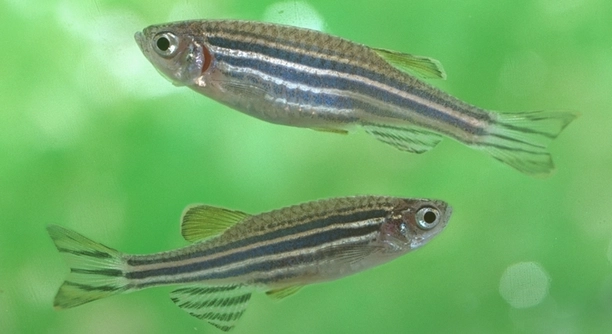
Zebra Danios are popular aquarium fish known for their bright colors and active behavior. If you’re a fish enthusiast, you might want to learn how to recognize when these little swimmers are preparing to spawn.
Zebra Danios exhibit certain physical and behavioral changes when preparing to spawn. Female Danios become rounder and fuller, while males show increased activity and chase the females. These signs can help identify when spawning is imminent.
Understanding these signs can help you create the best conditions for your Zebra Danios. By monitoring their behavior closely, you’ll ensure a successful breeding process for your aquarium.
Signs That Your Zebra Danio Is Getting Ready to Spawn
When Zebra Danios are about to spawn, their behavior and physical appearance begin to change. One of the first signs is the increased activity level. Males become more energetic, swimming rapidly and darting around the tank. The females, on the other hand, start to grow noticeably rounder and fuller. This is a clear indicator that they are carrying eggs. You might also notice that the males are constantly chasing the females, trying to get close to them. This behavior is part of their mating ritual, and it usually happens just before spawning takes place.
Once you spot these changes, it’s important to observe how the males are interacting with the females. Their chasing behavior can become more intense as they try to nudge the female into a position where spawning can occur. These movements are part of the natural process, as the males try to release sperm near the eggs that the females are ready to lay.
In addition to physical changes, the environment can also trigger these behaviors. Zebra Danios are sensitive to changes in water temperature, light cycles, and tank conditions. A slight increase in temperature or a more regular light schedule can signal to your fish that it’s time to spawn.
Preparing the Tank for Spawning
Make sure to set up a breeding tank to increase the chances of successful spawning. This helps separate the eggs from potential harm.
Setting up a breeding tank requires ensuring the water temperature is around 75-80°F and the light cycle is set to mimic natural conditions. This can help induce spawning in Zebra Danios.
Setting Up the Breeding Tank
A separate breeding tank helps ensure a safe environment for the eggs. Make sure the water is soft and slightly acidic, with a pH of around 6.5-7.0. Use a sponge filter to prevent eggs from being sucked into the filter, as this can damage or destroy them.
It’s also helpful to add some plants or spawning mats in the tank. These provide a safe place for the eggs to settle after the female lays them. Keep the tank free of sharp objects that could harm the delicate eggs. Setting up a separate breeding tank reduces stress on the adults, allowing them to focus on spawning without distractions from other fish in the main aquarium.
When setting up the tank, avoid adding gravel or any large substrate, as this can make it difficult for the eggs to remain undisturbed. The goal is to create a peaceful environment where the eggs have the best chance of hatching without interference from other fish.
After Spawning Care
Once spawning is complete, remove the adult fish from the breeding tank to prevent them from eating the eggs. If left in the tank, Zebra Danios might eat their eggs or fry.
Ensure the water temperature remains consistent, and do not disturb the eggs. After 24-48 hours, the eggs should begin to hatch. Be patient and continue to monitor the water quality to keep the developing fry healthy.
Monitoring Water Conditions
Water quality is crucial during the spawning process. Regularly check the temperature, pH, and ammonia levels to ensure they remain stable. Fluctuations can stress the fish and disrupt the spawning process.
Make sure to perform water changes if necessary. Keeping the water clean and stable will increase the chances of successful spawning and healthy eggs. Regular testing helps prevent problems like ammonia spikes that can harm both adults and fry.
Feeding After Spawning
Once spawning is over, it’s important to continue feeding the fish. Offer high-quality, nutritious food to ensure the adults remain healthy. After the eggs hatch, you may need to adjust the food to accommodate the growing fry.
It’s essential to feed the fry tiny amounts of food, such as infusoria or finely crushed flakes, to avoid overfeeding. Proper nutrition will support their growth into strong, healthy juveniles. Keep the feeding schedule consistent and monitor the fry’s progress, adjusting as they develop.
FAQ
How long does it take for Zebra Danio eggs to hatch?
Zebra Danio eggs typically take 24 to 48 hours to hatch after spawning, depending on water conditions such as temperature. Warmer water speeds up the process, while cooler water may delay it. Ensure the water temperature stays between 75-80°F to encourage hatching. After hatching, the fry will start absorbing their yolk sacs for the first few days.
What should I do if the eggs aren’t hatching?
If the eggs are not hatching after 48 hours, check for water quality issues. High ammonia levels, low oxygen, or unstable temperatures can harm the eggs. Try to maintain a steady, clean environment. If problems persist, consider replacing some water to ensure a healthier environment for the eggs. In some cases, infertile eggs will not hatch, which is natural.
Do I need to remove the parents after spawning?
Yes, it’s important to remove the adult Zebra Danios after they spawn. If left in the tank, they may eat the eggs or fry. Adult Danios are known to be egg-eaters, so removing them ensures the eggs have a better chance of developing into healthy fry.
Can Zebra Danios spawn without a male?
No, female Zebra Danios cannot spawn without the presence of a male. Males play a key role in fertilizing the eggs during the spawning process. Without male involvement, the female will not release fertilized eggs, and no fry will be produced.
How can I tell if my Zebra Danio is a female or a male?
Female Zebra Danios are generally rounder and more robust in appearance, especially when they are carrying eggs. Males tend to be slimmer and more colorful. During the breeding season, males are more active and chase the females, trying to position themselves near the female to fertilize her eggs.
Can Zebra Danios breed in a community tank?
Yes, Zebra Danios can breed in a community tank, but it may not be the most effective environment for successful spawning. If there are other fish that are aggressive or eat eggs, the chances of successful breeding may be reduced. A separate breeding tank will offer a better chance for eggs to hatch and fry to survive.
How do I take care of newly hatched fry?
After the fry hatch, they will need special care. Initially, they will survive off their yolk sacs, but once those are consumed, you’ll need to start feeding them. Start with infusoria, a very fine food that fry can easily consume. As they grow, gradually switch to powdered fry food or finely crushed fish flakes.
What temperature should the breeding tank be set at?
The water temperature should be between 75-80°F for optimal spawning conditions. Keeping the tank at a consistent temperature ensures that the Zebra Danios feel comfortable and encourages the spawning process. Avoid sudden temperature fluctuations, as this can stress the fish and disrupt breeding.
Do Zebra Danios require specific water conditions to breed?
Yes, Zebra Danios thrive in soft, slightly acidic water with a pH of around 6.5-7.0 for breeding. Keeping the water clean and well-oxygenated is essential for both the adults and fry. Regular water changes will help maintain the ideal conditions, but be careful not to disturb the eggs too much.
What should I do if the fry are not growing?
If the fry are not growing, check their food intake and water conditions. Make sure they are being fed enough, but avoid overfeeding, as leftover food can pollute the water. Ensure that the water temperature is within the proper range and that the fry are not stressed. Regular water changes and monitoring for any signs of illness can also help.
How long do Zebra Danios live?
Zebra Danios typically live for around 3 to 5 years in a well-maintained aquarium. Good water conditions, proper feeding, and a stress-free environment will help them live longer. Regular monitoring of their health and taking care of any potential problems early on will ensure their well-being.
Can I keep the fry with adult fish?
It’s generally not recommended to keep the fry with adult Zebra Danios right away. Adults may eat the fry, especially in a tank with limited hiding spaces. You can move the fry to a separate tank to give them a better chance of survival. After they grow large enough, they can be reintroduced to the community tank.
How do I prevent Zebra Danios from overbreeding?
To prevent Zebra Danios from overbreeding, keep an eye on their behavior and tank conditions. If you don’t want them to breed too often, consider keeping the male-to-female ratio balanced. You can also regulate their breeding by adjusting the light cycle and water temperature. Simply removing the breeding tank or introducing a different environment will also help control breeding frequency.
Do Zebra Danios need special lighting to spawn?
Zebra Danios do not need special lighting to spawn, but a regular day-night light cycle helps trigger breeding behavior. Mimicking natural light conditions (about 12 hours of light and 12 hours of darkness) can signal to the fish that it’s the right time to spawn. Avoid using harsh or intense lights that could stress them.
Final Thoughts
Breeding Zebra Danios can be a rewarding experience for aquarium owners. These small, colorful fish are relatively easy to care for and breed, making them a good choice for those interested in breeding fish at home. By understanding their behavior and creating the right environment, you can increase the chances of successful spawning and healthy fry. Maintaining a clean and stable environment is key to their well-being. Keeping the water conditions ideal and ensuring the right temperature and pH levels will help the fish feel comfortable enough to breed.
One of the most important factors in successfully breeding Zebra Danios is closely monitoring their physical changes and behavior. Females will become noticeably rounder as they prepare to spawn, while males will become more active and chase the females. Once you notice these signs, it’s time to provide a breeding tank or a suitable environment for the eggs to hatch. The eggs will typically hatch within 24 to 48 hours, and the fry will need to be carefully fed and watched to ensure their survival. Keeping the adults away after spawning is also essential to prevent them from eating the eggs or fry.
Overall, breeding Zebra Danios requires a little attention to detail, but it is not difficult. By setting up a proper breeding tank, monitoring the water conditions, and ensuring the right food for the fry, you can enjoy watching the fish thrive and multiply in your aquarium. Patience is key, as the process may take a little time, but with the right care, you will soon see your fish growing from tiny eggs to lively, colorful Danios.

Hello,
If you enjoy the content that we create, please consider saying a "Thank You!" by leaving a tip.
Every little bit helps us continue crafting quality advice that supports the health, happiness, and well-being of pets around the world, for pets of all shapes, sizes, and species.
We really appreciate the kindness and support that you show us!