
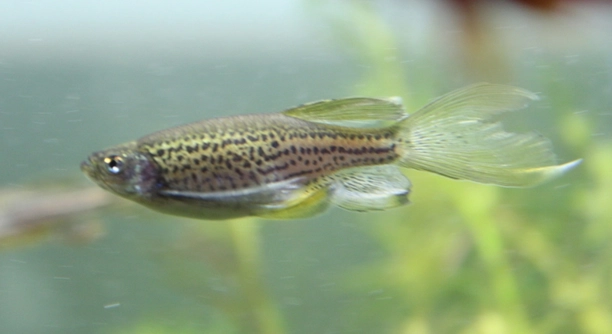
Have you ever found yourself watching your zebra danios and wondering if their quick movements mean something more than just swimming around? Their behavior can seem random, but it might be revealing more than you think.
Zebra danios can express certain emotional states through movement, including excitement, fear, or stress. Observing changes in swimming speed, direction, and group patterns can provide insights into their current condition and general well-being.
Small details in their swimming can offer helpful clues about their comfort and environment, especially when changes happen suddenly or persist.
Understanding Zebra Danio Movement and Emotion
Zebra danios are known for their fast, darting movements, often seen zipping back and forth in tanks. These patterns are not always random. A calm, steady swim usually signals a relaxed state, while rapid, erratic swimming can indicate stress or sudden excitement. When they feel threatened or alarmed, danios often dart to the bottom or stay near the edges. In contrast, a comfortable danio may swim in loose, coordinated groups and display smoother, slower motions. Environmental changes like temperature shifts, new tank mates, or bright lighting can all impact how they move. Recognizing these shifts can help you respond to your danios’ needs quickly. If your fish suddenly starts pacing or hiding, it’s worth checking for disruptions in their setup. Consistency in water conditions, space to swim, and familiar surroundings all play a role in keeping them emotionally balanced. Watching their body language becomes easier once you know what’s normal.
Fast swimming doesn’t always mean fear. Sometimes, it can mean excitement—especially around feeding time or when they see movement nearby.
Danios are naturally active, but their movement becomes more meaningful when viewed alongside other factors like tank conditions, social interactions, and feeding habits. These clues give a better picture of their overall well-being.
What to Watch For
Not all movement changes point to stress. Some simply reflect the danio’s alertness or curiosity.
Danios often communicate through their group behavior. Shoaling behavior, where fish swim closely and in sync, indicates comfort and security. When this pattern breaks—such as one fish isolating itself or swimming erratically—it may suggest discomfort. Environmental stressors like poor water quality or incompatible tank mates can trigger this. Adding new fish can also disturb the usual patterns. A stressed danio might refuse food, stay near the bottom, or dart around nervously. On the other hand, a well-adjusted fish will swim with ease and respond positively to feeding cues. Changes in fin position and body color also matter. Fins held tightly against the body or a sudden pale appearance can go along with unusual swimming patterns. Observing these shifts helps you act early. Keeping a clean, stable tank and minimizing disturbances supports more natural, relaxed behavior. Regular monitoring helps you better understand when a danio is truly stressed versus simply reacting to a short-term change.
Reading Group Dynamics
Zebra danios prefer swimming in groups, and their behavior becomes more expressive when surrounded by others. A fish swimming apart or showing hesitation may be responding to discomfort or a shift in tank balance, such as new fish or sudden changes.
When danios feel secure, they swim together in a loosely coordinated school. This movement reflects both comfort and communication. A tight, erratic cluster may mean the group feels unsafe, especially if a predator-like stimulus is present—like a sudden shadow or tapping on the tank. Subtle signs like chasing or one fish constantly hiding suggest a dominance issue or social stress. Even minor aggression can change the group’s movement patterns. Monitoring how often fish break away or remain isolated can help catch early signs of stress. Group behavior often gives away more than individual movements alone. Noticing these patterns early makes it easier to prevent potential issues before they escalate.
Danios rely heavily on routine and familiar interactions. When this balance shifts, such as with overcrowding or poor lighting, it often shows in their swimming. If they’re constantly adjusting their spacing or darting in reaction to others, the setup might need review. Even healthy danios can show stress if conditions become too unpredictable.
Subtle Movement Changes
Some shifts in swimming are easy to miss. Slight twitching or repetitive turns may signal early discomfort or a reaction to environmental changes like noise or lighting.
A danio that keeps circling in one spot or pacing up and down the glass may be experiencing mild stress. These behaviors often happen before more obvious signs appear. Over time, repetitive swimming patterns can become habit if the cause is not addressed. Water quality, temperature inconsistencies, or lack of stimulation might be behind these actions. Other subtle signs include frequently bumping into decorations or swimming with uneven fin movement. When these behaviors become regular, it’s worth reviewing the tank environment and making small adjustments. A quiet, consistent setup with minimal sudden changes can help reduce low-level stress behaviors and keep their movements natural and fluid. Early awareness can make a significant difference in maintaining their well-being.
Environmental Triggers to Watch
Changes in lighting, temperature, or filtration can lead to sudden shifts in danio movement. Even slight fluctuations can cause stress, especially in smaller tanks where conditions change faster and more noticeably.
Strong currents or noisy equipment may also disrupt their normal swimming patterns. Calmer setups usually support more relaxed, consistent movement.
How Feeding Affects Behavior
Feeding time brings out some of the clearest emotional responses in danios. They often speed up and dart around in anticipation, especially if they associate you with food. This excitement is normal, but frantic swimming after feeding may signal overfeeding or poor digestion. Too much uneaten food can affect water quality, leading to sluggish behavior or increased stress later. It’s best to feed them small amounts they can eat quickly and observe their behavior during and after meals. A calm return to regular swimming after feeding usually means they’re healthy and content. Any ongoing frantic or lethargic behavior may need closer attention.
Monitoring Over Time
Tracking movement patterns regularly makes it easier to notice small changes. Over time, this helps identify what’s normal for your danios and what’s not.
FAQ
Can zebra danios feel stress?
Yes, zebra danios can feel stress. It often shows in their swimming patterns. If they’re darting around quickly, hiding, or swimming near the surface or corners of the tank, they might be reacting to something in their environment. Poor water quality, sudden changes, overcrowding, or incompatible tank mates are common causes. Other signs include changes in color, clamped fins, or avoiding food. Even strong light or noisy surroundings can increase their stress levels. Consistent care, clean water, and a calm tank setup help reduce this. Watching them closely makes it easier to spot changes early.
Why is my zebra danio swimming alone?
Danios are social fish and usually swim in groups. A danio separating itself might be unwell, feeling stressed, or reacting to a change in the tank. It could be a sign of bullying, illness, or discomfort from poor conditions. Sometimes, a fish may also become temporarily withdrawn after being introduced to a new environment. Check for any physical signs of injury, test the water, and observe how the others are interacting. If the behavior continues, it’s best to isolate the fish briefly for closer monitoring and rule out any health concerns.
Do zebra danios show excitement?
Yes, they often show excitement, especially during feeding or when they spot movement near the tank. Quick, energetic swimming, frequent dashing, and increased interaction with other fish are typical signs. If this behavior is short and followed by calm swimming, it’s usually nothing to worry about. Long periods of erratic motion, however, could signal overstimulation or stress. Excitement is generally harmless if it occurs in short bursts and under normal conditions. Watching how they settle afterward can help you know the difference between happy energy and something more serious.
What does it mean when a danio swims at the surface?
Swimming near the surface can mean your danio isn’t getting enough oxygen, especially if it’s gulping air. Poor water circulation or high temperatures can reduce oxygen levels. It could also be a response to water quality issues like ammonia spikes. Occasionally, danios may also hover near the top if they expect food. If this becomes a regular habit, check the tank’s oxygen levels, filter function, and temperature. Adding an air stone or improving circulation can help. Surface swimming is often an early sign that something in the environment needs adjustment.
Can movement show illness?
Yes, movement can reflect illness. A danio that’s swimming unevenly, flipping, or floating sideways may be experiencing swim bladder problems or internal infections. Twitching, rubbing against surfaces, or moving in tight circles may suggest irritation or parasites. Slower swimming or hiding could signal fatigue or discomfort. These signs are often subtle at first. Combining movement patterns with other signs like appetite loss, color changes, or labored breathing can help you act quickly. Quarantining affected fish and checking water parameters should always be your first step when illness is suspected.
Is fast swimming always a bad sign?
Not always. Fast swimming is common during feeding, play, or interaction with tank mates. But when it continues without a clear trigger, it might mean stress or discomfort. Watch for patterns—if the fish is also hiding, showing clamped fins, or chasing others, it might be more than just energy. On the other hand, a healthy danio will swim fast occasionally but balance it with calm, steady movement throughout the day. Sudden bursts followed by normal swimming are usually harmless. Consistent monitoring helps separate play from potential stress signals.
Why is my danio hiding all of a sudden?
Sudden hiding can mean the fish feels unsafe. It could be reacting to a new tank mate, loud noises, lighting changes, or an unfamiliar environment. Illness or injury can also cause hiding, especially if the fish looks pale or sluggish. A new fish might hide more often until it adjusts. If your danio stays hidden for several days, it’s worth checking the tank setup, other fish behavior, and water quality. Providing plants or decorations can offer safe hiding spaces without encouraging isolation. A balanced setup encourages normal, open swimming over time.
How can I make my danios more comfortable?
Keep the tank stable—clean water, a steady temperature, and gentle lighting help a lot. Avoid sudden changes or overcrowding. Make sure they have space to swim freely and at least five companions to reduce stress. Add plants or decorations for cover but leave enough room for open swimming. Feed small portions and observe how they behave afterward. Limit loud noises or vibrations near the tank. A peaceful, predictable environment helps them stay active and calm. Watch their group dynamics regularly to spot early signs of stress or discomfort.
Final Thoughts
Zebra danios may be small, but their movements can say a lot about how they feel. From rapid darting to slow, isolated swimming, their behavior offers clues about their comfort, stress, or overall health. While their emotions may not be as obvious as those of mammals, their actions in the tank still reflect responses to the world around them. Watching them closely helps you learn what is normal and what may signal a problem. Understanding the connection between movement and mood makes it easier to provide care that keeps them active and content.
Consistency in their environment plays a big role in how zebra danios behave. Clean water, steady temperatures, good oxygen levels, and peaceful tank mates allow them to feel safe. When these needs are met, their movements become more relaxed and social. A stable setup also helps reduce signs of stress, like hiding or erratic swimming. These small changes in how they move may not always mean something serious, but they are worth noticing. Responding early to unusual behavior often prevents more serious issues from developing later on.
Caring for zebra danios means more than just feeding them. It involves paying attention to their patterns and giving them a space where they can move freely and feel secure. Watching how they swim, where they stay in the tank, and how they interact with each other makes it easier to recognize subtle signs of discomfort or excitement. With time and attention, you can learn what is normal for your fish and spot when something feels off. Understanding these details not only improves their quality of life but also helps you feel more connected to them as you care for their needs each day.

Hello,
If you enjoy the content that we create, please consider saying a "Thank You!" by leaving a tip.
Every little bit helps us continue crafting quality advice that supports the health, happiness, and well-being of pets around the world, for pets of all shapes, sizes, and species.
We really appreciate the kindness and support that you show us!