
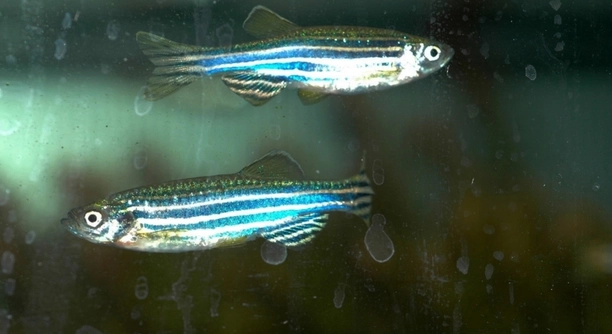
Zebra Danios are known for their lively nature and colorful patterns. When breeding attempts are made, the behavior of these fish can shift in surprising ways, offering insights into their social dynamics and environmental needs.
After breeding attempts, Zebra Danios typically exhibit notable changes in behavior. These shifts can include increased aggression, territoriality, and altered feeding habits, as the fish adjust to the demands of reproduction and the care of eggs.
These behavior shifts are key to understanding Zebra Danio breeding success. Exploring these changes can help provide a better environment for future breeding attempts.
Behavior Shifts After Breeding Attempts
Zebra Danios change significantly after breeding attempts, and these changes are often seen in their aggression levels and territorial instincts. These behaviors are essential for protecting their eggs and ensuring successful reproduction. Male Zebra Danios, in particular, may become more territorial, swimming aggressively around their chosen nesting spots to guard the eggs. They may chase away other fish, defending their space vigorously. As for the females, they may display more cautious behavior, staying close to the eggs and avoiding unnecessary movement. These shifts are natural as the fish adjust to the increased responsibilities of reproduction.
The change in behavior can also impact how the fish interact with each other and their environment. This is important for any aquarist looking to breed Zebra Danios, as it can help ensure the fish feel secure enough to breed again.
Providing a stress-free environment can ease the aggressive behavior, helping both males and females maintain healthier interactions. Keeping water parameters stable and offering hiding spaces may also reduce the level of tension in the tank.
Increased Aggression and Territoriality
Male Zebra Danios often become more territorial after breeding attempts. They fiercely guard their chosen spots where eggs are laid, making it difficult for other fish to enter. This aggression helps protect the eggs from potential threats. In some cases, males may become more aggressive toward females, trying to assert dominance.
It’s not uncommon for males to chase the females away from the eggs after fertilization. This behavior ensures that the male can defend the eggs without distraction. The aggression typically diminishes once the eggs hatch, but it can continue for some time if the environment isn’t adjusted to alleviate stress.
If you’re breeding Zebra Danios, it’s important to monitor these aggressive behaviors. Introducing more hiding spaces and offering areas where the fish can escape the constant confrontation can help reduce tension. It’s also essential to provide plenty of room in the tank for each fish to establish its own space.
Altered Feeding Habits
After breeding attempts, Zebra Danios may show a shift in their feeding habits. They tend to focus less on food and more on guarding their eggs. Males, in particular, will often become so focused on protecting their territory that they lose interest in eating. This can affect their overall health if the behavior continues for an extended period.
It’s important to ensure that food is offered in a manner that encourages them to eat. Try using smaller portions or spreading food around the tank to engage their natural hunting instincts. This will help them stay nourished and reduce the likelihood of them becoming malnourished due to lack of appetite.
Consider adjusting your feeding routine during breeding periods. You may need to offer food at different times or change the type of food you provide. These small adjustments can make a big difference in ensuring the health of your fish while they focus on reproduction.
Increased Hide-and-Seek Behavior
Zebra Danios may become more secretive after breeding attempts. Both males and females tend to spend more time hiding, especially if they feel threatened or stressed by other tank mates. They seek shelter in plants, rocks, or other hiding spots to stay safe.
This behavior can be stressful for the fish, particularly in a crowded tank. The need to hide increases as the fish feel the pressure of their new responsibilities. Reducing the number of fish in the tank or rearranging decorations can help provide more safe spaces for the Danios to feel secure.
Reduced Social Interaction
After breeding, Zebra Danios often exhibit less social behavior. They may avoid interacting with other fish, focusing primarily on guarding their eggs or recovering from the stress of the breeding process. This shift can last for several days, depending on the fish’s level of comfort.
A tank that offers plenty of hiding places and separate zones can help ease this period. The fish will feel less threatened and more inclined to interact with each other once the breeding process has concluded. However, patience is essential during this time.
Breeding-Related Changes in Swimming Patterns
Zebra Danios also change their swimming patterns after breeding attempts. Males may swim more aggressively around their territory, while females become slower and more cautious, often sticking to safer areas of the tank. These shifts are tied to the fish’s instinct to protect the eggs.
The males typically make erratic movements to chase away other tank mates, making the environment feel more intense. To help them adjust, ensure the tank is large enough for the fish to establish personal space without overcrowding. This will help reduce stress on the fish.
FAQ
Why do male Zebra Danios become more aggressive after breeding?
Male Zebra Danios become more aggressive after breeding to protect their eggs and ensure that no other fish can threaten their offspring. This behavior is driven by their instinct to maintain a safe environment for the fertilized eggs. Male aggression is a natural response to territoriality during this critical time.
How can I reduce the aggression in my Zebra Danios?
To reduce aggression, make sure the tank provides plenty of hiding spaces and areas where fish can establish personal territories. Increasing the tank size or rearranging the decorations can also help ease the tension. Additionally, ensuring that the water parameters are ideal for breeding will reduce stress and aggression.
How long does the aggressive behavior last after breeding?
The aggressive behavior typically lasts for several days to a week. Once the eggs hatch and the males feel their offspring are safe, the aggression usually decreases. However, in tanks where the fish feel crowded or threatened, aggression can persist longer.
Do Zebra Danios eat less after breeding?
Yes, Zebra Danios tend to eat less after breeding. Males are often so focused on guarding their eggs that they lose interest in food. Females may also be less interested in eating while they recover from the breeding process. It is important to monitor their health and adjust feeding routines as needed.
How can I make sure my Zebra Danios continue to eat during breeding?
Offer food in a way that encourages natural foraging behavior. Spreading food around the tank or using smaller portions can help. Offering live food such as brine shrimp can stimulate their interest. Ensuring the water is clean and free from stressors will also improve their appetite.
Should I separate the males and females after breeding?
It is not necessary to separate males and females after breeding, but doing so can reduce stress and aggression. If you’re breeding Zebra Danios in a community tank, it may be helpful to remove any overly aggressive males to prevent harm to other fish.
How do Zebra Danios change their swimming behavior after breeding?
Male Zebra Danios may exhibit more erratic swimming patterns, often chasing away other fish or swimming around the tank in search of potential threats to their eggs. Females may become slower and more cautious, sticking close to hiding places. These changes are a natural response to breeding.
Will Zebra Danios fight with each other after breeding?
Yes, especially males. They may fight with each other to defend their territories and eggs. In a smaller tank or overcrowded space, the aggression can escalate. It’s important to ensure that the tank is large enough to accommodate the fish without them feeling crowded or stressed.
How can I provide a stress-free environment for my Zebra Danios during breeding?
To create a stress-free environment, make sure the tank has plenty of hiding spots, such as plants, rocks, or decorations. Keep the water parameters stable, including temperature, pH, and ammonia levels. Avoid sudden changes in the tank environment, as these can add to the stress.
How often do Zebra Danios breed?
Zebra Danios are prolific breeders, often breeding every few weeks under optimal conditions. They are egg scatterers, meaning they release their eggs freely in the tank. If you want to encourage more breeding, maintaining the right environment and feeding them well will help them reproduce more frequently.
Can Zebra Danios breed with other species?
No, Zebra Danios cannot breed with other species. They can only breed with other Zebra Danios. Even though they may share a tank with other species, they will only mate with their own kind. This is essential to ensure the survival of their eggs.
What should I do with the eggs after Zebra Danios breed?
Once the eggs are laid, it’s important to either remove the adults from the tank or remove the eggs to prevent them from being eaten. Zebra Danios are not parental and may eat the eggs if left in the tank. If you leave the eggs in the tank, ensure that the water conditions remain stable for the best chance of survival.
Do Zebra Danios care for their eggs?
No, Zebra Danios do not care for their eggs. They lay their eggs and then leave them to develop on their own. This is why male aggression becomes crucial for protecting the eggs. Once the eggs hatch, the fry are left to fend for themselves.
Can Zebra Danio fry survive on their own?
Yes, Zebra Danio fry can survive on their own after hatching. They are small but can swim and forage for food soon after they are born. However, they are vulnerable to predation, so it’s essential to ensure the tank is safe for them to grow.
Final Thoughts
Breeding Zebra Danios can be an exciting experience, but it comes with certain challenges. As the fish undergo breeding attempts, you may notice changes in behavior such as aggression, territoriality, and shifts in feeding habits. Understanding these behaviors is key to ensuring the health and well-being of your fish. It’s important to monitor your fish closely and make necessary adjustments to the environment to help reduce stress and aggression. Providing enough space, hiding spots, and maintaining good water quality will help reduce tension and encourage a smoother breeding process.
Despite the challenges, Zebra Danios are relatively easy to care for during the breeding process compared to other species. They are known for being resilient and adaptable, making them suitable for both beginners and experienced aquarists. However, being mindful of the changes in their behavior and adjusting your approach is crucial. By offering food in a way that stimulates their natural instincts and providing a stress-free environment, you can ensure that they remain healthy and continue to thrive after breeding attempts. Over time, you will learn the best practices for breeding and raising Zebra Danios, making the process smoother each time.
If you’re new to breeding Zebra Danios, it’s essential to be patient and observant. Every tank environment is different, and your fish may react in ways that differ from what you’ve read or experienced with other tanks. The key is to create a space where your fish feel safe and are able to perform their natural behaviors without undue stress. By understanding the changes in their behavior, you can help your Zebra Danios breed successfully and maintain a healthy, thriving tank.

Hello,
If you enjoy the content that we create, please consider saying a "Thank You!" by leaving a tip.
Every little bit helps us continue crafting quality advice that supports the health, happiness, and well-being of pets around the world, for pets of all shapes, sizes, and species.
We really appreciate the kindness and support that you show us!