
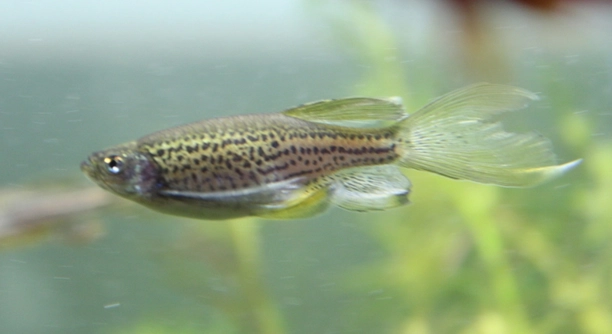
Choosing the right tank mates for Danios can be tricky, especially when their lively and active nature is considered. Understanding which fish will thrive with them is key to creating a balanced and peaceful aquarium.
Selecting compatible tank mates for Danios involves understanding their temperament, size, and activity levels. Failing to account for these factors can lead to stress, aggression, or even harm to the Danios and their companions.
Knowing which species work well together is essential to maintain a harmonious tank environment and ensure all fish remain healthy.
Common Mistakes When Choosing Tank Mates
One mistake many people make is underestimating the activity level of Danios. These fish are highly energetic and need tank mates that can keep up. Choosing slow-moving or shy fish can result in constant stress for the more timid species, affecting their health. Danios can also be nippy, which can cause discomfort for smaller or slower fish. When selecting companions, it’s essential to pick species that can match their energy levels and aren’t easily intimidated.
Even though Danios are friendly and peaceful, not all fish will fit into their lively environment. Their constant motion might make some fish feel threatened. It’s crucial to consider not only the size and temperament of potential tank mates but also their swimming speed.
If you’re considering fish like Bettas or goldfish, they may not be the best choice. Betta fish are known for their aggressive nature, and goldfish grow large, often outpacing Danios in both size and need for space. These species could disrupt the harmony of your aquarium, so it’s best to opt for species like Corydoras catfish or smaller tetras, which are more compatible with Danios.
Environmental Compatibility
Another common mistake is failing to account for water parameters. Danios prefer slightly alkaline water, while other species may require more acidic conditions. This difference can create stress for both the Danios and their tank mates. Keeping an eye on water temperature and pH levels is essential to maintaining a peaceful and healthy environment for all the fish.
Danios are hardy and adaptable, but that doesn’t mean all tank mates share these traits. For instance, species like angelfish and discus fish need warmer water and prefer softer, more acidic water. Such species will not thrive in the conditions that Danios prefer, leading to health issues. Proper research and water testing are key when selecting tank mates that can adjust to the same conditions.
Ignoring Size Differences
Danios are small, but they’re quick and can be quite assertive. If paired with much larger fish, they may be overwhelmed or unable to compete for food. On the flip side, larger fish may accidentally harm them while moving around the tank. It’s best to select fish of similar sizes to ensure balance.
Size differences between tank mates should never be overlooked. While small fish like Danios thrive in a group, pairing them with larger species can create unwanted stress. Large fish may accidentally bump into or even eat smaller Danios. It’s important to consider the size of all fish in the tank to maintain a safe environment.
Incompatible size can also lead to aggression. Larger fish may harass smaller ones, especially when they’re hungry or defending territory. Choosing tank mates that are similar in size and behavior will reduce the likelihood of aggression and give all fish enough space to move freely. Balance is key.
Overcrowding the Tank
Another common mistake is overcrowding. Danios do best in groups, but too many fish in a small tank can lead to poor water quality and increased stress. Overcrowding can also cause territorial disputes, which disrupt the peace. It’s important to maintain a proper balance.
While Danios need company, overloading the tank with too many fish can cause several issues. The more fish there are, the higher the risk of waste buildup and pollution in the water. This poor water quality can result in unhealthy conditions, making it more difficult for the fish to thrive. Always be mindful of the tank’s capacity.
Proper filtration and regular water changes are necessary when keeping a larger number of fish. A well-maintained tank with the right number of species will promote better water quality and a healthier environment. Avoid cramming too many fish in a small space to ensure all species have room to flourish.
Choosing Aggressive Tank Mates
Danios are peaceful fish that thrive in a calm environment. Pairing them with aggressive species can create constant stress. Aggressive fish may bully Danios, which can lead to physical damage or prevent them from eating properly. Always avoid fish known for territorial behavior.
Aggressive species, like cichlids or large bettas, should not be kept with Danios. These fish are more likely to establish dominance in the tank, which can lead to bullying or aggression toward Danios. This aggression can damage fins, cause injury, or simply make the Danios feel unsafe.
It’s important to choose fish that are known to be peaceful and non-territorial. Tank mates like peaceful tetras or catfish are better suited to Danios. They won’t stress your Danios or disrupt the balance of the tank. Always research the behavior of potential tank mates before introducing them.
Overlooking Tank Territory
Danios are active swimmers that enjoy exploring all areas of the tank. Some fish may become territorial and guard certain spaces, causing unnecessary conflict. When selecting tank mates, it’s crucial to consider how the fish will interact with their environment.
Territorial fish like angelfish or certain types of gouramis may claim specific areas of the tank. This can limit the space available to your Danios, causing them to feel confined or stressed. Fish that prefer the bottom of the tank may interfere with Danios, who enjoy swimming mid-level. Consider how each fish uses the space in your tank.
A peaceful, well-balanced tank should offer ample swimming space for all inhabitants. Avoid species that are known to be territorial and choose those that are more flexible with where they swim. This ensures a harmonious environment for Danios to thrive in.
Ignoring Activity Levels
Danios are active fish that need space to swim freely. Pairing them with slow-moving fish can lead to frustration and stress. It’s important to consider the activity level of potential tank mates to avoid mismatch.
Choosing tank mates with a similar activity level is crucial for creating a harmonious tank. Fish that are sluggish or sedentary will struggle to keep up with Danios. This imbalance can lead to frustration, with faster fish stealing food or outcompeting slower species. Always choose fish with comparable energy levels.
FAQ
Can Danios live with other species?
Yes, Danios can live with other species, but it’s important to choose tank mates that share similar activity levels and temperaments. Peaceful species like Corydoras catfish, tetras, or mollies make good companions. Avoid aggressive or slow-moving fish that might stress out the Danios.
What size tank do Danios need?
Danios are active swimmers and need a tank with enough space to move freely. A tank of at least 20 gallons is recommended for a small group of Danios. Larger tanks will provide more room for them to swim and help maintain water quality. Overcrowding can lead to stress.
How many Danios should be kept together?
Danios thrive in groups, so it’s best to keep at least five or six together. A group provides a sense of security and reduces stress. Keeping them in a group also encourages natural behavior, such as schooling and socializing, which improves their well-being.
Do Danios need a specific type of water?
Danios prefer slightly alkaline water with a pH between 7.0 and 7.5. They are adaptable to a range of temperatures, but ideally, the water temperature should be between 65°F and 75°F (18°C to 24°C). Regular water testing ensures the right conditions are maintained.
Can I keep Danios with Betta fish?
Danios and Betta fish generally don’t make good tank mates. Betta fish are territorial and can become aggressive, especially towards active fish like Danios. The constant movement of Danios might provoke the Betta, leading to stress and potential harm. It’s best to avoid pairing them together.
Are Danios aggressive?
Danios are peaceful and social fish. They are not aggressive but can sometimes become nippy, especially in a crowded tank. They’re often active and may chase other fish, but it’s not done out of aggression. Their nipping can stress slower or more delicate species.
Can Danios live with goldfish?
Danios and goldfish have different environmental needs, making them incompatible tank mates. Goldfish require cooler water, while Danios prefer slightly warmer temperatures. Goldfish also grow much larger, which could stress the smaller Danios or cause unintentional harm. It’s best to keep them in separate tanks.
What do Danios eat?
Danios are omnivores and will eat a variety of foods, including flake food, pellets, and live or frozen food such as brine shrimp or daphnia. It’s essential to provide a balanced diet to ensure they remain healthy. Avoid overfeeding, as it can lead to water quality problems.
Can Danios live with shrimp?
Danios can live with shrimp, but caution is needed. While Danios generally won’t bother adult shrimp, they may harass baby shrimp or smaller species, especially if the shrimp have nowhere to hide. Providing plenty of plants and hiding spots can help shrimp feel safe.
What should I avoid when choosing tank mates for Danios?
When choosing tank mates for Danios, avoid aggressive fish, slow-moving species, and those that require very different water conditions. Large or territorial fish can cause stress, while very slow fish may not be able to compete for food. Stick with peaceful, active species that share similar needs.
Do Danios need a filter?
Yes, Danios need a well-maintained filtration system to ensure good water quality. They are small but active swimmers, which means they produce waste that can pollute the water quickly. A filter helps keep the water clean, reducing the risk of disease and ensuring a healthy environment for all tank inhabitants.
How can I tell if my Danios are stressed?
Signs of stress in Danios include loss of appetite, erratic swimming, fading colors, or hiding. If they seem to be constantly hiding or not swimming around with their usual energy, this could indicate stress. Factors like poor water quality, incompatible tank mates, or overcrowding may be to blame.
Can Danios live with other schooling fish?
Yes, Danios do well with other schooling fish, provided they have similar activity levels. Species like tetras, rasboras, or small barbs are great companions for Danios. The more the merrier, as Danios enjoy the company of other active fish that move at a similar pace.
How do I maintain a good tank environment for Danios?
To maintain a healthy tank environment for Danios, ensure proper filtration, regular water changes, and a stable temperature. Keep the pH level between 7.0 and 7.5, and the water temperature between 65°F and 75°F. A balanced diet and good tank mates are also essential for their well-being.
What is the lifespan of Danios?
Danios can live for around 3 to 5 years with proper care. Their lifespan depends on factors like water quality, diet, and tank conditions. With the right environment and routine maintenance, Danios can enjoy a long and healthy life. Regular monitoring will help catch any health issues early.
Can Danios live with other fish that require low light?
Danios don’t require much light and can adapt to low-light conditions. However, tank mates that need low light, like certain species of catfish or shrimp, may not thrive if the Danios are very active. It’s important to balance lighting and the needs of each species to avoid stressing anyone out.
How often should I feed my Danios?
Danios should be fed small amounts two to three times a day. Overfeeding can lead to poor water quality and health problems. Offer a variety of foods to ensure they get all the nutrients they need. Keep the portions small and make sure they eat everything within a few minutes.
Can Danios live with other active fish?
Danios generally do well with other active fish, especially those that are similar in size and temperament. Species like guppies, mollies, or swordtails are great companions, as they can keep up with Danios’ fast swimming and active nature. Just make sure all fish have enough space to avoid territorial disputes.
What are the signs of illness in Danios?
Signs of illness in Danios include lethargy, discoloration, unusual swimming patterns, or clamped fins. If you notice any of these symptoms, it’s important to check water quality and tank conditions immediately. Sometimes stress or poor water quality can lead to illness, so addressing these issues promptly can help.
Final Thoughts
When selecting tank mates for your Danios, it’s crucial to consider the species’ temperament, size, and activity level. Danios are active, social fish that thrive in groups, and choosing compatible tank mates can significantly improve their well-being. By selecting peaceful, similarly active species like tetras, mollies, or Corydoras catfish, you can ensure that all fish in the tank coexist without stress or aggression. This helps create a balanced environment where your Danios can swim freely and interact with others in a natural way.
The right tank setup and maintenance are essential to keeping your Danios healthy, especially when introducing other species. A well-maintained tank with good water quality is vital for all fish, and keeping the temperature and pH levels stable ensures that all species thrive. Regular water changes and proper filtration can help prevent health issues. When introducing new fish, it’s important to observe them closely and monitor their behavior to ensure they get along. Sometimes, even peaceful fish may not interact well together, and it’s best to be ready to separate them if needed.
Choosing the right tank mates isn’t just about compatibility, but also about understanding the unique needs of each species. Keeping a diverse but peaceful community of fish can be very rewarding. By paying attention to the specific requirements of each fish, from diet to tank conditions, you can create a harmonious and thriving aquarium. The well-being of your Danios, as well as other tank inhabitants, should always be your top priority to ensure a healthy and peaceful tank environment for everyone involved.

Hello,
If you enjoy the content that we create, please consider saying a "Thank You!" by leaving a tip.
Every little bit helps us continue crafting quality advice that supports the health, happiness, and well-being of pets around the world, for pets of all shapes, sizes, and species.
We really appreciate the kindness and support that you show us!