
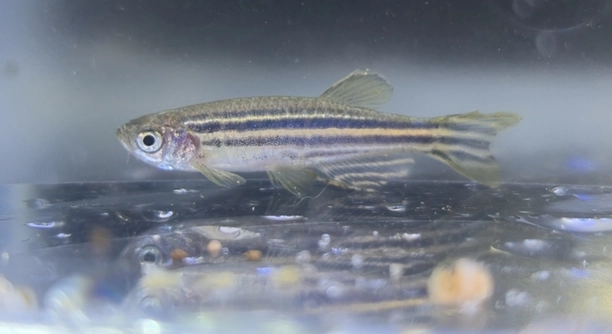
Zebra Danios are a popular choice for aquariums due to their vibrant colors and active nature. However, breeding these fish requires specific conditions to be successful. Understanding these requirements is crucial for healthy offspring.
For successful breeding, Zebra Danios need stable water temperature, clean water, and a balanced diet. Adequate lighting, a spawning tank, and separation of males and females are also important to encourage natural breeding behavior and ensure healthy fry.
By creating the right environment, you can encourage your Zebra Danios to thrive. These steps will help you support their breeding process effectively.
Water Temperature and Quality
The ideal water temperature for breeding Zebra Danios ranges between 72°F and 78°F (22°C to 26°C). Too high or too low a temperature can cause stress, impacting their ability to breed successfully. Stable temperatures help maintain healthy metabolic processes for both males and females, encouraging active spawning.
Water quality is just as crucial. Regularly check the pH level, which should be between 7.0 and 8.0. Water should be clean with a good filtration system in place, as poor water quality can lead to infections and reduce the chances of successful breeding.
Maintaining optimal water conditions reduces stress and creates a more favorable environment for Zebra Danios. Regular water changes of 20-30% each week will keep the water fresh and support the health of both adult fish and any developing fry. Keep an eye on ammonia and nitrite levels, ensuring they stay as close to zero as possible. Regular monitoring will prevent potential issues and ensure your Zebra Danios thrive.
Food and Diet
A varied diet is key to healthy breeding. Feed your Zebra Danios high-quality, protein-rich foods, such as live or frozen brine shrimp and daphnia, to boost their breeding condition.
Dietary diversity plays a big role in preparing your fish for spawning. Protein-rich foods provide the nutrients necessary for energy, strength, and overall health, which are essential when they are preparing to breed.
Spawning Tank Setup
A separate spawning tank helps reduce stress and provides a controlled environment for the breeding process. The tank should be at least 10 gallons in size with fine-leaved plants or spawning mats. These give the fish a place to lay their eggs while providing shelter for the fry once hatched.
Ensure the spawning tank has gentle filtration to avoid disturbing the eggs, which can cause them to be swept away or damaged. A sponge filter works well because it is less powerful than standard filters, making it safer for the delicate fry. A light cycle of 12 hours on and 12 hours off helps simulate natural breeding conditions.
Place the breeding pair in the spawning tank when they are ready. Keep an eye on the water quality, making sure the parameters stay in line with what’s best for the Danios. If necessary, add a small amount of methylene blue to protect the eggs from fungus.
Male and Female Selection
Choosing the right male and female is important for breeding success. Look for active, healthy individuals. A good male will have bright colors and exhibit courtship behavior, while a healthy female should be round with eggs.
Males often chase females and display their colors to attract them. The female will respond by releasing eggs, and the male will fertilize them shortly after. It’s crucial to ensure that the female is fully mature and ready to spawn. A male that is too aggressive or stressed can disrupt this process, so monitor their behavior closely. Once the eggs are laid, remove the parents to avoid them eating the eggs.
Take time to observe the pair’s interactions before transferring them to the breeding tank. Avoid rushing the process to give the fish the best chance for successful reproduction.
Egg Care and Hatching
Once the eggs are laid, ensure they are not disturbed. Remove any uneaten food to prevent water contamination. The eggs will hatch in about 2-3 days, depending on the water temperature.
The newly hatched fry are very small and need special care. After hatching, ensure the water quality remains optimal and that the fry have a safe space to grow. They are fragile and should not be exposed to harsh conditions. Feeding them infusoria or egg yolk water initially will help them grow strong.
Fry Care
As the fry grow, they require appropriate care to thrive. Start by feeding them infusoria, then progress to baby brine shrimp as they grow larger. Fry should be fed small amounts multiple times a day to ensure they receive enough nutrients for proper development.
The tank should be kept clean, with frequent water changes to remove excess waste and prevent algae growth. A sponge filter will help maintain water quality without harming the delicate fry. If you notice any deformities or weaknesses in the fry, remove them immediately to prevent them from affecting the others.
Monitoring Growth
Growth rates vary among fry, so monitor them carefully. By the time they are about two weeks old, you can start introducing larger foods like finely crushed flakes. It’s important to adjust their diet as they grow to ensure they receive proper nutrition.
FAQ
What temperature should the water be for breeding Zebra Danios?
The water temperature should be maintained between 72°F and 78°F (22°C to 26°C). Consistency is key, as drastic changes in temperature can stress the fish and impact their breeding success. Ensure that the temperature is stable to create the best environment for the fish to breed.
How do I tell when my Zebra Danios are ready to breed?
Male Zebra Danios will display brighter colors and become more active when they are ready to breed. Females, on the other hand, will develop a rounder belly as they fill with eggs. You can usually spot a female’s readiness by observing her appearance and behavior. Males will chase females, showing off their vibrant colors as part of their courtship.
How many eggs can a Zebra Danio lay?
A female Zebra Danio can lay between 100 to 300 eggs in a single breeding session. These eggs are usually spread out across plants or other surfaces in the breeding tank. However, not all eggs will hatch, and some may be eaten by the parents or other fish in the tank.
What should I do if the parents eat the eggs?
If the parents eat the eggs, it’s often because they are not in a stress-free environment. To prevent this, remove the adults after they’ve finished spawning. Another option is to use a breeding box or net to separate the parents from the eggs. Some fish are naturally inclined to eat their eggs, so it’s important to monitor the situation closely.
How long does it take for Zebra Danio eggs to hatch?
The eggs will typically hatch within 2-3 days if the water temperature is ideal, around 74°F to 78°F (23°C to 26°C). After hatching, the fry will remain attached to the bottom or plants for a while before swimming freely. The exact time can vary slightly depending on the water conditions.
What should I feed my Zebra Danio fry?
Zebra Danio fry require small, nutrient-rich food to grow properly. Start by feeding them infusoria or egg yolk water. As they grow, you can gradually introduce baby brine shrimp, rotifers, or finely crushed fish flakes. Small portions of food several times a day are important for their growth and health.
Do I need to separate the male and female Zebra Danios after spawning?
Yes, it’s recommended to remove the male and female from the spawning tank after the eggs are laid. This helps reduce stress on the fish and prevents them from eating the eggs. If left together, the parents may also consume the newly hatched fry.
Can Zebra Danios breed with other fish species?
Zebra Danios are not known to breed with other species naturally. They require other Zebra Danios to reproduce. Crossbreeding with other fish species is unlikely and would typically result in unhealthy or infertile offspring. To breed them successfully, keep only Zebra Danios of compatible sex together.
How do I know if my Zebra Danios are healthy enough to breed?
Healthy Zebra Danios show clear, vibrant colors, and are active swimmers. They should not display signs of illness, such as lethargy or faded coloration. Healthy fish are well-fed and live in stable water conditions. A balanced diet, proper water temperature, and good water quality are essential for their health and breeding success.
Is there a way to prevent my Zebra Danios from breeding?
If you don’t want your Zebra Danios to breed, you can prevent them from doing so by separating the males and females or adjusting the water temperature. Reducing the amount of light in the tank or lowering the water temperature can also reduce their breeding behavior. However, some fish may still attempt to breed if the conditions are right.
Can I breed Zebra Danios in a community tank?
Breeding Zebra Danios in a community tank is possible, but it’s more difficult. Other fish may eat the eggs or fry, or stress the breeding pair. It’s best to use a separate breeding tank where you can control the environment and ensure the eggs are safe from being eaten. A community tank with peaceful tank mates may work if there is a lot of plant cover and hiding spots for the fry.
How often can Zebra Danios breed?
Zebra Danios can breed every few days, but it’s important not to overbreed them. Frequent spawning can be stressful, so it’s best to allow them to rest between breeding sessions. Spawning once a week is generally manageable for the fish. Allow them time to recuperate between sessions to ensure they remain healthy and strong.
What is the best way to raise the fry once they’ve hatched?
Once the fry hatch, ensure the water remains clean and stable. Provide fine food and a safe environment. As they grow, continue to monitor their progress and adjust their diet to suit their size. You can start adding larger foods like baby brine shrimp once they are big enough.
Final Thoughts
Breeding Zebra Danios requires careful attention to their environment and needs. By setting up a proper spawning tank, ensuring the water conditions are ideal, and selecting healthy male and female fish, you increase the chances of a successful breeding process. It’s important to keep the tank clean, monitor water quality, and provide the right conditions for both the eggs and fry to thrive. Removing the adults after spawning helps prevent them from eating the eggs and gives the fry a better chance of survival.
Raising the fry also comes with its own set of challenges. It’s essential to provide appropriate food for the fry as they grow, starting with infusoria and moving to baby brine shrimp or crushed flakes as they become larger. Keeping the water quality stable and ensuring the fry have enough space to swim freely are key components in ensuring they grow healthy and strong. Patience is necessary throughout this process as it takes time for the fry to reach maturity, but the effort can be rewarding.
Finally, understanding that breeding Zebra Danios is a delicate process that requires careful planning and monitoring is crucial. If you follow the right steps—such as providing the proper breeding tank, feeding the fry appropriately, and keeping stress levels low—you’ll improve your chances of success. With the right care and attention, your Zebra Danios can successfully breed, and the fry can grow into strong, healthy fish.

Hello,
If you enjoy the content that we create, please consider saying a "Thank You!" by leaving a tip.
Every little bit helps us continue crafting quality advice that supports the health, happiness, and well-being of pets around the world, for pets of all shapes, sizes, and species.
We really appreciate the kindness and support that you show us!