
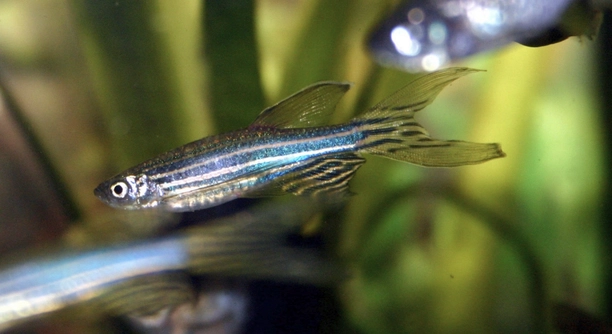
Zebra Danios are popular aquarium fish known for their active nature and vibrant stripes. However, like any pet, they can face health challenges. Recognizing early signs of disease can help keep them healthy and happy.
Zebra Danios are susceptible to several common diseases, including ich, fin rot, and fungal infections. Identifying symptoms early, such as abnormal swimming, loss of color, or lesions, can prevent further complications and improve recovery chances.
Knowing the signs of common diseases can help you react quickly and ensure your fish’s well-being. Understanding these conditions will support your Danios’ health and longevity in the aquarium.
Ich (White Spot Disease)
Ich is a common disease caused by a parasite that affects Zebra Danios. It is easy to spot because it causes tiny, white spots to appear on the fish’s skin, fins, and gills. These spots look like grains of salt and can be seen clearly on a fish with a light-colored body. In addition to the spots, infected fish may display abnormal swimming behavior, rubbing against objects, or rapid gill movement.
Ich spreads quickly in an aquarium, so it’s essential to act fast. The infection is usually treated by raising the water temperature and using medication designed to kill the parasite. Keeping the aquarium clean and quarantining new fish before introducing them can help prevent outbreaks.
If left untreated, Ich can lead to death due to severe irritation and damage to the fish’s skin and gills. If you notice any of the early signs, it’s crucial to treat the tank immediately and isolate the affected fish to avoid spreading the disease to others.
Fin Rot
Fin rot is another common issue in Zebra Danios. This disease is usually caused by bacteria, and it leads to the fins becoming frayed, discolored, and deteriorating. Poor water quality, stress, or injury can make Danios more susceptible to fin rot. When you see signs like fading or decaying fins, it’s important to act quickly to prevent the disease from worsening.
To treat fin rot, improving the water quality is key. Ensure the tank is properly filtered and that the water parameters, such as pH and temperature, are within the ideal range for Zebra Danios. Using antibacterial treatments can also help eliminate the infection.
If left untreated, fin rot can lead to severe tissue loss and, in some cases, death. It’s crucial to monitor your fish closely and act immediately at the first sign of damage. Regular water changes and maintaining a stress-free environment will also help prevent future outbreaks.
Fungal Infections
Fungal infections in Zebra Danios can happen when there are wounds or abrasions on their skin. Fungi, such as the Saprolegnia species, infect these areas and create fluffy, cotton-like growths. This condition often develops in dirty tanks or when fish are injured by sharp objects or poor handling.
These infections are treatable with antifungal medications available at pet stores. To prevent fungal growth, maintaining a clean tank and reducing stress is essential. Regular water changes and keeping the tank temperature stable also help to limit fungal growth. If a fish shows signs of fungal infection, isolating the affected fish and improving water conditions is critical.
Though fungal infections are treatable, they can be fatal if not addressed quickly. Always be proactive in maintaining a healthy environment for your Zebra Danios to reduce the risk of such infections.
Velvet Disease
Velvet disease is another parasite-related issue that can affect Zebra Danios. It appears as a dusty, golden or bronze-colored film on the fish’s skin. This parasite is difficult to see at first, but as it progresses, the affected fish may scratch against objects and exhibit labored swimming.
Treating Velvet disease requires specific medications that target the parasite. Lowering the tank’s lighting for a while can also help, as the parasite thrives in bright light. Additionally, raising the temperature slightly speeds up the life cycle of the parasite, making treatment more effective.
If Velvet disease is left untreated, it can severely damage the fish’s skin and gills, leading to respiratory issues and death. The key to preventing this disease is maintaining excellent water quality and quarantine practices for new fish entering the tank. Always monitor your fish for any signs of illness and act quickly.
Swim Bladder Disease
Swim Bladder disease affects the ability of Zebra Danios to maintain buoyancy in the water. Fish with this issue may float to the surface or sink to the bottom. They may also swim sideways or upside down, showing signs of imbalance. This disease can be caused by a variety of factors, including poor diet, constipation, or infection.
Treatment for Swim Bladder disease often involves adjusting the fish’s diet. Offering high-fiber foods, like peas, can help relieve constipation, which is a common cause. In more severe cases, antibiotics may be needed if the issue is due to an infection.
To prevent Swim Bladder disease, ensure a balanced diet for your Danios and avoid overfeeding. You can also try fasting your fish for a day or two to help clear any blockages. Regular water changes will also keep the tank environment healthy and prevent issues.
Dropsy
Dropsy is a condition where a Zebra Danio’s body becomes swollen and bloated. This often results in raised scales, making the fish look like a pinecone. The swelling is typically caused by internal organ failure, which could be the result of a bacterial infection or poor water quality.
Treatment for Dropsy is difficult and often requires antibiotics to fight the infection. Unfortunately, the disease can be fatal if not addressed quickly. It’s essential to quarantine the affected fish to prevent the spread of bacteria. Improving the water conditions is crucial in helping prevent further health issues.
If the infection progresses too far, it may be too late for treatment, making early detection essential. Keeping water parameters stable and performing regular water changes can reduce the risk of Dropsy developing in your tank.
Cotton Wool Disease
Cotton Wool Disease is caused by fungal infections, and it appears as white, fluffy patches on the skin and fins of Zebra Danios. It usually appears in areas where the fish has been injured or has weak immune defenses. This condition often follows injuries, making the fish more vulnerable to infection.
Treatment typically involves using antifungal medication and isolating the affected fish. It’s important to maintain good water quality and monitor for any other signs of stress or injury. If not treated promptly, Cotton Wool Disease can spread and damage the fish’s body significantly.
External Parasites
External parasites like lice and gill flukes can cause irritation and discomfort to Zebra Danios. Symptoms include excessive rubbing against objects, clamped fins, and visible parasites on the body or gills. These parasites can cause severe stress and may lead to more serious health problems if untreated.
To treat external parasites, you can use antiparasitic medications that are effective against these specific pests. It’s important to treat the whole tank to prevent reinfection, especially if you notice multiple fish showing symptoms. Additionally, quarantining new fish before introducing them to your main tank can help prevent the introduction of parasites.
FAQ
What are the most common diseases Zebra Danios get?
Zebra Danios are prone to several diseases, including Ich (white spot disease), fin rot, fungal infections, Velvet disease, and Swim Bladder disease. These conditions are often linked to poor water quality, stress, or the presence of parasites and bacteria. Identifying these diseases early can prevent them from spreading and causing severe damage.
How do I treat Ich in Zebra Danios?
To treat Ich, raise the water temperature by 2-3°F to speed up the life cycle of the parasite. Use an Ich treatment medication available at pet stores. The treatment needs to be applied for several days, and the tank’s water should be kept clean. Quarantining affected fish is essential to avoid spreading the parasite to others.
What causes fin rot in Zebra Danios?
Fin rot is usually caused by bacterial infections that thrive in poor water conditions or after the fish experience stress or injury. It leads to the deterioration and discoloration of the fins. To treat fin rot, improve water quality by doing regular water changes, using a filter, and applying antibacterial medication.
Can Velvet disease be treated?
Yes, Velvet disease can be treated with medications designed specifically for this parasite. Reducing the tank’s lighting for a period can also help, as the parasite thrives in bright environments. It’s important to act quickly to prevent the parasite from damaging the fish’s skin and gills, which could lead to death.
How can I prevent Swim Bladder disease in Zebra Danios?
Swim Bladder disease can be prevented by feeding your Danios a balanced diet and avoiding overfeeding. Constipation is a common cause, so offering high-fiber foods like peas may help. Additionally, providing a stress-free environment and ensuring clean water can help reduce the risk of the condition developing.
What is Dropsy, and how do I treat it?
Dropsy is a condition where a Zebra Danio’s body swells up, often with raised scales. It’s caused by internal organ failure due to bacterial infections or poor water quality. Treatment usually involves antibiotics, but it’s often too late if the condition progresses too far. Early detection is crucial to giving the fish the best chance of recovery.
What is Cotton Wool Disease?
Cotton Wool Disease is a fungal infection that appears as fluffy white patches on the skin or fins of Zebra Danios. It usually occurs after an injury, which weakens the fish’s immune system. Treatment involves antifungal medication, and maintaining excellent water quality is essential to prevent this disease.
How can I prevent fungal infections in Zebra Danios?
To prevent fungal infections, maintain a clean tank environment with stable water parameters. Regular water changes and avoiding overcrowding will reduce stress on your fish. Make sure to treat any injuries quickly and ensure proper filtration in the tank to prevent the buildup of harmful pathogens.
What are the signs of external parasites on Zebra Danios?
External parasites can cause Zebra Danios to rub against objects, have clamped fins, or display visible spots or lesions. Lice and gill flukes are common parasites that affect the skin and gills, causing irritation. It’s important to use antiparasitic medications to treat and eliminate the parasites from the tank.
Can Zebra Danios recover from a bacterial infection?
Zebra Danios can recover from bacterial infections if they are treated early. Antibiotics are usually effective in treating bacterial infections, but it’s important to keep the water quality high and avoid stress in the tank. A clean environment and quarantine of sick fish can prevent the infection from spreading.
How often should I check my Zebra Danios for diseases?
It’s a good idea to check your Zebra Danios daily for any signs of illness. Early detection of symptoms like changes in behavior, appearance, or swimming patterns can make a big difference in treatment success. Regular tank maintenance, including water changes and checking filtration, will help prevent many diseases.
How do I know if my Zebra Danio is stressed?
Stress in Zebra Danios is often indicated by erratic swimming behavior, loss of color, or hiding. Stress can be caused by poor water quality, overcrowding, or aggressive tank mates. Keeping your tank well-maintained and avoiding sudden changes in temperature or water conditions can help reduce stress.
What should I do if my Zebra Danio has visible wounds or sores?
If your Zebra Danio has visible wounds or sores, it’s important to isolate the affected fish to prevent any potential infections from spreading. Clean the tank, and keep the water quality at optimal levels. You may need to use antibacterial or antifungal treatments depending on the type of injury.
Can I use aquarium salt to treat Zebra Danio diseases?
Aquarium salt can be helpful in treating certain conditions, such as external parasites or mild fungal infections. It works by promoting mucus production, which helps protect the skin. However, not all diseases can be treated with salt, so it’s important to identify the condition correctly and choose the right treatment.
Why is my Zebra Danio swimming upside down?
If your Zebra Danio is swimming upside down, it may have Swim Bladder disease. This condition affects the fish’s ability to control its buoyancy. It can be caused by constipation, infection, or poor water conditions. Adjusting the diet and water quality can help treat this condition.
How do I maintain water quality for healthy Zebra Danios?
To maintain good water quality, perform regular water changes of 25-30% every week. Keep the filtration system running efficiently and test the water for ammonia, nitrite, nitrate, pH, and temperature. Maintaining a stable environment with the right water parameters is key to keeping your Zebra Danios healthy.
Can new fish carry diseases to my Zebra Danios?
Yes, new fish can bring diseases into your tank if not quarantined first. It’s important to keep new fish in a separate quarantine tank for at least two weeks before introducing them to the main tank. This practice helps ensure that any potential diseases do not spread to your Zebra Danios.
What temperature is best for Zebra Danios?
Zebra Danios thrive in water temperatures between 65°F and 75°F (18°C to 24°C). Keeping the water within this range will ensure that your fish remain active and healthy. Avoid sudden temperature fluctuations, as they can cause stress and make your Danios more susceptible to illness.
Caring for Zebra Danios involves more than just feeding them and keeping them in a nice tank. Understanding the common diseases they can get, along with their signs and symptoms, is an essential part of their overall care. Whether it’s noticing the white spots of Ich, the bloating from Dropsy, or the loss of fins from fin rot, recognizing the early signs of illness can make a big difference in your Danios’ health and recovery. Timely intervention helps prevent diseases from spreading or getting worse, ensuring your fish live longer, healthier lives.
Maintaining a clean environment is key to preventing many of these illnesses. Regular water changes, keeping the right water temperature, and ensuring proper filtration can go a long way in avoiding health issues. Stress, poor water quality, and injuries are often the root causes of many Zebra Danio diseases. By creating a stable, stress-free environment, you can minimize the risk of infections and diseases that affect these fish. Always keep an eye on your fish for any behavioral changes or physical signs that may point to illness.
When it comes to treatment, it’s important to act quickly and properly. Different diseases require different types of treatment, whether it’s medications for parasites or adjusting the diet for Swim Bladder disease. If you catch a disease early, treatment is more likely to be successful. Always remember that quarantining sick fish, improving water conditions, and keeping the tank clean can help in both preventing and managing common health problems. By staying vigilant and providing the best care possible, your Zebra Danios can thrive and stay healthy in their tank.

Hello,
If you enjoy the content that we create, please consider saying a "Thank You!" by leaving a tip.
Every little bit helps us continue crafting quality advice that supports the health, happiness, and well-being of pets around the world, for pets of all shapes, sizes, and species.
We really appreciate the kindness and support that you show us!