
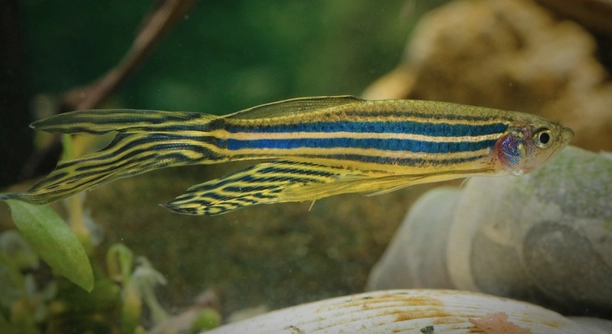
Zebra Danios are popular aquarium fish, known for their vibrant colors and lively behavior. However, if one goes missing, it can cause concern for any fish owner. Knowing what to do next is essential.
The first step is to carefully check the aquarium for any hiding spots. Zebra Danios often seek shelter in plants, decorations, or the substrate. If you don’t find them, ensure your water conditions are optimal and check for any potential escape routes.
It’s important to stay calm and methodical in your search. This will help you resolve the situation more efficiently and keep your other fish safe and healthy.
Searching the Tank Thoroughly
After ensuring that your zebra danio is missing, begin by inspecting every corner of the tank. Check behind and inside decorations, rocks, and plants, as these fish are quick to find hiding spots. They may not always be visible if they feel stressed, ill, or threatened. Look at the substrate and any caves or tunnels within the tank. Small gaps between equipment, like filters or heaters, are also areas where they could have gotten stuck. A thorough visual search will give you a better understanding of whether your fish is truly missing or just hiding.
Sometimes, fish are great at camouflaging and blending in with their environment. A close inspection may reveal your zebra danio wedged between objects, making it hard to spot at first glance.
If you do not locate the fish, checking water parameters is the next step. Poor water quality may contribute to unusual behavior. It can also help to make sure there are no gaps in the tank that would allow for the fish to escape.
Check Water Conditions and Temperature
A sudden drop or increase in water temperature can stress fish, making them hide. Ensure that the water temperature is stable within the range appropriate for zebra danios, typically 64 to 75°F. Changes in temperature can lead to erratic behavior and a tendency to seek shelter. Check the tank’s pH levels, ammonia, and nitrite readings. A spike in ammonia or nitrites can severely affect fish health and lead to hiding behavior. Additionally, if your tank is overcrowded, it can increase stress and provoke a similar response. Addressing any imbalances in the tank can help return your fish to normal activity.
By ensuring the water conditions are optimal, you’ll create a better environment for your zebra danio, improving the chances of it reappearing or being more active if it’s hiding.
Searching Outside the Tank
If you can’t find your zebra danio in the tank, it might have jumped out. Start by checking around the tank’s edges, as fish can easily leap onto surfaces. Look under any decorations or equipment surrounding the tank, and check the floor around the aquarium. Fish are sometimes found resting in hidden corners nearby. If the fish is out of the water for too long, it will not survive, so act quickly. Checking for possible escape routes, like gaps in the tank lid or cracks in the aquarium, is also essential.
If your zebra danio has indeed escaped, take immediate action to prevent the loss of other fish. Ensure the tank’s lid is securely fastened to avoid future incidents. Sometimes, adding mesh or other coverings can prevent fish from leaping out. While it may be too late for the escaped fish, ensuring the safety of the remaining fish should be a top priority.
Investigating Potential Predators
Check the tank for any potential predators that could have attacked the zebra danio. Larger fish or aggressive species may view smaller fish as food. Assess the behavior of other tank mates, especially if they have a history of aggression. You may notice signs of bullying, like nipping or chasing. If the danio was vulnerable, it may have been targeted by a more dominant fish. Even if no obvious aggression occurs, the stress from other tank mates could be enough to cause the zebra danio to hide or flee.
Consider the dynamics in your aquarium. Adding new fish or adjusting the tank’s layout might reduce tension between tank mates. Always research the compatibility of species to ensure peaceful coexistence. Reducing aggression not only prevents potential harm to your zebra danio but also creates a healthier environment for all your fish.
Checking for Illness or Injury
If your zebra danio has been hiding or missing for some time, it could be due to illness or injury. Sick fish often isolate themselves to recover, or they may find places to hide in the tank. Look for signs like faded colors, lesions, or abnormal swimming behavior.
If the fish is injured or ill, it may not be able to defend itself or act normally. The best approach is to check for any symptoms of diseases common to zebra danios, such as fin rot or fungal infections. Ensure the rest of your fish show no signs of illness.
Consider the Tank Size
Zebra danios are active swimmers that require enough space to thrive. If the tank is too small or overcrowded, it may contribute to the fish’s stress or hiding behavior. Ideally, the tank should be at least 10 gallons for a small group of danios.
A cramped environment can lead to territorial disputes and limit the space your zebra danio has for swimming and exploring. This can cause them to hide more frequently. Ensuring the tank is appropriately sized helps reduce stress and makes the fish feel more secure, improving overall well-being.
FAQ
Why is my zebra danio hiding all of a sudden?
Zebra danios often hide when they feel stressed, threatened, or unwell. A sudden change in the tank environment, like a new fish, water temperature shifts, or poor water quality, could cause them to seek shelter. Illness or injury might also be factors. Ensure the tank conditions are stable and check the fish for any signs of disease or injury.
Can zebra danios jump out of the tank?
Yes, zebra danios are known to jump out of their tanks, especially if there are gaps or an unsecured lid. They are small, active fish that may attempt to escape if they feel stressed or overcrowded. It’s important to make sure the tank is covered with a properly fitting lid or mesh to prevent this.
What is the ideal tank size for zebra danios?
Zebra danios need enough space to swim and explore. A minimum of 10 gallons is recommended for a small group of zebra danios. If the tank is too small or overcrowded, it can lead to stress and hiding behavior. More space encourages natural behavior and helps maintain water quality.
How can I tell if my zebra danio is sick?
Look for signs like faded colors, clamped fins, unusual swimming patterns, or visible lesions. If your zebra danio seems lethargic or refuses to eat, it could indicate a health issue. It’s important to isolate sick fish and adjust the water conditions if necessary. Regular observation helps catch problems early.
Do zebra danios need to be kept in groups?
Yes, zebra danios are social fish and thrive when kept in groups. A group of at least 5-6 danios helps reduce stress, as they feel more secure when surrounded by others. Keeping them in groups also encourages natural schooling behavior, which is vital for their mental and physical health.
Can zebra danios live with other fish?
Zebra danios are generally peaceful and can live with many other species. However, avoid keeping them with aggressive or overly large fish that might bully them. Fish like guppies, tetras, and other peaceful species make good tankmates. Always research compatibility before adding new fish to the tank.
How often should I feed my zebra danio?
Feed your zebra danio once or twice a day, offering only as much food as they can eat in a few minutes. Overfeeding can lead to water quality issues. A balanced diet of high-quality flake food, supplemented with live or frozen foods, ensures they stay healthy and active.
What is the lifespan of a zebra danio?
Zebra danios typically live for around 2-3 years, though with proper care, they can live up to 5 years. Factors like water quality, tank conditions, and diet all play a role in their lifespan. Regular maintenance and proper care will help maximize their longevity.
Do zebra danios need special lighting?
Zebra danios do not require special lighting, but they do benefit from a regular light cycle. Providing a day and night cycle of 12-14 hours of light followed by 10-12 hours of darkness helps maintain their natural rhythms. Avoid overly bright or intense lighting, as it can stress them out.
How can I make sure my zebra danios are happy?
To keep your zebra danios happy, ensure they have enough space to swim and explore. Provide plants, rocks, and other hiding spots in the tank. Keep the water conditions stable, with regular water changes and appropriate temperature and pH levels. A balanced diet and good tankmates also contribute to their well-being.
Is it normal for zebra danios to swim at the surface?
Yes, zebra danios are often seen swimming near the surface of the water, especially during feeding times. They are active swimmers and will spend time exploring all areas of the tank. If they’re spending a lot of time near the surface or gasping for air, however, it could indicate oxygen issues in the tank.
Can zebra danios breed in a home aquarium?
Yes, zebra danios can breed in a well-maintained home aquarium. They are egg layers, and breeding can occur with a male and female in a properly set-up tank. If you’re interested in breeding them, provide plenty of plants for the eggs to rest on and maintain stable water conditions.
Final Thoughts
Finding a missing zebra danio can be stressful, but there are several steps you can take to locate it. First, check the tank thoroughly, looking for any areas where it might be hiding or stuck. Ensure there are no gaps in the tank’s lid, as zebra danios are known to jump out. If you can’t find it inside, look around the area where the tank is placed, especially under furniture or equipment nearby. Taking quick action and thoroughly searching is important, as fish that escape the tank can quickly dry out and die if not found in time.
It’s also important to consider the health and well-being of the remaining fish in the tank. If your zebra danio has gone missing due to illness or injury, it’s vital to check the tank for any signs of disease or aggression. Stress caused by aggressive tank mates or poor water quality could also be contributing factors. If the tank environment is overcrowded or the water parameters are off, your remaining fish may begin to show signs of stress as well. By addressing any potential issues in the tank, you can create a healthier environment for the rest of your fish.
Lastly, prevention is key. Taking steps to ensure your zebra danios are safe from harm can save you from similar situations in the future. Make sure your tank is properly maintained, with secure lids, appropriate tank mates, and plenty of space. Keeping water quality at optimal levels and watching for signs of stress or illness in your fish will help prevent unexpected disappearances. A peaceful and secure tank is the best way to promote a healthy and happy environment for your zebra danios.

Hello,
If you enjoy the content that we create, please consider saying a "Thank You!" by leaving a tip.
Every little bit helps us continue crafting quality advice that supports the health, happiness, and well-being of pets around the world, for pets of all shapes, sizes, and species.
We really appreciate the kindness and support that you show us!