
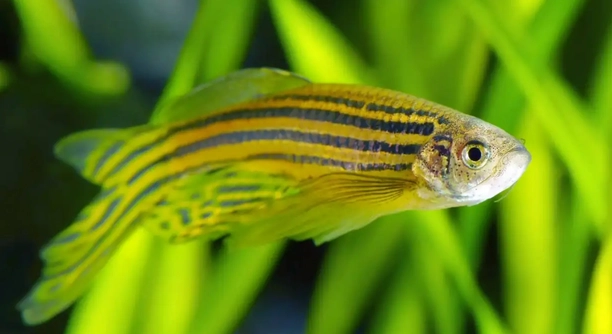
Zebra Danios are lively fish that often chase each other around their tank. You may notice this behavior and wonder what’s behind it. Understanding the reasons behind their constant chasing can help improve their care and environment.
The primary reason Zebra Danios chase each other is related to natural behaviors, such as establishing dominance, mating rituals, or simply engaging in playful activity. These interactions are typical among Danios and are part of their social structure and natural instincts.
These factors might seem simple, but there’s more happening behind the scenes. By understanding the causes, you can better care for your Zebra Danios and ensure they thrive in their aquarium environment.
Natural Social Behavior
Zebra Danios are naturally active and social fish. Their constant chasing is often part of how they communicate and establish their social roles within the group. Danios are schooling fish, which means they tend to form groups. In these groups, they establish pecking orders. Chasing one another helps them figure out who is dominant, who is submissive, and how to interact within the group. It’s a normal part of their socialization process. This chasing isn’t always a sign of aggression; rather, it’s a way of working out social structures.
Chasing can also be linked to their need for exercise. Zebra Danios are energetic and need to move around to stay healthy. By swimming fast and engaging in such behaviors, they maintain their physical health.
Understanding this helps create a more natural and comfortable environment for them. The key is recognizing that this behavior is rooted in their instincts to socialize, stay active, and be in a stable environment.
Breeding and Reproduction
During breeding season, Zebra Danios display heightened chasing behavior. This time is crucial for males as they chase females in an attempt to attract them for mating. These chasing activities can seem intense, but they are part of the reproductive ritual. Females will often swim away to avoid the males, while the males chase them persistently. This chasing is driven by the instinctual need to reproduce, which is a strong motivator for Danios.
Breeding behavior can vary depending on environmental factors such as temperature and the presence of suitable breeding spots. When water temperature increases, it signals the breeding season, and males become more aggressive in their pursuit. In these conditions, you might observe the males chasing the females more intensely, especially if the tank is large enough to allow these natural patterns to emerge.
This behavior may seem overwhelming at times, but it’s part of what keeps their population going. If you want to encourage breeding, providing a larger tank with plenty of hiding spots can help reduce stress for the females.
Territory and Space
Space is another key factor that can influence how often Zebra Danios chase each other. When there isn’t enough room for them to swim freely, they may start chasing each other more frequently. In the wild, Danios are used to having ample space to move around and establish their territories. If they feel crowded in their tank, they might engage in more chasing as a way of asserting their space and establishing dominance.
To minimize this, it’s important to ensure your tank is large enough to accommodate the number of fish you have. Overcrowding can lead to stress and aggression, which may increase chasing. A spacious tank with plenty of plants, rocks, or decorations can give each fish their own territory, reducing the frequency of this behavior.
Fish that feel secure in their environment are less likely to engage in constant chasing. Providing a proper balance of space and hiding places allows your Danios to express themselves naturally while reducing unnecessary stress. This setup ensures they remain healthy and comfortable.
Stress and Anxiety
Stress can also lead to excessive chasing behavior in Zebra Danios. If there are sudden changes in their environment, such as water temperature fluctuations or poor water quality, Danios may become stressed. This can cause them to become more active and start chasing each other more frequently.
If you notice increased chasing in your tank, it could be a sign that the water conditions need attention. Testing for ammonia, nitrites, and nitrates regularly can help keep the environment stable. In addition, changes in lighting or adding new fish to the tank can also disrupt their sense of security, leading to anxiety.
Managing stress involves creating a stable and consistent environment. Regular water changes and a consistent feeding schedule can help ease their anxiety. If chasing continues despite a stable tank, it may be worth exploring other potential causes, like aggression or mating behavior. Stress management is key for their long-term health.
Tank Mates and Compatibility
Tank mates play a significant role in Zebra Danios’ behavior. When housed with more aggressive fish, Danios may feel threatened and chase each other more often. They are generally peaceful, but a tense or hostile tank environment can trigger more active chasing.
It’s important to choose tank mates carefully. Zebra Danios do well with other non-aggressive species that share similar water requirements. Avoid adding overly territorial or large fish, as this may cause stress and aggression among your Danios. A peaceful community tank promotes harmony and reduces chasing behavior.
Maintaining compatibility with other fish is crucial. If the tank mates are peaceful and share the same needs, Zebra Danios are less likely to act out. If conflicts arise, separating the aggressive fish or adjusting the tank’s layout might be necessary to reduce stress and chasing.
Feeding and Overeating
Feeding can also influence chasing behavior in Zebra Danios. If they aren’t getting enough food or if feeding times are inconsistent, they may become more competitive and chase each other. This is especially common when fish are fed too little or when food is introduced unevenly.
To prevent this, make sure to feed them at consistent times and provide the right portion sizes. Overfeeding can cause more issues than underfeeding, leading to water quality problems and competition. Healthy feeding habits will help reduce unnecessary chasing and allow your fish to focus on other activities.
Water Temperature and Conditions
Water temperature and conditions greatly impact the behavior of Zebra Danios. They thrive in temperatures between 65°F and 75°F, and sudden changes in temperature can cause stress, leading to chasing behavior. It’s important to keep the tank water stable.
If water temperature fluctuates, or if it’s too warm or cold, Danios might act out by chasing each other. Invest in a reliable heater to keep temperatures consistent, and test the water regularly to ensure the conditions remain within the optimal range. Stable water quality and temperature will reduce stress and improve overall behavior.
Lighting and Day/Night Cycles
Lighting is another factor that can impact chasing behavior. Zebra Danios are sensitive to light, and a poorly lit tank or irregular light cycles can cause anxiety. When the lighting is too bright or too dim, it may cause them to feel insecure, leading to chasing.
Providing consistent light and dark cycles helps Zebra Danios maintain their natural rhythm. A timer can be used to set the lights to turn on and off at regular intervals, simulating a day and night cycle. This ensures that the fish feel comfortable and can reduce unnecessary chasing.
FAQ
Why do Zebra Danios chase each other?
Zebra Danios often chase each other as part of their natural social behavior. In their group, they establish dominance through these chases. It’s also common during breeding seasons, where males chase females in an attempt to mate. If the behavior is happening consistently, it’s usually linked to their instinctual need for exercise, social interactions, or even territorial disputes.
Is constant chasing a sign of aggression in Zebra Danios?
Not necessarily. While it may seem like aggression, Zebra Danios are generally peaceful fish. Their chasing is more about establishing social structures or engaging in natural behaviors like mating rituals. However, if the chasing is particularly intense and results in injury, it could indicate stress or overcrowding. Monitoring their environment and tank conditions can help prevent any issues.
How can I reduce the chasing behavior in my Zebra Danios?
Reducing chasing can be done by providing a larger tank, ensuring a stable environment, and having enough hiding spots for your fish. Overcrowding can increase stress and lead to more chasing, so it’s important to avoid putting too many fish in one tank. Also, ensuring proper water conditions, stable temperature, and compatible tank mates can reduce unnecessary chasing behavior.
What kind of tank mates are best for Zebra Danios?
Zebra Danios do well with other peaceful fish species that have similar water needs. Small to medium-sized non-aggressive fish are ideal. Avoid larger or overly territorial species that might stress out the Danios. Some compatible tank mates include other Danios, tetras, and small gouramis.
How often should I feed my Zebra Danios to avoid chasing behavior?
Feeding your Zebra Danios at consistent times with appropriate portion sizes will help avoid competition for food. Overfeeding can lead to poor water quality, which might cause more stress, while underfeeding can cause them to compete more. A feeding schedule of once or twice a day with small portions is ideal. Make sure to remove any leftover food after a few minutes to prevent it from decomposing in the tank.
Can Zebra Danios chase each other when they’re hungry?
Yes, hunger can trigger more chasing behavior. If Zebra Danios aren’t getting enough food or if it’s being distributed unevenly, they may become more competitive and chase each other. This is their way of competing for resources. Ensuring regular and adequate feeding can help prevent this.
Does water quality affect chasing behavior in Zebra Danios?
Yes, poor water quality can lead to stress in Zebra Danios, which can result in increased chasing. Keeping the water clean and balanced is crucial. Regular water changes, checking ammonia, nitrite, and nitrate levels, and ensuring proper filtration will create a healthier environment and reduce chasing behavior.
Can changes in water temperature lead to more chasing in Zebra Danios?
Zebra Danios are sensitive to temperature changes. Fluctuations or extremes in temperature can stress them out, causing them to become more active, which can lead to increased chasing. It’s best to maintain a stable water temperature of around 65°F to 75°F. Using a heater and thermometer can help keep things consistent.
Do Zebra Danios chase each other when they’re stressed?
Yes, stress can make Zebra Danios more likely to chase each other. Stressors like poor water quality, sudden environmental changes, or conflicts with tank mates can cause them to act out. It’s important to identify and eliminate the cause of stress, whether it’s water conditions, overcrowding, or incompatible tank mates.
What is the best tank size for Zebra Danios to minimize chasing?
A larger tank can help reduce chasing by providing enough space for Zebra Danios to swim and establish their territories. A tank size of at least 20 gallons is recommended for a small school of Zebra Danios. More space allows them to spread out, reducing the chance of overcrowding and the resulting stress.
Can I stop Zebra Danios from chasing altogether?
It’s unlikely that you can completely stop Zebra Danios from chasing each other, as it’s part of their natural behavior. However, you can minimize excessive chasing by ensuring they are in a stable environment with enough space, appropriate tank mates, and proper water conditions. This will help reduce unnecessary stress and conflicts.
Is chasing a sign that my Zebra Danios aren’t happy?
Chasing is not necessarily a sign of unhappiness. As mentioned, it is often related to social interactions, mating, or establishing territories. However, if the behavior becomes aggressive, or if it leads to injuries or stress, it could indicate that something is wrong with their environment. Ensuring a proper setup and monitoring their behavior is key to ensuring their well-being.
Should I worry if my Zebra Danios are constantly chasing each other?
Constant chasing can be a concern if it leads to injury or stress. If the behavior is persistent and intense, it’s important to evaluate the tank’s environment. Check for overcrowding, water quality, and temperature fluctuations, and ensure your fish have enough space and compatible tank mates.
Final Thoughts
Zebra Danios are active and social fish, and chasing each other is a natural part of their behavior. Whether it’s for social reasons, to establish dominance, or as part of mating rituals, this behavior is typical for them. While constant chasing may seem concerning at first, it’s often not a sign of aggression but rather a way for them to express themselves. Understanding this can help you feel more at ease when you see your Danios chasing each other around the tank. It’s a part of their instinctual nature, and in most cases, it’s harmless.
That said, there are factors that can make the chasing more intense or problematic. Stress is a major contributor to excessive chasing, and things like poor water quality, overcrowding, or tank mates that don’t get along can lead to unnecessary tension. It’s important to maintain a healthy tank environment by keeping water quality stable, monitoring temperature, and ensuring your fish have enough space to swim freely. Also, regular feeding at consistent times will help reduce competition for food, which can sometimes cause more chasing behavior.
By paying attention to the conditions in your tank, you can help reduce any negative effects of chasing and make sure your Zebra Danios are happy and healthy. A balanced tank with plenty of space, suitable tank mates, and a consistent environment will go a long way in managing this behavior. While it’s natural for Zebra Danios to chase each other, creating a calm and stable environment can help ensure that this behavior doesn’t cause stress or harm.

Hello,
If you enjoy the content that we create, please consider saying a "Thank You!" by leaving a tip.
Every little bit helps us continue crafting quality advice that supports the health, happiness, and well-being of pets around the world, for pets of all shapes, sizes, and species.
We really appreciate the kindness and support that you show us!