
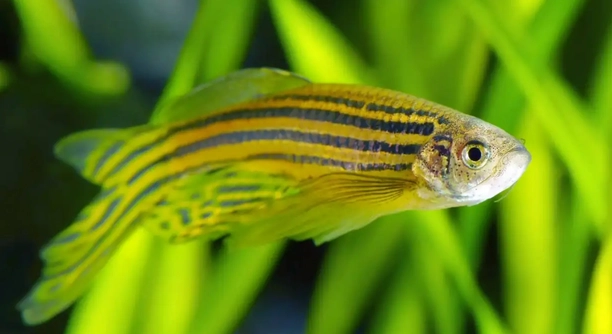
Have you ever noticed your zebra danio spending most of its time near the surface, acting a bit different from usual? This behavior can sometimes be worrying, especially if you’re unsure what’s causing the change.
Zebra danios often hover at the surface due to poor water quality, low oxygen levels, or underlying illness. Identifying the exact cause requires careful observation of tank conditions, water parameters, and the fish’s physical appearance.
Learning what triggers this behavior can help you make important changes to your tank and keep your zebra danio safe and healthy.
Possible Reasons Your Zebra Danio Is Staying at the Surface
When a zebra danio stays near the surface all day, it usually means something in the tank isn’t right. One of the most common issues is low oxygen in the water. Fish go to the top where the oxygen is more concentrated when they can’t breathe properly below. Poor water quality can also be the reason—things like ammonia spikes, nitrite presence, or a sudden drop in temperature can make fish behave unusually. A clogged filter, overfeeding, or overcrowding the tank might also be adding to the stress. Sometimes, a danio may also hover at the surface due to illness, such as swim bladder problems, gill infections, or parasites. If you see signs like faded colors, clamped fins, or erratic swimming, those are signs of deeper health concerns. Identifying these patterns early can make a big difference in how well your fish recovers.
Check the water temperature and quality regularly. Use a reliable test kit and adjust levels if needed.
Try reducing food amounts, cleaning the tank more often, and watching for any odd behavior. If the problem continues, isolation or vet advice might help. Simple changes can often bring noticeable improvement and keep your fish active and comfortable in its tank.
How to Help Your Zebra Danio Feel Better
Start with testing the water for ammonia, nitrite, nitrate, and pH. Keep everything stable and within safe levels.
A zebra danio needs a well-maintained tank with proper circulation and oxygen levels. Add an air stone or adjust the filter flow to increase oxygen if needed. Make sure the tank isn’t too crowded, as overstocking lowers water quality fast. Feed small amounts once or twice a day and remove uneaten food. Clean the tank at least once a week, including a partial water change of around 25%. Use a heater to maintain a steady temperature between 72–78°F. If you notice signs of illness like white spots, ragged fins, or unusual swimming, consider isolating the fish and using proper treatment. Medicines like aquarium salt or specific disease treatments can help, but only after identifying what’s wrong. Avoid using treatments without confirming the issue first. Making these small adjustments and observing your danio closely can prevent surface hovering and support a healthier environment.
Common Mistakes That Make Things Worse
Topping off the tank with untreated tap water can bring in harmful chemicals like chlorine or heavy metals. This stresses your zebra danio even more and affects their breathing. Skipping regular water changes also leads to waste buildup and lower oxygen levels.
Feeding too often is another issue. Uneaten food breaks down and causes ammonia to spike, which harms water quality. Some people also forget to clean the filter or replace old media, which lowers the filter’s efficiency. Using a heater that fluctuates in temperature or placing the tank near windows can cause sudden changes in the water. These things stress the fish and make them more likely to stay at the surface. Overstocking the tank can also create space and oxygen issues. Keeping too many fish in a small tank adds waste faster than it can be handled, even with a good filter.
Ignoring early signs of stress can delay proper treatment. If a zebra danio is hovering near the surface, it might not eat well or interact normally with tankmates. Missing these signs often leads to more severe symptoms later. The longer you wait, the harder it is to fix the problem. Small issues turn into health risks quickly if not handled early.
What to Watch for Going Forward
Look for behavior that seems out of the ordinary, like staying still, darting around suddenly, or hiding more than usual. These changes often show up before visible signs of illness and can help you catch problems sooner.
Keep an eye on your zebra danio’s appetite, swimming patterns, and coloration. Sudden loss of color or clamped fins might point to stress or infection. Watch for breathing changes too—if the gills are moving fast or your fish is gasping near the surface, oxygen might be low. Test the water weekly, even if everything looks okay. Early detection saves a lot of trouble. Make sure equipment like heaters and filters are working well. If a fish keeps showing signs of distress, isolate it in a separate tank to avoid spreading illness. With regular care and attention, your zebra danio should remain active and healthy, swimming through the tank like normal.
Quick Fixes You Can Try Today
Add an air stone or increase the filter flow to help raise oxygen levels quickly. These small changes can make a big difference in how your zebra danio feels, especially if the water has been still or poorly circulated.
Do a partial water change of about 25% using treated water. This helps remove built-up waste and refreshes oxygen levels. Avoid overfeeding right after the change, and give your fish time to adjust before making any other changes.
When It’s Time to Ask for Help
If your zebra danio continues to hover at the surface after trying basic fixes, it may be time to speak with an aquatic vet or a knowledgeable local fish store. Persistent symptoms like pale color, bloating, frayed fins, or gasping mean something more serious could be going on. Bring a water sample for testing if you’re unsure about conditions. A second opinion can help spot something you may have missed, like parasites or bacterial infections. Don’t try random treatments without guidance—some medicines can make things worse. Getting expert help early can prevent the issue from getting worse and protect your other fish too.
Things to Avoid Doing
Don’t add new fish while your zebra danio is acting strange. This adds stress and increases the risk of spreading illness or upsetting the tank balance. Let your tank stabilize first before making changes.
FAQ
Can zebra danios get sick from bad water?
Yes, they can. Poor water conditions are one of the main reasons zebra danios get sick. High levels of ammonia, nitrite, or nitrate can cause stress and damage their gills, making it hard for them to breathe. If the water isn’t clean, your fish can develop health problems like fin rot, ich, or internal infections. Even if the water looks clear, it can still be harmful if it’s not properly balanced. Regular testing is important, and changing 20–25% of the water weekly can help keep levels safe. A dirty tank often leads to surface hovering and loss of appetite.
What temperature should I keep the tank at?
Zebra danios do best in water between 72°F and 78°F. Water that’s too cold can slow down their metabolism and make them more likely to get sick. On the other hand, if the water gets too warm, oxygen levels drop, which can cause them to stay near the surface. Use a reliable heater and thermometer to keep things steady. Avoid placing the tank near windows or heaters where temperature changes happen quickly. Stability is more important than the exact number, as sudden shifts can be stressful even if they stay within the right range.
Do zebra danios need a filter and air pump?
A filter is necessary for keeping the tank clean and the water moving. It helps remove waste, uneaten food, and harmful chemicals. Good water circulation also helps oxygen spread throughout the tank. While an air pump isn’t always required, it can be useful if the tank has low oxygen levels or poor surface movement. Adding an air stone can improve oxygen exchange and make a big difference if your fish seem to hang around at the top. Still, the filter alone is usually enough if it’s strong and working properly.
Is it okay to keep just one zebra danio?
No, zebra danios are social fish and need to live in groups of at least five or six. Keeping one alone can lead to stress, boredom, and strange behavior like surface hovering. They feel safer and more active in a group. A lonely danio might become aggressive or hide all the time. If you only have one, consider getting more as long as the tank is big enough. A 10-gallon tank is the bare minimum for a small group, but bigger is better. Social interaction is a key part of their well-being.
Why is my zebra danio swimming fast and then freezing?
This can be a sign of stress or discomfort. It might be reacting to poor water quality, sudden temperature changes, or loud noises near the tank. Sometimes, it can also be related to illness or pain. If this behavior keeps happening, test the water and observe other signs like faded colors or breathing problems. It could also mean the fish feels unsafe—maybe the lighting is too bright, or the tank setup doesn’t offer enough hiding places. Fixing the environment often helps the fish calm down and act normally again.
How can I tell if it’s a swim bladder issue?
Swim bladder problems usually make a fish float weirdly, tilt to one side, or struggle to stay balanced. If your zebra danio is stuck at the surface or sinking to the bottom but can’t stay in the middle, it might be the swim bladder. Overfeeding or gulping too much air can cause it, especially if the food floats too long. Try feeding peas (skinned and cooked) or switching to sinking pellets. If symptoms don’t improve after a day or two, isolation and gentle treatment may be needed. Avoid feeding for 24 hours before trying a special diet.
Can stress alone cause a zebra danio to hover at the top?
Yes, stress can definitely cause this behavior. Loud noises, sudden tank changes, aggressive tankmates, or even new decor can upset them. When stressed, they may swim oddly, breathe heavily, or hover near the surface. Keeping the tank calm and consistent helps reduce stress. Always introduce changes slowly and avoid reaching into the tank too often. Watch how your zebra danio responds to its surroundings. If you recently made a change and your fish started acting differently, it may be worth reversing or adjusting that change to see if things improve.
Final Thoughts
Keeping your zebra danio healthy starts with understanding its behavior. When a danio stays near the surface all day, it usually means something in the tank needs attention. This could be low oxygen, dirty water, or even stress from other fish or sudden changes in the tank. By watching closely and learning what’s normal for your fish, it becomes easier to notice when something is off. Zebra danios are active and social fish, so surface hovering should not be a regular behavior. Catching the issue early can help prevent it from becoming a serious problem.
A few simple steps can make a big difference. Testing your water weekly, doing regular water changes, and feeding the right amount can all help keep your fish in good shape. Using a filter that works well, keeping the tank clean, and maintaining the right temperature also matter. If you see signs like gasping, faded color, or clamped fins, those are worth checking right away. It’s also important to avoid overcrowding and to keep your zebra danio with peaceful tankmates. Making small adjustments to the tank can often solve the problem quickly. In many cases, just improving water quality is enough to help your fish return to its usual active self.
Sometimes, even with good care, problems still come up. That’s when it’s helpful to ask for advice from a vet who knows fish or a trusted aquarium shop. Avoid guessing or using treatments without knowing the cause. Some medications can be harmful if used the wrong way. If a fish is sick, isolation may help prevent spreading illness. The key is to stay calm and make changes one step at a time. Keeping zebra danios happy isn’t too hard once you know what they need. With some attention, a clean tank, and the right environment, your zebra danio will have the best chance to stay healthy and active.

Hello,
If you enjoy the content that we create, please consider saying a "Thank You!" by leaving a tip.
Every little bit helps us continue crafting quality advice that supports the health, happiness, and well-being of pets around the world, for pets of all shapes, sizes, and species.
We really appreciate the kindness and support that you show us!