
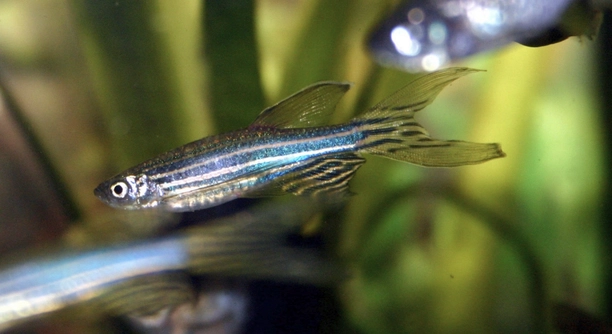
Have you ever noticed your zebra danios acting familiar toward certain fish and wondered if they recognize their tankmates over time?
Zebra danios are capable of recognizing and remembering familiar tankmates. This social recognition is supported by studies showing that they exhibit reduced aggression and more cohesive shoaling behavior when surrounded by known individuals.
Social memory in zebra danios adds an interesting layer to how they interact and form bonds, especially in a well-maintained tank environment.
How Memory Works in Zebra Danios
Zebra danios rely on a combination of visual cues and social interactions to recognize and remember their tankmates. In group settings, they display behaviors that show familiarity, such as tighter shoaling and reduced aggression. Research on zebrafish, a close relative, reveals that these fish can retain social memories for several days. This helps create a stable pecking order and improves group coordination. Such memory plays an essential role in stress reduction and communication, especially in smaller tanks where repeated contact with the same fish is common. If separated and then reunited with previous tankmates, zebra danios often return to their prior behavior patterns, indicating strong recall. These interactions help support their mental stimulation and promote a more peaceful environment. Memory, even on a basic level, plays an important part in how these small fish form connections. Their ability to recall familiar fish adds structure to their daily life in captivity.
They are naturally drawn to routine and familiar settings, which reinforces memory formation through repeated exposure.
Social memory strengthens their ability to interact peacefully. The more often they are exposed to the same fish, the better their recognition becomes. Visual differences like markings or swimming styles help them identify familiar individuals.
Why It Matters in a Home Aquarium
Zebra danios thrive best in stable groups where they feel safe. Introducing too many new fish can disrupt their routine and stress them out.
Keeping consistent groups of zebra danios supports a calm environment. This helps reduce fighting and encourages natural schooling behavior. These fish benefit from a familiar setting where they don’t constantly need to adjust to new individuals. If their companions are suddenly removed or changed too often, it can increase stress levels and lead to hiding or aggressive behavior. In community tanks, choosing tankmates with peaceful habits helps. When danios are kept with long-term companions, they build recognition and seem more relaxed. This can lead to better feeding habits and stronger immune responses, since they’re not using as much energy on stress. Stability supports mental stimulation and gives them a sense of predictability. You can support their memory by minimizing sudden changes and keeping social groups intact. Regular care, low-stress environments, and thoughtful tank planning are key to helping your zebra danios stay comfortable.
How to Support Social Memory in Zebra Danios
Keeping zebra danios in stable groups encourages recognition and reduces stress. Avoid frequent rehoming or reshuffling tankmates. Consistent lighting, feeding schedules, and tank layout also help maintain a familiar setting that strengthens memory.
Offering a predictable environment helps zebra danios maintain long-term social bonds. This means avoiding overcrowded conditions and limiting changes in their social group. If a fish becomes sick or is removed, try to return it quickly once it’s healthy. Avoid isolating individuals for long periods, as this can affect memory retention. When introducing new fish, do so gradually to reduce stress. Adding new tankmates in pairs rather than individually may help balance social interactions. Use tank decorations to create structure and reduce territory disputes. This makes the tank feel more stable and encourages natural behaviors. Consistency is key—familiarity leads to recognition, which supports a calm and balanced group.
Another way to support social memory is to avoid excessive tank rearrangements. Sudden shifts in their environment can disrupt familiar patterns and confuse the fish. Routine water changes, stable water parameters, and quiet surroundings help reinforce security. Loud noises or vibrations near the tank should be avoided. Feeding at the same time each day helps create routine and predictability. Over time, your zebra danios will associate daily rhythms with safety. This sense of order encourages social stability and can even improve how they interact with other fish. Creating a stress-free environment not only benefits memory but also boosts overall well-being and encourages more natural schooling behavior.
Signs They Remember Other Fish
Zebra danios often show recognition by swimming closer to known tankmates and forming tighter shoals. They may also avoid conflict with familiar fish, while displaying more dominant behavior toward newcomers.
Familiarity affects how zebra danios swim and interact. If a known tankmate is nearby, you may see smoother swimming patterns and synchronized movement. They often stick close to those they recognize, forming tight, organized shoals. When a new fish is added, danios tend to become more cautious, sometimes displaying chasing or testing behaviors. However, once they recognize the new fish as non-threatening, their behavior often shifts back to normal. Watch for sudden changes in schooling patterns. If one fish leaves the group or is ignored, it may indicate memory disruption or stress. Zebra danios don’t rely on sound or scent like some animals; instead, they observe movement, body shape, and swimming behavior to remember and respond to familiar fish in their environment.
How Long They Can Remember Tankmates
Zebra danios can remember familiar fish for several days, sometimes even longer in stable environments. Their memory is closely tied to consistent interaction, so keeping the same group together helps reinforce recognition and reduce social stress.
Separation may weaken their memory over time, but it doesn’t disappear instantly. If reunited within a few days, zebra danios often resume previous behaviors. Longer separations may lead to cautious or slightly aggressive behavior as they re-evaluate social bonds. Routine interactions help maintain memory and reduce the adjustment period.
Can They Forget a Tankmate?
Zebra danios can forget tankmates if separated for long periods or exposed to high stress. Lack of repeated interaction causes recognition to fade. Stressful changes in the tank, such as illness, overcrowding, or poor water quality, may also interfere with memory. Maintaining consistent social exposure is essential.
What This Means for Tank Setup
Design a calm, stable environment with minimal social disruptions. This supports memory, reduces stress, and encourages better behavior in your zebra danios.
FAQ
Do zebra danios get lonely if separated from their group?
Yes, zebra danios can become stressed or anxious when isolated. They are social fish that prefer being in groups of at least five or six. When kept alone, they often show signs of distress, such as frantic swimming, hiding, or loss of appetite. Being part of a group helps regulate their behavior and supports mental well-being. Social interaction is part of their natural behavior, so regular exposure to familiar tankmates helps them stay active and comfortable in their environment.
Can zebra danios recognize other species of fish?
Zebra danios may notice differences between species, but they do not form strong social bonds with non-danio fish. They are most likely to recognize and remember fish that behave and look similar to themselves. While they may tolerate peaceful community fish, the recognition they form is much stronger with their own kind. They also tend to shoal more consistently when surrounded by similar-looking fish, which helps them feel safer and more secure in the tank.
How do I know if zebra danios are stressed after a separation?
Stressed zebra danios may behave differently than usual. Common signs include rapid swimming, nipping, hiding more than usual, or swimming alone instead of joining the shoal. Their coloring may also fade slightly. If you notice these signs after a separation or tank change, try returning them to a familiar group or stable setting. Reducing loud noises, bright lights, or sudden changes in the tank will help them readjust more easily and may restore normal behavior.
Do they remember their owners?
While zebra danios may not recognize individual human faces, they can become accustomed to your presence. If you feed them regularly, they may start swimming toward you when you approach the tank. This response is more about routine and anticipation than personal recognition. It shows that they can connect specific events, like feeding, with your appearance. This is a sign of learned behavior, not social bonding like what they share with other fish.
Can zebra danios remember past conflicts?
Yes, they may remember past aggressive encounters. If one fish was overly dominant, others might avoid it or act more submissively. These memories may fade over time, especially if aggression stops and the environment stays calm. Providing enough space, hiding spots, and group balance helps reduce these conflicts. Overcrowding can make things worse, so giving each fish room to swim and avoid confrontation makes a big difference in preventing ongoing issues.
How often should I rearrange the tank setup?
Avoid rearranging too often. Zebra danios prefer familiarity in their environment. Frequent changes can make it harder for them to form stable social patterns. Rearranging once in a while is fine, especially to improve cleanliness or safety, but try to keep most of the structure consistent. If you must make changes, do it gradually. Keeping their surroundings familiar supports memory retention and reduces unnecessary stress. A stable setup helps them focus more on social behavior and less on adjusting to new surroundings.
What’s the best group size for memory and social behavior?
Groups of six or more are ideal. Smaller groups can lead to anxiety, bullying, or loneliness. Larger groups help them form stable shoaling patterns, which boosts their comfort and encourages natural behavior. Keeping an even number also helps reduce aggression, especially during feeding. In larger shoals, fish feel safer and can better maintain social bonds. Avoid mixing very different sizes of fish, as this may disrupt group balance and lead to dominance behaviors that affect overall group dynamics.
Final Thoughts
Zebra danios are simple yet fascinating fish. Their ability to remember tankmates shows that even small fish are more socially aware than many assume. They use memory to help manage stress, avoid conflict, and stay safe within their group. This behavior matters in home aquariums because it affects how they interact and settle into their environment. When zebra danios are kept in groups and offered a stable space, they show signs of comfort, trust, and routine. Even brief changes in their surroundings or social group can impact their behavior, so it’s worth paying attention to these details.
Consistency is key for their well-being. Frequent changes, long separations, or unstable tank conditions can confuse zebra danios and make it harder for them to recognize one another. Over time, these disruptions may lead to more aggressive or withdrawn behavior. By giving them a peaceful, familiar space with regular interaction, their natural behaviors can shine through. Whether you’re adding new fish or rearranging the tank, it’s best to make changes gradually. This gives them time to adjust and keeps their memory and social balance intact. A calm setting helps reduce stress, which supports not only memory but also their overall health.
Caring for zebra danios means thinking beyond water quality and food. Their social needs are just as important. Observing how they behave toward each other offers insight into how well they remember and interact. If you notice chasing, hiding, or changes in shoaling, it may be a sign that something in the environment or group dynamic has shifted. Making adjustments early can prevent stress from becoming a long-term issue. These fish may be small, but they do form patterns, recall other fish, and show signs of recognition that shape their daily behavior. With simple, steady care and a proper group setting, zebra danios can live peaceful, active lives while continuing to display their natural memory and social habits.

Hello,
If you enjoy the content that we create, please consider saying a "Thank You!" by leaving a tip.
Every little bit helps us continue crafting quality advice that supports the health, happiness, and well-being of pets around the world, for pets of all shapes, sizes, and species.
We really appreciate the kindness and support that you show us!