
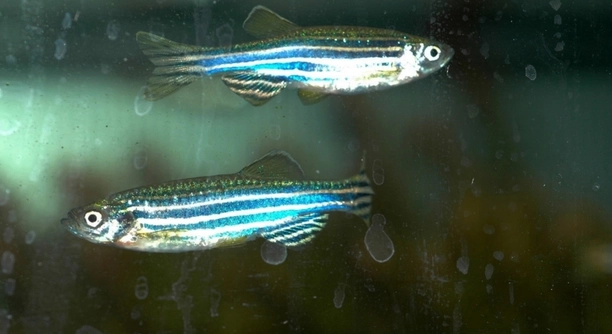
Do you ever find yourself staring at your zebra danios, wondering what their quick movements and sudden stops might really mean?
Zebra danios use body language to express stress, dominance, excitement, and health issues. Observing their swimming style, fin position, and social behavior can offer valuable insight into their well-being and social dynamics.
Each clue matters, and learning what to look for can help you better care for your fish and keep their environment peaceful.
Rapid, Jerky Movements
Zebra danios often swim in short, quick bursts when they’re feeling startled or anxious. These rapid, jerky movements usually mean something in their environment is off. It could be loud noises, sudden lighting changes, or aggressive tank mates. These fish are naturally active, but there’s a difference between healthy energy and panicked motion. If you notice them darting around more than usual, take a look at what has changed in their surroundings. It might help to check water parameters, temperature, and tank dynamics. Stress can quickly lead to health problems, so it’s important to address it early. When they feel safe, their swimming becomes more fluid and less frantic. It’s a good idea to watch them closely after any changes in their setup. Subtle shifts in behavior can tell you a lot about how they’re adjusting. These moments can help you prevent more serious issues down the line.
Fast darting is their way of reacting to discomfort, whether it’s from stress, sudden noise, or shifting conditions in the tank.
If this behavior continues, you’ll want to assess their environment more thoroughly. Look for patterns—maybe it’s always after a water change or when the lights switch on. It’s often linked to how secure they feel in their space.
Clamped Fins
Clamped fins are when the fish keeps its fins tight against its body instead of spread out. This is often a warning sign.
When zebra danios keep their fins clamped, it usually means something isn’t right. This posture can signal poor water quality, illness, or even bullying by tank mates. It’s not a natural resting position and should not be ignored. If one of your danios starts displaying this, it’s worth testing the water right away—check for ammonia spikes or sudden pH drops. Also, take a look at the tank’s social structure. Sometimes one aggressive fish can stress out the rest. Another possible cause could be internal parasites or early signs of infection, especially if the clamped fins are accompanied by loss of appetite or lethargy. Isolating the affected fish for closer observation might help you catch something early. It’s a quiet sign, but one that can tell you a lot about your fish’s overall condition.
Chasing Other Fish
Chasing is common in zebra danios, especially during feeding or when they’re establishing a pecking order. It’s usually not aggressive but can become stressful if it doesn’t ease up over time. Constant chasing may signal social imbalance or overcrowding.
This behavior often shows up in tanks with too few danios. They are schooling fish and do best in groups of six or more. When kept in smaller numbers, they may become territorial or over-focus on one tank mate. If chasing becomes aggressive—fin nipping, cornering, or nonstop pursuit—it’s time to re-evaluate your setup. Adding more fish, increasing space, or rearranging decorations can help break up aggression. Chasing during feeding is usually harmless, but it helps to spread the food around so everyone gets a fair share. Keep an eye on any fish that always gets chased—it may eventually become withdrawn or sick due to stress.
Sometimes, chasing comes from boredom. Zebra danios are very active and need space to move. Without enough stimulation or swimming room, they may take their energy out on each other. Consider using plants, tunnels, or floating decorations to give them more things to explore. This can ease tension and keep them focused on their surroundings rather than each other.
Hiding More Than Usual
Zebra danios are normally out and about, so hiding often is not typical. If one starts staying behind plants or decor all day, it may feel unsafe or unwell. This shift in behavior can be a useful early signal.
There are a few reasons they may begin to hide. If water quality has changed, their stress levels rise, leading them to seek quiet spaces. Check for temperature fluctuations or possible toxins. Another reason could be harassment from tank mates. Even within a group of zebra danios, one may get singled out. Illness is another factor—if a fish hides and shows signs like pale color, rapid gill movement, or lack of appetite, it could be getting sick. You may also notice this behavior after a major tank change, like new fish or rearranged plants. Give the fish time and ensure it has good hiding spots that make it feel secure without isolating it too much.
Rubbing Against Objects
When zebra danios start rubbing their bodies against rocks, plants, or decorations, it can mean skin irritation. This is often caused by parasites, poor water quality, or an early sign of illness. It’s a physical response to discomfort they can’t fix on their own.
Frequent rubbing—also called flashing—is something to take seriously. It’s best to test the water for ammonia, nitrites, and pH changes right away. If everything checks out, you might be dealing with parasites like ich. Watch for white spots or clamped fins, which often appear together. Treating early can prevent it from spreading.
Pale or Faded Color
Zebra danios will sometimes look washed out when they’re stressed or sick. A pale body can signal poor diet, fear, or even boredom. It’s also normal for their colors to fade slightly during rest, especially at night, but not all day.
Erratic Swimming
Erratic swimming means the fish moves unpredictably—circling, floating sideways, or swimming in spirals. This can point to internal problems, including swim bladder issues or poisoning. It might also come from a sudden temperature change. Address this quickly to avoid a more serious health problem from developing.
FAQ
Why is my zebra danio swimming near the surface all the time?
This usually means there’s not enough oxygen in the water. Zebra danios are active swimmers, and when oxygen is low, they’ll naturally go to the top where it’s more available. Check your water temperature—warm water holds less oxygen. Also, check your filter and see if the water movement is strong enough to keep it well-aerated. Adding an air stone can help boost oxygen levels. If other fish are doing it too, you may need to do a partial water change and check for ammonia or nitrite buildup. Constant surface swimming is not normal long term.
What does it mean when my zebra danio separates from the group?
Zebra danios are schooling fish, so staying alone is often a red flag. It can mean the fish is sick, injured, or stressed. Start by observing how it swims—if it looks weak or slow, something could be wrong internally. Illnesses, especially bacterial or parasitic infections, can cause isolation. Stress from aggression or poor water conditions can also push a fish to isolate itself. Make sure the group is large enough (six or more), and that there’s enough space in the tank. Quarantine the fish if you notice any spots, fin clamping, or other changes.
Can zebra danios show signs of boredom?
Yes, zebra danios can get bored if they don’t have enough space or stimulation. These fish are naturally curious and fast-moving, so they need things to explore. Without variety, they may become more aggressive or inactive. To help, you can add floating plants, new decorations, or rearrange what’s already in the tank. Changing their environment even slightly can encourage them to interact more. Offering live food occasionally or changing feeding patterns also helps. Boredom doesn’t always mean a serious issue, but over time, it can affect their health and behavior.
Why are my zebra danios fighting all of a sudden?
Fighting usually happens when there’s overcrowding, not enough hiding spots, or if the group is too small. Zebra danios need to be kept in larger groups to spread out their energy and keep aggression balanced. A group of two or three often leads to bullying. If you notice specific fish being targeted, rearranging the tank can break up territories and reduce aggression. Check your tank size too—a 10-gallon tank may be too cramped. In some cases, it may just be short-term dominance behavior that will calm down once the group settles.
How do I know if my zebra danio is sick or just stressed?
The signs can overlap, but illness often comes with physical symptoms like white spots, red gills, bloating, or unusual feces. Stress tends to show up in behavior changes first—like hiding, fast breathing, or darting. Check the water conditions as a first step. If everything seems normal but the fish still acts off, isolate it and observe more closely. Stress can be short-term and resolve once the environment improves, while illness usually progresses and needs treatment. Paying attention to both behavior and appearance will give you the clearest answer.
Is it normal for zebra danios to sleep at the bottom of the tank?
Yes, resting at the bottom during the night is normal. Zebra danios sleep lightly and often slow down in the dark. However, if they’re lying on the bottom during the day, breathing heavily, or struggling to swim, that’s a concern. Check for signs of illness or poor water quality. A healthy fish will stay upright and balanced while resting. If it’s listing to one side, sinking, or having trouble getting up, it could be a swim bladder problem. If in doubt, isolate the fish and observe more closely.
What should I do if one zebra danio dies?
Remove the dead fish as soon as possible to prevent water contamination. Then, test your water parameters right away. High ammonia or nitrites could be the cause. Watch the remaining fish closely for any signs of distress, sickness, or unusual behavior. A single death might be random, but if more fish start showing signs of illness, it could point to a larger problem. Consider doing a partial water change and cleaning the tank. Keep stress levels low and avoid adding new fish until the tank is stable again.
Final Thoughts
Understanding zebra danio body language is one of the best ways to keep them healthy. These small fish are active and social, and their behavior can change quickly when something isn’t right. By paying attention to how they swim, where they stay in the tank, and how they interact with others, you can often catch early signs of stress or illness. Things like chasing, clamped fins, hiding, or rubbing against objects may seem small at first, but they often point to bigger issues. Watching your fish every day helps you notice these changes early. Simple habits like checking the tank in the morning or during feeding time can make a big difference.
It’s also important to create the right environment. Zebra danios do best in a stable tank with good water quality, plenty of space, and a group of their own kind. They need movement and stimulation to stay active and calm. Try adding plants or gentle current for them to swim through. Feeding a varied diet also helps keep them healthy and alert. Most behavior problems can be improved just by adjusting their surroundings. When a fish starts acting differently, it’s often your tank’s way of asking for attention. Looking at your setup, testing the water, and making small changes can often fix the issue.
While zebra danios are hardy, that doesn’t mean they don’t need care. Their behavior is one of the first things that shows when something is wrong. Whether it’s hiding more, fading in color, or swimming in unusual patterns, each sign gives you a chance to help them early. No fish shows perfect behavior all the time, but consistent odd patterns should not be ignored. With time, you’ll get to know what’s normal for your group. And when something changes, you’ll be ready to act. Paying attention to their body language builds a better connection with your tank and helps you become more confident in caring for them. Watching them thrive is the reward that comes from simply noticing the little things.

Hello,
If you enjoy the content that we create, please consider saying a "Thank You!" by leaving a tip.
Every little bit helps us continue crafting quality advice that supports the health, happiness, and well-being of pets around the world, for pets of all shapes, sizes, and species.
We really appreciate the kindness and support that you show us!