
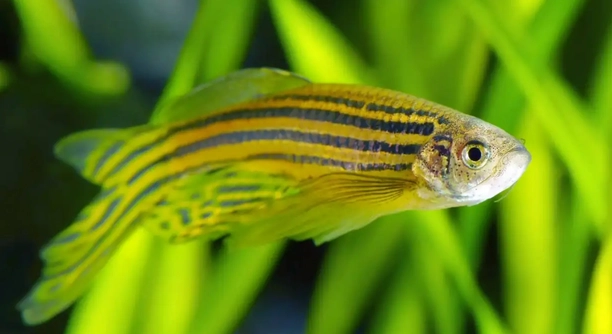
Do you ever find yourself checking on your zebra danios and wondering if their water is truly right for them?
Zebra danios need seven key water parameters to stay happy: temperature, pH, ammonia, nitrites, nitrates, hardness, and oxygen levels. Each plays a critical role in their overall health, comfort, and behavior.
Understanding these parameters can help you create a safe, balanced environment where your zebra danios can live peacefully and thrive.
Temperature Control Matters
Zebra danios are hardy, but they still need the right water temperature to stay healthy and active. The ideal range for them is between 64°F and 75°F. If the water is too cold, their metabolism slows down, which can lead to stress and illness. If it’s too warm, it may lower oxygen levels, making it harder for them to breathe. A stable temperature is more important than a high or low one. Sudden changes can shock their system. Use a reliable aquarium heater and thermometer to help keep the temperature consistent, especially if your home’s climate changes often.
Keep the tank away from windows or heaters to prevent unwanted temperature swings.
Zebra danios also enjoy slight water movement, which helps mimic their natural environment. A gentle filter outflow works well. When temperature and flow are just right, they swim more freely and show brighter colors. This is a good sign of comfort and balance.
Keeping pH Levels in Check
Zebra danios thrive in slightly acidic to neutral water with a pH between 6.5 and 7.5.
Test the pH weekly using a simple aquarium kit. Consistency is more important than hitting a perfect number every time. If your tap water has a high or low pH, consider using natural methods to adjust it, like adding driftwood or crushed coral. Avoid sudden changes, as this can cause stress and lead to illness. If needed, make small adjustments over time. Using a conditioner during water changes can also help stabilize the pH. Most importantly, always match the pH of your new water to what your danios are already used to in their tank. This keeps them calm and healthy.
Stable pH helps support your zebra danios’ immune system and digestion. When the pH is off, you may notice signs like sluggish swimming or faded colors. Keep a small notebook or app log of your tank’s readings. This makes it easier to spot patterns before issues arise.
Ammonia and Nitrite Levels
Ammonia and nitrite levels should always be at zero in a healthy tank. Even small amounts can harm your zebra danios, affecting their gills and overall health. Regular testing helps prevent issues before they become serious.
Ammonia is released from fish waste, uneaten food, and decaying plants. If not removed, it builds up quickly. A well-established nitrogen cycle and good filtration system are the best ways to keep it under control. When ammonia is present, danios may swim near the surface, gasp for air, or become less active. Using a dechlorinator during water changes also helps by supporting the growth of good bacteria that convert ammonia into safer compounds.
Nitrites appear as a result of ammonia being broken down. Though slightly less toxic than ammonia, nitrites still damage the blood and reduce oxygen transport. If nitrites rise, do a partial water change right away. Keep track of test results to avoid dangerous spikes over time.
Nitrate Management
Nitrates are less harmful than ammonia or nitrites, but high levels over time can still stress your zebra danios. Aim to keep nitrate levels under 40 ppm. Regular water changes are the most effective way to manage this. Removing leftover food quickly also helps prevent nitrate buildup.
Live plants are a great natural option for nitrate control. They use nitrates as nutrients, helping to keep levels balanced. Floating plants like duckweed or hornwort are especially helpful. Also, check your filter media and rinse it gently in tank water to maintain healthy bacteria. Avoid rinsing it under tap water, as chlorine can kill the good bacteria needed for the nitrogen cycle. If nitrates remain high despite efforts, try increasing the frequency or volume of your water changes. With a simple routine, it’s possible to keep nitrates low and provide a safe, stable space for your zebra danios to thrive.
Water Hardness
Zebra danios do well in soft to moderately hard water, usually between 5–12 dGH. Extreme hardness can affect their ability to absorb nutrients. Test your water regularly to make sure it stays within this safe range for their comfort and long-term health.
If your tap water is too hard, consider using reverse osmosis water and mixing it with your tap water to reach the right balance. If it’s too soft, crushed coral or mineral supplements can gently raise hardness. Any changes should be gradual to avoid stressing your danios or disrupting beneficial bacteria in your tank.
Oxygen Levels Matter
Zebra danios need well-oxygenated water to stay active and healthy. Poor oxygen can cause them to breathe heavily at the surface. Use an air stone or make sure your filter agitates the surface enough to keep oxygen levels steady, especially in warmer temperatures when oxygen drops.
Stable Tank Size
Zebra danios are active swimmers and need space to move. A minimum tank size of 10 gallons is required, but larger is better. Keeping them in groups of at least five also helps reduce stress and keeps them more social and relaxed in their environment.
FAQ
What is the ideal temperature for zebra danios?
Zebra danios thrive in water temperatures between 64°F and 75°F (18°C – 24°C). It’s best to maintain a consistent temperature within this range to prevent stress. Extreme fluctuations, especially in warm temperatures, can cause oxygen levels to drop, affecting their health. Using a reliable aquarium heater and thermometer is essential for keeping the water temperature stable.
How often should I test my aquarium water?
Testing your aquarium water once a week is a good practice. This helps you stay on top of any potential issues like spikes in ammonia, nitrites, or nitrates. If you notice any problems or have just set up a new tank, you might want to test more frequently until the water stabilizes.
How can I lower the ammonia levels in my tank?
Ammonia can be reduced by doing regular water changes, removing uneaten food promptly, and ensuring proper filtration. It’s also important to establish and maintain a healthy nitrogen cycle in your aquarium, where beneficial bacteria break down ammonia into less harmful substances. If levels remain high, use an ammonia detoxifier.
What should I do if the pH is too high or too low?
If your pH is too high (above 7.5), you can lower it using driftwood, Indian almond leaves, or specialized pH-lowering products. If the pH is too low (below 6.5), crushed coral or dolomite can help raise it. Any changes should be gradual to avoid stressing your zebra danios.
How do I prevent nitrate buildup in my tank?
Nitrate buildup can be controlled through regular water changes and reducing food waste in the tank. Live plants can also absorb nitrates, helping to keep them at a safe level. Another option is using a protein skimmer or a denitrifying filter to help reduce nitrate concentrations over time.
What is the best filtration system for zebra danios?
A good filtration system is essential for maintaining water quality. A filter with both mechanical and biological filtration will help remove debris and provide the necessary bacteria to break down harmful substances like ammonia and nitrites. Choose a filter that is sized appropriately for your tank.
How can I tell if my zebra danios are stressed?
Stressed zebra danios may display signs such as faded colors, erratic swimming, or staying near the surface. Stress can result from poor water conditions, overcrowding, or incompatible tank mates. Regularly checking your water parameters and observing your fish’s behavior will help you spot stress early.
Can zebra danios live with other fish?
Yes, zebra danios are peaceful and can live with most other small, non-aggressive fish. However, avoid keeping them with larger, more aggressive species that might nip at their fins or bully them. They do well in community tanks with species like guppies, tetras, and small catfish.
What is the minimum tank size for zebra danios?
Zebra danios require at least a 10-gallon tank, but a larger tank is always better. Keeping them in a larger space allows them to swim freely, reduces stress, and supports better water quality. If you plan to keep a group, a larger tank also ensures they have plenty of space to interact.
How often should I change the water in my zebra danios tank?
You should change 20–30% of the water every 1-2 weeks, depending on the size of your tank and the number of fish. If you have a high bio-load or a smaller tank, you may need to change the water more often. Always use a water conditioner to remove chlorine and chloramine.
Why do zebra danios swim near the surface?
If zebra danios are frequently near the surface, it could be due to low oxygen levels in the water. Ensure that your tank is properly oxygenated by using an air stone or making sure your filter provides surface agitation. Warmer water holds less oxygen, so pay extra attention to oxygen levels in warmer setups.
What do zebra danios eat?
Zebra danios are omnivores and enjoy a varied diet. You can feed them high-quality flake food, freeze-dried or frozen bloodworms, brine shrimp, and vegetables like blanched spinach or peas. Make sure to feed them small portions twice a day, removing any uneaten food to prevent water contamination.
How do I know if my zebra danios are breeding?
Zebra danios breed in groups, and their breeding behavior is typically easy to spot. Females may appear rounder when carrying eggs, and males will chase after them. During breeding, you may notice the males becoming more vibrant in color. Once eggs are laid, remove the parents, as they may eat the eggs.
Are zebra danios easy to care for?
Yes, zebra danios are considered one of the easiest fish to care for. They are hardy and adaptable, making them a great choice for beginners. However, they still require proper water conditions, regular feeding, and tank maintenance to stay healthy and happy.
How can I make sure the tank is not too crowded for zebra danios?
To prevent overcrowding, ensure that your tank is large enough for the number of fish you plan to keep. A good rule of thumb is one inch of fish per gallon of water. Overcrowding can lead to poor water quality, increased stress, and health problems.
Final Thoughts
Zebra danios are hardy, active fish that can thrive in a variety of water conditions, but maintaining the right environment is key to their health and happiness. By keeping their water parameters stable—such as temperature, pH, ammonia, nitrites, nitrates, and hardness—you’ll create an ideal home for them. Regular testing and water changes are essential in ensuring the water stays clean and safe. Taking these steps helps prevent stress and illness in your fish, keeping them active and colorful.
When it comes to caring for zebra danios, it’s not just about monitoring the water. You also want to provide a good tank setup with enough space and proper filtration. A 10-gallon tank is the minimum size recommended, and it’s important to avoid overcrowding. Keeping a group of five or more zebra danios allows them to feel secure and less stressed, as they are social fish. Providing a well-planted tank with hiding spots can also help them feel more comfortable, as they naturally enjoy having space to swim and explore.
Overall, zebra danios are an excellent choice for both beginners and experienced aquarium owners. They adapt well to different conditions and are easy to care for as long as you maintain their water quality. By focusing on the seven key water parameters and paying attention to their environment, you can ensure that your zebra danios stay happy and healthy for years to come. Regular observation and care will go a long way in creating a thriving tank that everyone, including your fish, will enjoy.

Hello,
If you enjoy the content that we create, please consider saying a "Thank You!" by leaving a tip.
Every little bit helps us continue crafting quality advice that supports the health, happiness, and well-being of pets around the world, for pets of all shapes, sizes, and species.
We really appreciate the kindness and support that you show us!