
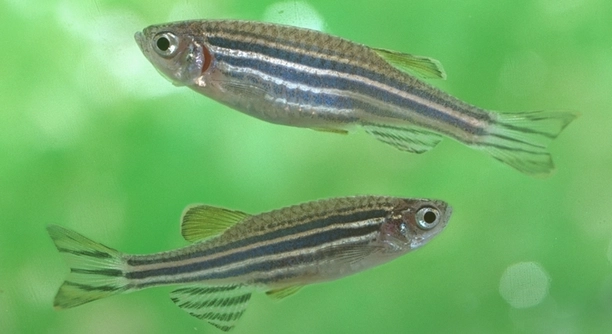
Have you ever found yourself trying to spot one shy zebra danio in a big tank, only to realize it’s not so easy? These little fish can blend in quickly, especially when they’re feeling timid.
The best way to spot a shy zebra danio in a large tank is by observing behavior near hiding spots, watching for slower movement, and using soft lighting. Shy fish often stay close to plants or decorations for comfort.
Knowing where to look and how they act will help you understand them better and create a space where they feel secure.
Signs Your Zebra Danio Might Be Shy
A shy zebra danio may not behave like the rest of the group. These fish often stay in one area of the tank and avoid swimming out in the open. They may linger behind plants, decorations, or near the tank corners. You might also notice that they eat slower or wait for other fish to finish before approaching food. Unlike more active danios, shy ones don’t dart around or chase others. Instead, they stick to themselves and may seem hesitant. Soft movements and an upright posture are common signs. Their color might even appear a little duller compared to the others. Shy danios tend to avoid fast currents and prefer areas with calmer flow. By paying attention to these behaviors, you can easily tell which fish is holding back. Observing them closely during feeding times and in the early mornings can help you catch their quieter moments.
Watch for subtle movements and how they react to others swimming near them.
If your zebra danio often stays away from the rest or avoids the center of the tank, it’s likely feeling unsure. These fish are usually active, so a sudden change in energy can mean something is off. Stress, new surroundings, or stronger tankmates may cause this behavior.
How to Help a Shy Zebra Danio Feel Safe
Try adding more live plants or decorations with hiding spaces. This helps your fish feel more secure. Soft lighting and calm surroundings also reduce stress.
When a zebra danio feels safer, it begins to explore more. You can adjust the tank environment to support this. Start by increasing the number of hiding spots. Tall plants, smooth rocks, or driftwood can help break the line of sight and lower stress levels. Keep your tank in a quiet location, away from loud sounds or sharp movements. Avoid chasing or netting the fish unless necessary, as this builds fear. Feeding in smaller amounts more often helps your shy danio get used to your presence. You can also try offering food near their favorite spot. Choose tankmates that are peaceful and not overly active. Avoid strong water currents, and aim for gentle circulation using sponge filters or low-flow pumps. These small changes give your shy danio a better chance to feel calm and behave more naturally.
Choosing the Right Tank Setup
A large tank can sometimes make a shy zebra danio feel exposed. Too much open space without cover can cause stress. Adding structure and hiding areas helps them feel safer and encourages natural behavior.
Use a mix of tall plants, caves, and driftwood to break up open space. Arrange these items in a way that creates small, quiet areas throughout the tank. Floating plants also help soften the lighting, which can reduce anxiety. Make sure to keep some open swimming zones, as danios are active by nature. Try placing decorations in a balanced way—clustering them on both sides of the tank helps avoid too much empty space in the middle. Check that the materials used are smooth, without sharp edges. This gives your danio room to hide and explore safely, without the risk of injury or stress from fast currents or busy tankmates.
Maintain a low to medium flow using gentle filters, such as sponge or hang-on-back filters with adjustable speed. Zebra danios are fast swimmers, but a shy one may prefer calmer water. Too strong of a current can keep them from leaving hiding spots. Set the tank lights on a timer, giving them a regular day-night cycle. This routine creates a stable environment.
Understanding Zebra Danio Behavior
Zebra danios are social and like to be in groups. However, shy individuals may not school closely with others. They might stay slightly apart but still follow the group loosely.
Pay attention to how your shy danio acts when other fish are near. If it darts away, hides, or seems to freeze, it could be uncomfortable with its surroundings. Some zebra danios take longer to adjust after being introduced to a new tank. You may also see them resting more often or swimming at lower levels of the tank. These patterns can point to stress, not illness. Keep feeding time quiet and consistent, so the shy fish starts to feel safe and gets used to the rhythm of the tank. Over time, even a shy danio can become more active once it learns that the environment is calm and predictable.
Common Mistakes to Avoid
Overcrowding the tank can increase stress and make shy danios feel overwhelmed. Too many fast or aggressive fish will cause them to hide more often and eat less.
Avoid rearranging the tank too often. Frequent changes in layout or decorations can disrupt their comfort and sense of safety.
How Feeding Habits Can Reveal Shyness
A shy zebra danio may wait until others finish eating before approaching food. You might see it staying near the bottom or close to plants during feeding. This behavior often leads to it missing out on meals. Try feeding in smaller portions, spread out in different areas of the tank. This gives the shy fish a better chance to eat without having to compete. You can also try sinking food or placing it near their favorite spot. Watching how they eat helps you understand their comfort level and whether changes in feeding strategy are needed.
When to Give It Time
Some danios just take longer to settle in. A few weeks may pass before they begin to show normal behavior.
FAQ
Why is my zebra danio always hiding?
A zebra danio that hides often may be feeling stressed. This could be due to a lack of cover, poor water quality, or tankmates that are too active. Hiding is a natural behavior when a fish doesn’t feel safe. Look at the setup of your tank—does it have enough plants or decorations for shelter? If not, add a few more. Also, test your water to make sure the parameters are in a healthy range. If all looks fine, the danio might just be shy and still adjusting to its environment.
Is it okay for a zebra danio to live alone?
No, zebra danios are schooling fish and should not live alone. When kept by themselves or in too small a group, they can become stressed, shy, or even aggressive. The ideal number is at least five to six of the same species. This helps them feel secure and act more naturally. A single zebra danio may hide often, avoid eating, or swim in odd patterns. Adding more of their kind gives them the comfort and social structure they need to thrive.
What should I do if my shy danio isn’t eating?
Start by observing where the danio is during feeding time. Try placing food closer to its usual hiding spot. Use slow-sinking pellets or smaller flakes that stay in the water column longer. Feed smaller amounts more frequently to reduce competition from other fish. If that doesn’t help, check the water quality and tank conditions. Poor water can affect appetite. You can also try feeding with the lights slightly dimmed. Some shy fish eat better in low light. Avoid tapping the glass or making sudden movements, as this can scare them off before they eat.
Can zebra danios get bullied by other fish?
Yes, zebra danios can be picked on by more dominant or aggressive fish. While they are fast swimmers and can usually keep up, shy individuals might struggle. Avoid mixing them with larger, territorial fish or species known for chasing. Even within a group of danios, a more dominant one can sometimes cause stress. Keep an eye out for fin nipping or if the shy danio is being chased often. If needed, rearrange tank decorations to break line of sight or consider separating the aggressive fish.
Will a shy zebra danio become more active over time?
Yes, many shy danios do become more confident with time. It may take a few weeks or even longer, but once they feel safe, they start joining the group more. Stick to a calm environment and a steady routine. Avoid moving decorations or changing the tank layout too often. Feed on a schedule, and keep lighting soft. If the danio continues to hide after several weeks, look at other possible causes like bullying or health issues. But in most cases, patience and a peaceful setup help them settle in.
How can I tell if my zebra danio is sick or just shy?
A shy danio will still swim normally when alone or in safe spaces. It may hide but still eats and shows interest in its surroundings. A sick fish, however, may show other signs—clamped fins, floating oddly, loss of color, or refusal to eat at all. Watch how it moves and reacts during feeding. If it’s alert and responsive but avoids the crowd, it’s likely just shy. If it shows other symptoms or seems weak, you may need to isolate it and observe more closely or consult an aquatic vet.
Does tank size affect zebra danio behavior?
Yes, it does. Zebra danios enjoy space to swim, but in tanks that are too large without enough structure, shy individuals can feel exposed. This may cause them to stay in corners or behind decorations. A tank of 20 gallons or more is good, but make sure it includes plants and hiding spots. The key is balancing open space with cover. Tanks that are too small can also cause stress from overcrowding or too much competition, which can lead to timid behavior. A well-set-up tank helps all danios feel more at ease.
Final Thoughts
Zebra danios are active and hardy fish, but even the most energetic ones can act shy in certain situations. A big tank can be overwhelming, especially if there aren’t enough hiding spots or if the fish feels alone or unsafe. It’s not unusual to have one or two shy danios in a group, and this doesn’t always mean something is wrong. Every fish has its own personality. Some are more social and bold, while others take time to feel secure. Learning how to spot and understand these signs helps you care for your danios in a more thoughtful way.
Creating a safe and calm space plays a big role in helping a shy zebra danio feel better. Plants, soft lighting, and peaceful tankmates can make a big difference. Feeding your fish in a slow, quiet way can also help. When you give your shy fish time and patience, you may see them slowly come out more often. It’s also important to avoid sudden changes in their environment. Try to keep a routine. Regular lighting, steady feeding times, and clean water can help your fish feel more comfortable. The goal is not to force them to be more active but to give them the chance to grow more confident on their own.
If you’re not sure whether a zebra danio is shy or sick, watch for signs like eating habits, swimming behavior, and overall movement. A shy fish may still eat and swim normally when alone, while a sick fish will often show clear physical symptoms or act very weak. When you know what to look for, it becomes easier to spot the difference. Keeping track of their behavior over a few days can help you see any patterns. Remember, change doesn’t always happen fast. Sometimes, it takes a few weeks for a shy fish to get used to its tank and tankmates. With the right setup and a little patience, even the most reserved zebra danio can feel at ease and enjoy its space. In the end, paying attention to their needs helps build a tank that works for all types of fish—shy or bold.

Hello,
If you enjoy the content that we create, please consider saying a "Thank You!" by leaving a tip.
Every little bit helps us continue crafting quality advice that supports the health, happiness, and well-being of pets around the world, for pets of all shapes, sizes, and species.
We really appreciate the kindness and support that you show us!