
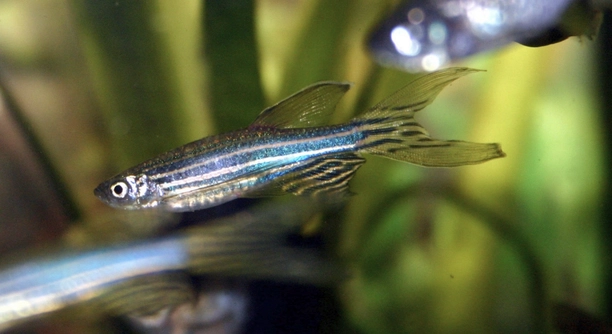
Is your zebra danio acting differently around feeding time, showing little to no interest in the food you provide each day?
The most common reason a zebra danio is not responding to food is stress caused by environmental changes. Other possible factors include illness, poor water quality, or inappropriate diet, all of which can affect feeding behavior.
Recognizing these signs early can help you restore a healthy routine and keep your zebra danio active, responsive, and thriving in its tank.
Common Reasons Your Zebra Danio Is Ignoring Food
Zebra danios may ignore food for several reasons, but stress is one of the most common. Changes in water temperature, pH, or tank setup can disturb them. Loud noises, aggressive tank mates, or moving to a new environment can also affect their appetite. When fish feel threatened or unsettled, eating often becomes less of a priority. Health issues like internal parasites, bacterial infections, or swim bladder disease can also cause your zebra danio to stop eating. These symptoms may come with other signs, such as unusual swimming patterns or hiding more often. Additionally, overfeeding or offering the same food too often can make them less responsive. It’s important to check the condition of the food as well. Expired or low-quality flakes and pellets may be ignored. Pay close attention to their behavior and the tank environment to determine the next best step.
Check for subtle changes in behavior, such as sudden shyness, swimming near the bottom, or reduced interaction with others.
If your zebra danio continues to avoid food, it might be time to evaluate its diet. They benefit from variety, including high-quality flakes, micro pellets, and the occasional treat like brine shrimp or daphnia. Changing things up can renew interest.
Fixing the Feeding Issue
Start by checking water quality.
Testing for ammonia, nitrites, and nitrates should be your first move. Poor water conditions are often the cause of feeding problems. A regular maintenance schedule, including partial water changes and filter cleaning, helps keep the tank healthy. Next, observe how your fish interacts with others. Zebra danios are schooling fish and feel more secure in groups. If your fish is alone or housed with incompatible tank mates, stress may be the issue. Look for signs of aggression or competition that might discourage your fish from coming forward to eat. If stress or illness doesn’t seem to be the issue, consider offering different foods. Switch between flakes, micro pellets, and live or frozen options to see what your danio prefers. Feeding in smaller amounts two to three times daily ensures food is fresh and reduces waste. Monitor your fish during feeding to see what works best and make changes gradually to avoid further stress.
Signs Your Zebra Danio Might Be Sick
Lack of appetite can be one of the earliest signs of illness in zebra danios. Other signs include clamped fins, discoloration, erratic swimming, bloating, or isolation from the group. These behaviors often point to a deeper health issue.
Bacterial infections can affect the skin, fins, or internal organs of your zebra danio. Look for red streaks, white patches, or open sores. If left untreated, the infection can spread quickly. Internal parasites may also be a cause, especially if your fish shows weight loss despite eating a little. Quarantining affected fish is important to avoid spreading illness. Medications designed for bacterial or parasitic treatment can be added to a separate hospital tank. Make sure to follow dosage instructions carefully.
Fungal infections are another concern. They often appear as white, cotton-like patches on the body or fins. These infections tend to show up when fish are already weakened by poor water conditions or stress. Treating the fungus early can prevent further damage. In addition to medication, improving water quality helps recovery. Avoid using multiple treatments at once, as this can cause more harm. Observation is key—track your fish’s behavior, appearance, and how it responds to any treatments you apply. Patience and consistency usually bring the best results.
When Feeding Behavior Is Linked to Tank Conditions
Poor tank conditions can change your fish’s mood and appetite almost overnight. If the water is too warm, too cold, or full of waste, feeding can become irregular. Regular testing and cleaning help prevent this problem before it starts.
Ammonia spikes, low oxygen levels, or sharp pH swings are common issues that affect zebra danios. These conditions are stressful and will make them more likely to hide or ignore food. Use a reliable test kit to monitor the water and adjust as needed. A stable temperature around 72–78°F helps regulate their metabolism. Overcrowding also leads to waste buildup and territorial stress, making some fish retreat from feeding times. Try to keep your tank lightly stocked and provide enough hiding spots. Make water changes part of your routine—removing just 25% weekly can make a big difference. A calm, clean space can get your fish eating again without the need for medication.
How Diet Affects Feeding Interest
Feeding the same food daily can make zebra danios lose interest. Try offering a mix of flakes, micro pellets, and occasional treats like bloodworms or daphnia. Rotating food types helps maintain interest and supports a more balanced diet.
Some commercial foods lack essential nutrients. If your zebra danio isn’t eating, it might be because the food doesn’t meet its needs. Choose high-quality brands with a good mix of protein, fiber, and essential vitamins. Feeding time should feel enriching, not routine.
Stress and Environmental Changes
Sudden changes in the tank can stress zebra danios. Moving decorations, changing water parameters too quickly, or introducing new fish all affect their behavior. Give them time to adjust before expecting normal feeding. Avoid tapping the glass or rearranging the tank too often.
How Long You Can Wait Before Worrying
If your zebra danio hasn’t eaten for more than three days, it’s time to look for underlying issues. A healthy fish can skip a meal occasionally, but consistent refusal signals a problem.
FAQ
Why isn’t my zebra danio eating?
There are several reasons why your zebra danio may not be eating. Stress from sudden changes in the tank environment, such as new decorations or water parameter fluctuations, can affect its appetite. Illness, poor water quality, or improper diet are also common causes. Make sure to check water conditions, including temperature, pH, and ammonia levels. Offering a variety of foods can also help stimulate their interest in eating.
How can I tell if my zebra danio is stressed?
Zebra danios exhibit stress through behaviors like hiding, swimming erratically, or staying near the tank’s bottom. They may also stop interacting with other fish and become lethargic. Physical signs of stress include faded colors, clamped fins, or unusual body postures. Stress can be triggered by poor water conditions, aggressive tank mates, or environmental changes.
Should I worry if my zebra danio isn’t eating for a day or two?
Occasional fasting is normal, especially if the fish is adjusting to a new tank or food type. However, if your zebra danio hasn’t eaten for more than two days and is showing signs of illness or stress, it’s time to investigate further. Long periods without food can weaken the immune system, leading to more serious health problems.
How do I improve the water conditions for my zebra danio?
Maintaining optimal water quality is crucial for your zebra danio’s health. Regularly test for ammonia, nitrites, and nitrates, as these chemicals can build up in an aquarium and harm your fish. Perform weekly water changes of about 25% and use a good filter. The water temperature should stay between 72°F and 78°F. Additionally, avoid overcrowding and provide plenty of plants or hiding spaces to reduce stress.
Can zebra danios eat too much?
Yes, zebra danios can overeat, which may lead to bloating or swim bladder problems. Feed them in small amounts, offering enough for them to eat within two minutes. Remove any uneaten food promptly to avoid water contamination. A healthy feeding schedule includes multiple small feedings throughout the day rather than a single large one.
What should I feed my zebra danio?
Zebra danios enjoy a varied diet. High-quality flake food should be the base of their diet, supplemented with micro pellets, live or frozen foods like brine shrimp or bloodworms, and occasional vegetable matter such as spinach or peas. Offering a variety of food ensures they get a well-rounded nutrition profile.
Can zebra danios live alone?
Zebra danios are social fish and do best in groups of at least five or more. Keeping them alone can lead to stress, which may affect their eating habits and overall health. In a group, they feel more secure and are more likely to display natural behaviors, including feeding.
How can I prevent my zebra danio from getting sick?
Prevention starts with proper tank care. Regular water changes, maintaining stable water parameters, and avoiding overcrowding are key. Quarantine new fish before introducing them to your tank to avoid the spread of diseases. Additionally, ensure your zebra danio’s diet is nutritious and varied to support a healthy immune system.
What are the signs that my zebra danio is sick?
Sick zebra danios may show symptoms like faded or blotchy colors, erratic swimming, or spending too much time hiding. Other signs include swelling, bloated bellies, lesions, or white spots on the body. Loss of appetite and inactivity are also common indicators of illness. If these symptoms appear, consider isolating the sick fish and seeking treatment.
Can zebra danios recover from illness?
Yes, zebra danios can recover from many illnesses if treated promptly. Early intervention is crucial. If the illness is bacterial or parasitic, you can use appropriate medications. Fungal infections are treatable with antifungal treatments. Ensure the tank conditions are optimal for recovery and monitor your fish closely.
How do I know if my zebra danio is hungry?
Zebra danios are active feeders. If your fish is swimming near the surface or actively approaching the food during feeding time, it’s likely hungry. Fish that are consistently active around feeding time are more likely to eat. If they are disinterested, it could indicate a health issue or stress.
Can I feed my zebra danio live food?
Yes, live food is a great addition to your zebra danio’s diet. They particularly enjoy brine shrimp, daphnia, and mosquito larvae. Live food provides enrichment, encourages natural hunting behaviors, and offers additional nutrients. However, be sure to offer live food in moderation, as it can carry parasites or bacteria if not sourced carefully.
What is the lifespan of a zebra danio?
Zebra danios typically live between 2 to 5 years, depending on water conditions and care. Keeping the tank clean, maintaining stable water parameters, and offering a balanced diet can help extend their lifespan. Regular health checks are important to catch any issues early on.
Do zebra danios need a filter?
Yes, zebra danios need a filter to keep their water clean. They are small but active fish, and their waste can quickly degrade water quality. A filter helps remove debris, toxins, and excess food. It also provides essential water movement, which can be beneficial for their health.
What’s the best way to introduce new zebra danios to a tank?
When adding new zebra danios, it’s important to quarantine them for at least two weeks in a separate tank to avoid introducing diseases. Once acclimated, gradually add them to the main tank. Introduce the new fish during quiet times, and monitor interactions to ensure there is no aggression.
Final Thoughts
Zebra danios are relatively easy to care for, but understanding their specific needs can make a big difference in their overall health and happiness. From their feeding habits to their social behavior, these small fish require a stable environment to thrive. Regular maintenance of water quality, temperature, and tank cleanliness is essential for preventing many common issues. If you notice your zebra danio not responding to food, it’s important to assess the situation quickly. Changes in diet, water quality, and stress levels can all play a role in their feeding behavior.
Feeding zebra danios the right balance of food and keeping a variety in their diet is key to encouraging their appetite. Overfeeding or feeding the wrong type of food can lead to health problems such as obesity or digestive issues. It’s also important to ensure that the food is appropriate for their size and dietary needs. If your zebra danio isn’t eating, it’s worth trying different food types or ensuring that the tank environment is calm and stress-free. Sometimes, even small changes in their surroundings can have a significant impact on their behavior.
In conclusion, while a lack of appetite in zebra danios may seem concerning, it’s often fixable with a little observation and care. Be patient as you monitor the situation, and remember that it’s normal for fish to occasionally skip meals. With the right attention to their environment, diet, and health, zebra danios can live a long, healthy life. If the problem persists, it might be worth consulting with an aquarium expert or veterinarian for further guidance. Taking these steps will help ensure that your zebra danios remain happy and healthy in their tank.

Hello,
If you enjoy the content that we create, please consider saying a "Thank You!" by leaving a tip.
Every little bit helps us continue crafting quality advice that supports the health, happiness, and well-being of pets around the world, for pets of all shapes, sizes, and species.
We really appreciate the kindness and support that you show us!