
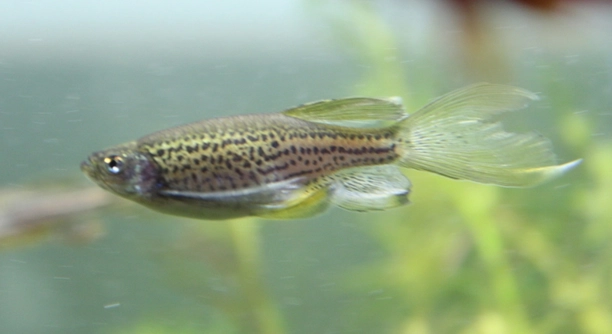
Zebra Danios are lively and playful fish, commonly kept in aquariums. However, their behavior can sometimes signal health issues, with fin clamping being a noticeable symptom. This article explores potential causes of this condition in these charming fish.
Fin clamping in Zebra Danios is commonly caused by stress, poor water quality, or health problems. Issues like inadequate tank conditions, parasites, and improper temperature can lead to this behavior. Identifying the root cause is essential for proper care.
Addressing these factors will help you maintain your Zebra Danios’ well-being and ensure they thrive in their environment.
Stress as a Cause of Fin Clamping in Zebra Danios
Zebra Danios can become stressed for a variety of reasons, and stress is a common factor behind fin clamping. Stress can be triggered by overcrowding, tank mates that are too aggressive, or sudden changes in the environment. These fish are sensitive to their surroundings, and even slight disruptions can cause them to exhibit signs of stress, such as clamped fins.
A stressed Zebra Danio may seem lethargic or spend more time hiding. Overcrowding is particularly harmful, as it limits the space the fish have to swim and interact, creating an environment of constant tension. Ensuring the tank has the proper number of fish is important for maintaining harmony.
When managing stress, it’s essential to maintain a calm and stable environment. Keep the tank’s water parameters consistent, including temperature, pH, and ammonia levels. If necessary, move overly aggressive tank mates to a different tank to reduce stress and prevent fin clamping.
Poor Water Quality and Its Impact
Poor water quality is a significant contributor to fin clamping in Zebra Danios. Ammonia, nitrite, and nitrate levels can easily build up if the tank is not properly maintained.
Regular water changes and monitoring water quality are key to preventing this. If water conditions are poor, fish may experience discomfort, leading to fin clamping. Maintaining clean, filtered water helps keep your Danios healthy and active.
Temperature Fluctuations and Fin Clamping
Fluctuations in water temperature can cause significant stress for Zebra Danios. These fish are best suited to a consistent temperature between 65°F and 75°F. If the water temperature shifts dramatically, it can lead to fin clamping and other health problems.
Sudden temperature changes can weaken the immune system of Zebra Danios, leaving them more susceptible to illness. This stress can cause them to exhibit abnormal behaviors, such as clamping their fins tightly to their bodies. Maintaining a steady temperature is crucial for their overall health. Using a reliable aquarium heater and thermometer can help stabilize the water temperature, ensuring that it remains within the ideal range.
A temperature fluctuation could also be caused by placing the tank near a heat source or direct sunlight. This can lead to rapid changes in temperature, making it harder for the fish to adjust. To prevent this, it’s important to place the tank in a location with stable environmental conditions.
Illness and Disease in Zebra Danios
Zebra Danios, like any fish, are susceptible to a variety of diseases. Illnesses such as bacterial infections, parasites, or fungal infections can cause fin clamping. When infected, fish may try to conserve energy by staying still and keeping their fins close to their bodies.
In some cases, the clamped fins are a sign of pain or discomfort caused by an underlying infection. Identifying the specific illness causing the problem is essential for choosing the right treatment. Symptoms may include changes in appearance, like lesions, discoloration, or visible parasites. Infections should be treated promptly with the appropriate medications to avoid further complications.
Diseases can also spread quickly in aquarium settings, especially if the tank is overcrowded or water conditions are poor. Keeping the aquarium environment clean and providing proper care for your Zebra Danios will help prevent many common illnesses, reducing the risk of fin clamping due to disease.
Inadequate Diet and Fin Clamping
An improper diet can also lead to fin clamping in Zebra Danios. These fish require a balanced diet that includes a variety of nutrients, including proteins, vitamins, and minerals. Without these, their immune systems can weaken, making them more prone to stress and illness.
Feeding Zebra Danios low-quality food or a limited variety can cause deficiencies. Over time, this can result in poor health and behavior changes like fin clamping. It’s important to offer a mix of high-quality pellets, frozen or live food, and vegetable matter to ensure they receive a complete diet.
Poor Tank Conditions and Stress
Tank conditions, such as poor filtration and overcrowding, can cause Zebra Danios to feel stressed. This constant stress may lead to clamped fins as the fish try to conserve energy.
A good filtration system ensures water stays clean and oxygenated, while proper tank size prevents overcrowding. Healthy fish require enough space to move and thrive.
Tank Mates and Aggression
Aggressive tank mates can be a major factor in fin clamping. Zebra Danios are peaceful by nature, and if kept with overly aggressive or territorial fish, they may become stressed and clamp their fins to avoid conflict.
FAQ
What does it mean when a Zebra Danio’s fins are clamped?
Clamped fins in Zebra Danios typically indicate that something is wrong. It could be stress, illness, or poor water conditions. When their fins are clamped, the fish keep them tightly pressed against their body instead of spreading them out as they normally would. This behavior is often a sign that they are not feeling well.
How can I tell if my Zebra Danio is stressed?
Besides fin clamping, stressed Zebra Danios may exhibit other signs like erratic swimming, hiding more often, or a lack of appetite. They may also appear lethargic or stop interacting with other fish. Stress can be caused by overcrowding, poor water quality, or aggressive tank mates.
How can I fix fin clamping in my Zebra Danio?
The first step in addressing fin clamping is to identify and resolve the underlying cause. Start by checking the water quality, temperature, and tank conditions. If stress is the issue, reduce overcrowding and remove aggressive tank mates. Provide a balanced diet and ensure the fish are in a peaceful environment. If the problem persists, consider consulting a veterinarian.
Can fin clamping be caused by disease?
Yes, fin clamping can be a symptom of various diseases like bacterial infections, parasites, or fungal infections. If your Zebra Danio shows other signs of illness, such as discoloration, lesions, or unusual swimming patterns, it’s important to treat the disease promptly. Regular water changes and proper tank maintenance can also help prevent disease outbreaks.
What water temperature is ideal for Zebra Danios?
Zebra Danios thrive in water temperatures between 65°F and 75°F (18°C to 24°C). If the water is too hot or too cold, it can cause stress and potentially lead to fin clamping. It’s important to keep the temperature stable to avoid sudden fluctuations that could harm the fish.
What should I do if my Zebra Danio’s fins are still clamped after improving water quality?
If you’ve addressed water quality and other environmental factors but the fin clamping continues, consider reviewing the diet. Make sure the fish are getting the right nutrients. You may also want to check for signs of parasites or other illnesses that could require specific treatment.
Is fin clamping common in Zebra Danios?
Fin clamping is not necessarily common, but it can occur if the fish are stressed, unhealthy, or living in poor conditions. With proper care and a suitable environment, Zebra Danios usually don’t experience this problem. It’s important to observe them regularly to spot any signs early.
Can tank mates cause fin clamping in Zebra Danios?
Yes, aggressive tank mates can stress Zebra Danios, leading to fin clamping. Fish like bettas, larger cichlids, or other territorial species may cause anxiety in Zebra Danios, causing them to clamp their fins. Choosing peaceful and compatible tank mates is essential for maintaining a healthy aquarium.
Can I prevent fin clamping in Zebra Danios?
Preventing fin clamping involves maintaining a stable, clean environment. Keep the water quality high, monitor the temperature, and provide a balanced diet. Also, avoid overcrowding and choose compatible tank mates. Regular water changes and careful observation can prevent many issues before they become serious.
What are the signs of a Zebra Danio being sick?
Apart from fin clamping, a sick Zebra Danio may show signs like fading colors, lesions, bloating, or rapid gill movement. They might also swim erratically or stay near the surface. If you notice any of these signs, it’s important to diagnose the issue and treat it as soon as possible.
Can fin clamping happen if the aquarium is too small?
Yes, an overcrowded or too-small tank can lead to stress, which in turn can cause fin clamping in Zebra Danios. They need enough space to swim freely. A small tank can restrict their movement and create an environment of constant stress, which may lead to health issues.
How often should I clean my Zebra Danio’s tank?
To keep your Zebra Danio healthy, aim to clean the tank regularly, about once a week. This includes performing water changes of 20-30% and removing any debris. The filter should be cleaned as well to ensure optimal water quality. Clean tanks help prevent poor water conditions that can lead to fin clamping.
Should I isolate a Zebra Danio with clamped fins?
If fin clamping is caused by stress from tank mates or disease, it might be helpful to isolate the affected Zebra Danio. Placing the fish in a separate tank can reduce stress, allow them to recover, and prevent the spread of illness. Be sure the isolation tank has appropriate water conditions and space for the fish to recover.
Can fin clamping affect my Zebra Danio long-term?
If left untreated, fin clamping can lead to long-term health issues. Chronic stress or illness can weaken the immune system, making the fish more susceptible to further problems. Early intervention and resolving the underlying cause are crucial for ensuring your Zebra Danio’s long-term health.
What kind of diet is best for Zebra Danios?
Zebra Danios require a varied diet to stay healthy. A combination of high-quality fish flakes, live or frozen foods, and occasional vegetable matter will provide them with the nutrients they need. A well-balanced diet boosts their immune system and keeps them active, reducing the likelihood of stress and fin clamping.
Final Thoughts
In conclusion, fin clamping in Zebra Danios is a clear indicator that something is wrong in their environment. It could be caused by stress, poor water conditions, diseases, or even poor tank mates. Identifying the root cause is the first step toward resolving the issue and ensuring your Zebra Danios remain healthy and happy. With careful observation and quick action, you can prevent or address fin clamping, allowing your fish to thrive.
Maintaining a proper tank environment is crucial to preventing stress in Zebra Danios. Regular water changes, proper filtration, and keeping the water temperature stable are essential. Overcrowding should also be avoided, as it can lead to competition for space and food, which can result in stress and fin clamping. Additionally, always ensure that your Zebra Danios are fed a balanced diet that includes high-quality fish flakes, proteins, and some plant matter. A varied diet can go a long way in keeping them healthy and strong.
Finally, keep an eye on your fish’s behavior and be mindful of any signs of illness. If you notice fin clamping alongside other symptoms like abnormal swimming or loss of appetite, it’s important to take action immediately. In some cases, a visit to the vet may be necessary, especially if you suspect a disease or infection. With the right care and attention, your Zebra Danios can live long, healthy lives without issues like fin clamping affecting their well-being. Regularly monitoring their environment and health will help you address problems early, preventing long-term damage.

Hello,
If you enjoy the content that we create, please consider saying a "Thank You!" by leaving a tip.
Every little bit helps us continue crafting quality advice that supports the health, happiness, and well-being of pets around the world, for pets of all shapes, sizes, and species.
We really appreciate the kindness and support that you show us!