
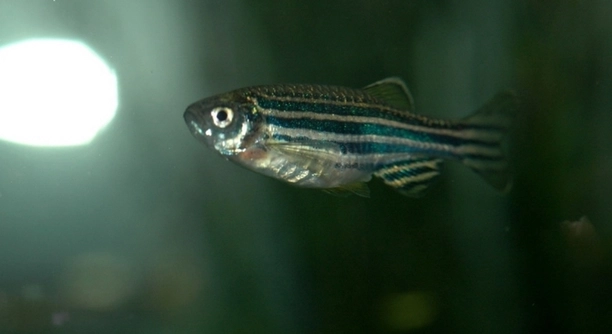
Zebra Danios are a popular fish for both beginners and experienced aquarium enthusiasts. Their active behavior and bright colors make them a favorite, but understanding their age through behavior can be tricky.
The age of a Zebra Danio can be difficult to determine based solely on behavior. However, younger fish tend to be more active and agile, while older fish may display slower movements and less enthusiasm.
Knowing these subtle differences can help you gauge your Zebra Danio’s age and adjust their care accordingly. Understanding their behavior will make it easier to maintain their health and happiness in your aquarium.
How to Tell a Zebra Danio’s Age Through Its Behavior
Zebra Danios are lively fish that can display some behavioral changes as they age. In the early stages, they are fast swimmers, often darting around the tank. As they mature, their activity levels tend to slow down. Younger Zebra Danios are more energetic and curious, constantly exploring their surroundings. Older fish may not move as quickly and might spend more time near the bottom of the tank or in sheltered areas. Additionally, their interaction with tankmates can change over time, with older fish sometimes becoming less social.
Age-related behavior changes can vary from one fish to another. It’s important to keep an eye on your Zebra Danio’s general movement patterns and behavior in relation to other fish. If a previously active fish starts to act sluggish, it could indicate aging. The decrease in activity often comes with age, but other factors like water quality, diet, and stress can influence this as well.
Being aware of these subtle changes can help you provide the best care for your Zebra Danio as it ages. Monitoring behavior ensures that you notice any shifts early, allowing you to adjust their environment or diet accordingly to support their health.
Physical Changes to Look For
Age can also affect a Zebra Danio’s appearance. As they grow older, their fins may become more worn and the vibrant colors they had as juveniles can start to fade. Younger fish tend to have brighter colors, especially around the stripes on their bodies. With age, the stripes may appear less defined. This color change is one sign that a Zebra Danio may be entering its senior years. These physical changes, in addition to behavioral shifts, help you gauge your fish’s age more accurately.
Older Zebra Danios may also develop slight physical impairments. For example, their body might appear slightly thinner or they may have a less glossy sheen. These signs aren’t always obvious but can become noticeable if you observe your fish regularly. A slower, more deliberate movement is also an indicator that your fish might be aging. These visual and behavioral signs are essential for providing care that matches the needs of your aging fish, ensuring that they remain comfortable in your tank for as long as possible.
Recognizing the combination of behavior and physical changes can make a significant difference in maintaining the health of your Zebra Danio. These subtle signs should not be ignored, as they could point to other issues like water quality, so it’s always helpful to track these changes closely.
How Behavior Changes with Age
As Zebra Danios age, their behavior changes in subtle ways. Younger fish are more active, swimming quickly and interacting with other fish. Older Danios, however, tend to swim slower and may spend more time hiding. This slower movement is a common sign of aging in many fish species.
Younger Zebra Danios are playful and curious. They dart around the tank, often interacting with objects or other fish. In contrast, older Zebra Danios become less social and might not move as much, often staying in one area. This shift in behavior can indicate that the fish is reaching its later years. Changes in behavior like reduced movement or less interaction with tankmates are normal, but it’s important to note that stress or poor water quality can also cause these behaviors.
When observing behavior, keep track of changes over time. If a once-active Zebra Danio becomes less enthusiastic, it might be a sign of aging. However, if the behavior change is sudden, you should also check other factors, like water quality, which could be affecting your fish.
Monitoring Activity and Environment
The environment has a big impact on your Zebra Danio’s behavior as it ages. A clean, well-maintained tank supports a more active and healthy fish. As they get older, changes in the tank, such as new tankmates or stress factors, may also influence their behavior. A comfortable, familiar setting is key for elderly Danios.
When keeping Zebra Danios, always monitor both their behavior and the environment. The more you observe them, the more you’ll notice if something changes. A drop in activity or movement could be a sign that your fish is adjusting to its age. Ensure the tank remains stable with appropriate water temperature and levels, as poor conditions may cause further stress on aging fish. Regular water changes and proper filtration will go a long way in keeping the fish healthy.
Maintaining a consistent environment is important for older Zebra Danios. Older fish are more susceptible to stress from changes in their environment, which can lead to further health issues. Keeping their tank consistent will help keep them comfortable, reduce stress, and allow them to enjoy their later years in peace.
Diet and Its Effect on Behavior
A Zebra Danio’s diet can affect its activity levels and behavior. Younger fish may show increased energy when fed high-quality food, while older fish might not have the same enthusiasm. A balanced diet helps keep them active, regardless of age.
As Zebra Danios age, their metabolism slows down, and they may not be as eager to eat. A proper diet becomes even more important, as older fish require nutrients to maintain their health. Overfeeding can cause weight gain, leading to lethargy. Feeding them smaller, nutrient-rich portions ensures they stay healthy and active.
Stress and Aging Fish
Stress affects Zebra Danios at any age, but older fish are more vulnerable. Stress from poor water conditions, overcrowding, or incompatible tankmates can slow them down. An aging fish is more likely to show stress through inactivity, loss of color, and hiding.
Importance of Regular Tank Maintenance
Regular maintenance of the tank is crucial to ensuring your Zebra Danio stays healthy. Dirty water or fluctuating temperatures can cause discomfort, particularly for older fish. Consistent tank cleaning and monitoring water parameters help maintain an environment that supports both their behavior and well-being.
FAQ
Can I tell a Zebra Danio’s age by its size?
Size can give a rough estimate of a Zebra Danio’s age, but it’s not a reliable method. Zebra Danios grow quickly in their early stages, but growth slows as they reach maturity. A younger fish is generally smaller, while an older one may be larger. However, genetics and environmental factors like water quality and food availability also play a big role in their size. A smaller size doesn’t always mean the fish is younger, and a larger size doesn’t always mean it’s older.
How can I tell if my Zebra Danio is stressed?
Stress in Zebra Danios can show in several ways. They might swim erratically, hide more often, or display darker colors. In some cases, they may also lose their appetite or become more aggressive toward other tankmates. Stress can be caused by poor water conditions, overcrowding, or other environmental factors. If you notice these signs, it’s important to check the water quality, tank temperature, and ensure there are no aggressive tankmates that could be causing the stress.
Does water quality affect a Zebra Danio’s behavior as it ages?
Yes, water quality plays a significant role in a Zebra Danio’s overall health and behavior. As they age, their immune system weakens, making them more susceptible to illness if the water isn’t properly maintained. Poor water quality can lead to sluggishness, discoloration, and other signs of distress. Regular water changes, proper filtration, and maintaining the right temperature are essential, especially as your Zebra Danio grows older. Healthy water helps your fish stay more active and reduces the risk of stress.
Is it normal for older Zebra Danios to swim slower?
Yes, it’s normal for older Zebra Danios to swim slower than when they were younger. As they age, their metabolism slows down, and they become less active. This doesn’t necessarily indicate poor health, but it’s a sign of the natural aging process. However, if the fish becomes extremely sluggish, it could be due to water quality issues, illness, or stress. Observing the fish over time will help you determine if the slower movement is just a part of aging or if something else is affecting its behavior.
How do I know if my Zebra Danio is sick or just aging?
Determining whether a Zebra Danio is sick or simply aging can be tricky. If your fish is moving slower and appears less active, this could be a sign of aging. However, if the fish shows signs like discoloration, loss of appetite, rapid gill movement, or lesions, it’s more likely to be sick. Aging fish tend to exhibit slower, less dramatic changes, while illness typically leads to more noticeable physical symptoms. Always monitor the fish for other signs of health issues, and if you’re unsure, it’s best to consult an expert or a veterinarian.
Can diet impact a Zebra Danio’s aging process?
A balanced diet can help maintain a Zebra Danio’s health throughout its life, potentially influencing how it ages. Proper nutrition supports their immune system and overall vitality. Older fish may need slightly adjusted diets, with foods easier to digest or richer in specific nutrients. Poor diet or overfeeding can lead to obesity, which can strain their body and cause further aging signs. Feeding high-quality food in moderation helps keep your fish active and supports its longevity.
Should I provide different care for an older Zebra Danio?
Yes, older Zebra Danios require slightly different care than younger ones. As they age, they become more vulnerable to water quality issues, disease, and stress. Older fish might also need a more controlled diet and a more peaceful tank environment. Providing a calm, stress-free environment and maintaining optimal water conditions will help them age gracefully. You may also want to reduce the tank’s temperature slightly to accommodate their slower metabolism. Monitoring their behavior more closely is also important, as any sudden change in behavior may indicate a health problem that requires attention.
How often should I feed an older Zebra Danio?
Feeding frequency should remain consistent throughout their life, but the amount may need adjustment as your Zebra Danio ages. Older fish tend to eat less and may not need as much food as younger, more active Danios. Overfeeding can lead to obesity, which may cause health problems. It’s best to feed small, well-balanced meals that they can finish in a few minutes. You should also avoid feeding them too much high-fat or processed food, as older fish might struggle to digest it properly.
Can I keep older Zebra Danios with younger ones?
Yes, older Zebra Danios can generally live with younger ones, as long as there is enough space in the tank and no aggressive behavior. Younger fish are usually more active, but older fish tend to be less aggressive and may prefer a quieter area of the tank. However, make sure that the tank is not overcrowded, as this could stress both younger and older fish. It’s always a good idea to monitor their interactions closely, especially if the younger fish becomes too active or if the older fish shows signs of stress.
How do I keep an aging Zebra Danio comfortable?
To keep an aging Zebra Danio comfortable, provide a stable, clean environment. Regular water changes, appropriate tank mates, and temperature control will help. Reduce stress by ensuring that the tank is not overcrowded, and avoid sudden changes in water conditions. You may also want to place soft decorations or hiding spots in the tank where older fish can rest more comfortably. Additionally, feeding an appropriate diet and ensuring they have plenty of space to swim in a low-stress environment will go a long way in maintaining their health.
Final Thoughts
Understanding a Zebra Danio’s behavior as it ages can help you provide the best care possible. As these fish get older, their behavior naturally changes. Younger Zebra Danios are full of energy, constantly swimming around the tank and exploring. Over time, they may become less active, spending more time resting or hiding. It’s important to recognize these signs early, as they can help you track your fish’s health and ensure it remains comfortable in its environment.
While aging is a natural process, other factors can also affect a Zebra Danio’s behavior. Poor water quality, stress from overcrowding, or even changes in their diet can lead to behavioral shifts. Regular tank maintenance, such as checking water temperature, cleanliness, and filtration, is crucial in keeping your fish healthy. Even small changes in their surroundings can have a big impact. For example, if a Zebra Danio starts showing signs of stress, it’s essential to check the water conditions and make sure they are within the ideal range. Ensuring they have the right environment can help maintain their health and comfort as they age.
Ultimately, Zebra Danios are hardy fish, and with proper care, they can live long, healthy lives. By observing their behavior and making adjustments to their care routine as needed, you can help them stay active and comfortable throughout their lives. Understanding the changes in their behavior as they age is just one way to ensure that your fish stays happy and healthy. Regular monitoring, a good diet, and a clean environment will go a long way in supporting their well-being. By paying attention to both their behavior and physical health, you can provide the best care and enjoy watching your Zebra Danio thrive for years to come.

Hello,
If you enjoy the content that we create, please consider saying a "Thank You!" by leaving a tip.
Every little bit helps us continue crafting quality advice that supports the health, happiness, and well-being of pets around the world, for pets of all shapes, sizes, and species.
We really appreciate the kindness and support that you show us!