
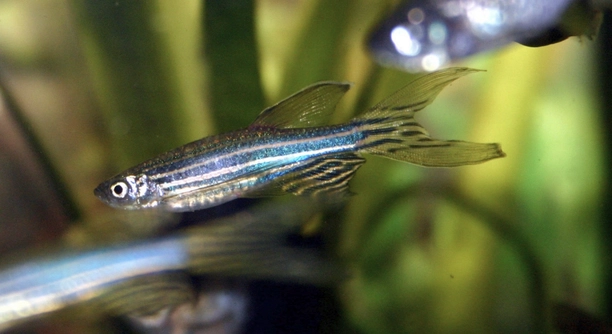
Zebra Danios are popular among new aquarium owners due to their vibrant colors and active behavior. However, several warning signs can be easily missed, potentially leading to health problems. Recognizing these signs early is crucial.
Zebra Danios display specific behavioral and physical changes when they are unwell or stressed. Common warning signs include abnormal swimming patterns, loss of color, decreased appetite, and sudden isolation. Timely identification can prevent further complications and improve their care.
Recognizing these signs will help ensure the health and well-being of your Zebra Danios. Taking action early can make a significant difference in their overall care and longevity.
Changes in Swimming Behavior
Zebra Danios are active swimmers, often darting around the tank. A change in swimming behavior, like swimming lethargically or staying near the surface, can indicate stress or illness. If your Danio stops moving or swims upside down, this is a red flag. A lack of movement could also signal poor water quality or an internal infection. Monitoring your Danio’s swimming habits is vital to detecting early signs of distress.
If you notice your fish isolating itself or avoiding the other fish, this could point to illness or discomfort. A decrease in activity usually signals that something is wrong, so it’s essential to act quickly.
Keeping an eye on how your Zebra Danios swim can help you spot problems before they worsen. Their active nature should remain consistent, so any significant deviation from normal behavior requires attention. This can prevent potential health issues from escalating and promote better tank conditions for your fish.
Loss of Color
A sudden loss of color in your Zebra Danio is often a sign of stress.
Zebra Danios are known for their bright, vibrant colors. If these colors fade or become dull, it may be a sign that your fish is under stress or not feeling well. This can happen due to poor water conditions, improper tank mates, or an underlying illness. Stress can also cause them to lose their usual stripes.
It’s essential to check the water parameters if you notice a color change. Water conditions like pH, ammonia levels, and temperature can significantly impact a Danio’s health and color. A stable, clean environment ensures your Danio stays healthy and colorful.
Decreased Appetite
A noticeable decrease in appetite is a warning sign that something may be wrong with your Zebra Danio. If it is not eating or showing disinterest in food, it could be a result of stress or a health issue.
When Danios stop eating, it can often indicate poor water quality or an illness like internal parasites. A healthy fish is typically eager to eat, so prolonged lack of appetite requires immediate attention. If your fish refuses food for more than a few days, it’s best to check the water parameters.
Environmental stressors, such as incorrect water temperature or high ammonia levels, can lead to a loss of appetite. Poor tank conditions are often a contributing factor, so ensure that your fish has a proper environment. Regular water changes and monitoring will help maintain optimal conditions for feeding and overall health.
Unusual Behavior or Aggression
Zebra Danios are generally peaceful, but unusual behavior or aggression can be signs of stress or territorial issues.
If your Zebra Danio begins acting aggressively toward other tank mates, it may indicate overcrowding or a lack of space. This behavior often arises when the tank is too small or the fish feel threatened. Aggression can also stem from improper water conditions or the presence of aggressive species in the same tank.
Monitoring your fish’s behavior will help you catch any signs of stress early. Aggressive behavior, like chasing other fish or displaying fin damage, may suggest a problem. In these cases, it’s important to assess the tank setup and ensure the right tank mates are present.
Labored Breathing
If your Zebra Danio is breathing heavily or struggling to catch its breath, it’s a sign that something is wrong. Labored breathing can be a result of poor water quality, disease, or inadequate oxygen levels.
This condition often arises when the water is not properly oxygenated or if there are high levels of toxins, such as ammonia. The fish may swim near the surface, trying to access more oxygen. It’s important to check water parameters and ensure proper filtration to resolve this issue.
If you notice rapid gill movement or frequent surface swimming, adjust the oxygen levels in the tank. Consider adding an air stone or improving the water flow to ensure your fish receives enough oxygen.
Swollen Belly
A swollen belly can indicate a few issues, including constipation or internal parasites.
Constipation in Zebra Danios may cause the fish to have a bloated belly, making it appear larger than usual. If the belly is very swollen, it could be a sign of an infection or internal parasite. It’s crucial to monitor their diet and avoid overfeeding.
Ensure the fish is being fed appropriately to avoid digestive issues. If the swelling persists or worsens, a water change and proper treatment may be required. Keep an eye on any other symptoms, such as lack of movement or hiding.
Fin Rot
Fin rot is a common problem in many fish species, including Zebra Danios. It often appears as frayed or discolored fins.
This condition is caused by bacteria and can worsen if not treated. If you notice your Danio’s fins looking ragged or developing dark edges, it’s important to check the water quality and remove any harmful substances. Properly managing stress and tank cleanliness can prevent fin rot from progressing. Regular water changes and isolation of sick fish may help limit the spread of infection.
FAQ
What should I do if my Zebra Danio is not swimming normally?
If your Zebra Danio is not swimming normally, it’s important to first check the water conditions. Poor water quality can cause lethargy or abnormal swimming. Test for ammonia, nitrites, and nitrates to ensure the water is safe. If the water quality is fine, check for any signs of illness, such as discoloration or labored breathing. Stress from overcrowding or unsuitable tank mates can also affect their behavior.
How can I tell if my Zebra Danio is sick?
Signs that your Zebra Danio may be sick include loss of color, abnormal swimming, and reduced appetite. If your fish is isolated from others, staying near the surface, or showing any physical symptoms like swollen areas or lesions, it may be sick. A change in behavior or appearance is often the first clue.
Is it normal for Zebra Danios to be aggressive?
Zebra Danios are generally peaceful fish but can show aggression in certain conditions. Overcrowding, lack of space, or the presence of more aggressive species can cause them to act aggressively. If aggression is observed, evaluate the tank size, tank mates, and environmental factors.
Why is my Zebra Danio swimming upside down?
If your Zebra Danio is swimming upside down, it could be due to swim bladder issues. This condition affects the fish’s buoyancy and can be caused by constipation, stress, or bacterial infection. It’s important to observe your fish for any other signs of distress and adjust water parameters as needed.
How do I improve the water quality for my Zebra Danio?
To improve water quality, start by regularly testing for ammonia, nitrites, and nitrates. Perform partial water changes as needed to maintain a stable environment. Make sure your filtration system is working properly and that the water temperature is appropriate for your Zebra Danios. Additionally, keep the tank clean by removing uneaten food and debris.
What are common diseases that affect Zebra Danios?
Zebra Danios can be affected by several diseases, including fin rot, dropsy, and ich. Fin rot appears as frayed or discolored fins, while dropsy causes swelling in the body. Ich is a parasitic infection that results in white spots on the fish’s body. Regular monitoring and prompt treatment are essential for recovery.
Can Zebra Danios live with other fish?
Yes, Zebra Danios can live with many other species, as long as the tank mates are peaceful and the tank is large enough. They are social fish and thrive in schools of 5 or more. Avoid keeping them with overly aggressive or territorial species, as this can lead to stress and aggression.
How often should I feed my Zebra Danio?
Zebra Danios should be fed small portions 2-3 times a day. It’s important not to overfeed, as excess food can pollute the tank. Offer a balanced diet of high-quality flake or pellet food, along with occasional live or frozen treats, such as brine shrimp or daphnia.
Why is my Zebra Danio hiding?
Hiding can be a sign of stress, illness, or discomfort. If your Zebra Danio is hiding frequently, check the water quality and tank conditions. Poor water parameters or aggressive tank mates can cause stress, leading to this behavior. It’s important to provide plenty of hiding spots to help them feel secure.
How can I treat fin rot in Zebra Danios?
To treat fin rot, start by isolating the affected fish to prevent spreading the infection. Perform a water change to improve the tank conditions, as poor water quality contributes to fin rot. Use an antibacterial treatment, available at most pet stores, to treat the infection.
Can Zebra Danios live in cold water?
Zebra Danios are hardy fish that can tolerate a range of temperatures. They thrive in water temperatures between 64°F and 75°F (18°C to 24°C). However, extreme fluctuations in temperature can stress the fish and lead to health problems. Maintain a stable environment with proper filtration and temperature regulation.
How long do Zebra Danios live?
Zebra Danios typically live for 3 to 5 years, though with proper care, they can live longer. Providing a stable environment with clean water, a balanced diet, and regular maintenance can help ensure your fish lives a long, healthy life. Keep an eye on any signs of illness or stress to address issues early.
What can cause my Zebra Danio’s fins to become damaged?
Damaged fins can occur due to physical injury from rough tank mates, poor water quality, or fighting. Sharp decorations in the tank can also cause fin damage. Ensure that tank mates are compatible and that the tank has no sharp edges that could injure the fish. Regular water changes and proper filtration will also help prevent damage.
How can I tell if my Zebra Danio is constipated?
Constipation in Zebra Danios is often indicated by a swollen belly and a lack of bowel movements. Overfeeding, especially with dry food, can lead to constipation. To treat constipation, reduce the amount of food given and offer high-fiber options like peas. If the condition persists, check the water parameters to ensure they are within the correct range.
Is it necessary to quarantine new Zebra Danios?
Yes, quarantining new fish is highly recommended to prevent the introduction of diseases into your established tank. Keep new Zebra Danios in a separate tank for 2-3 weeks to observe their health before introducing them to your main aquarium. This helps ensure they are healthy and free from parasites or illnesses.
How do I know if my Zebra Danio has parasites?
Signs of parasites in Zebra Danios include scratching against objects, white spots on the body (ich), or changes in behavior such as increased swimming or hiding. If you suspect parasites, isolate the affected fish and treat them with an appropriate anti-parasitic treatment. Maintaining clean water conditions will also help prevent future infestations.
Final Thoughts
Zebra Danios are hardy and active fish that make great pets, but they require attention to detail in terms of their care. Ensuring their environment is clean and stable is key to their well-being. Monitoring the water quality, feeding them appropriately, and providing a suitable tank size can all help maintain their health. Regular observation is crucial, as it can help you catch any signs of illness or discomfort early. Understanding their needs and making small adjustments when necessary will prevent most common issues from escalating.
While Zebra Danios are generally easy to care for, their small size and active nature mean they can be sensitive to stress and poor water conditions. Keeping the tank clean and ensuring good filtration can go a long way in preventing health problems. If your Zebra Danio does show signs of distress, whether it’s abnormal swimming, lack of appetite, or physical symptoms, quick action can often make the difference. Regular water changes, checking water parameters, and monitoring the fish’s behavior are all part of a successful care routine.
Maintaining a peaceful tank environment is also essential. Zebra Danios thrive in schools and get along well with other peaceful species. Avoiding overly aggressive tank mates and providing hiding spots can help them feel secure. With proper care, Zebra Danios can live healthy lives for several years, providing vibrant color and energy to your aquarium. Keeping their environment stable, ensuring their diet is balanced, and quickly addressing any health concerns will help you enjoy your Zebra Danios for many years to come.

Hello,
If you enjoy the content that we create, please consider saying a "Thank You!" by leaving a tip.
Every little bit helps us continue crafting quality advice that supports the health, happiness, and well-being of pets around the world, for pets of all shapes, sizes, and species.
We really appreciate the kindness and support that you show us!