
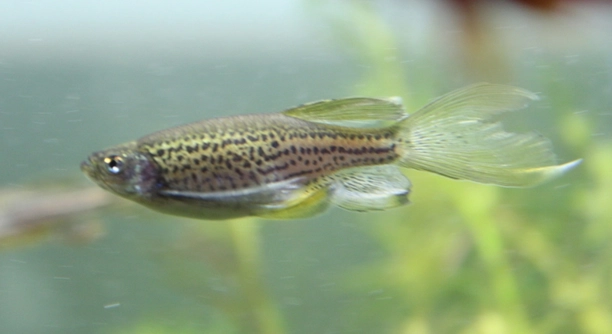
Have you ever watched your Zebra Danios swim to the surface as you approach the tank with food in hand? Their quick movements and excitement can seem more than just instinct.
Zebra Danios can learn to expect feeding times through a process known as associative learning. Studies have shown that they recognize patterns and respond to repeated cues such as light, time, and human presence.
These small fish might surprise you with just how much they can learn when it comes to their daily routines and interactions.
How Zebra Danios Recognize Feeding Time
Zebra Danios are known for being active and responsive fish. Over time, they can begin to associate certain signals with feeding. This usually includes your presence, the sound of a lid opening, or even a specific time of day. These cues become part of a routine. The fish quickly learn to expect food when these things happen. This behavior is a result of conditioning, where repeated exposure to the same signals leads to a predictable response. The more consistent the routine, the stronger the reaction becomes. It’s not just random swimming — they’re reacting to what they’ve learned. While their brains are small, they are still capable of recognizing simple patterns. This makes it easier for them to adjust to scheduled feeding. Owners often notice that their Danios start to gather at the top of the tank around feeding time. It’s a learned behavior that shows how adaptable these fish can be.
Their fast movements and attention to routine show a clear ability to connect repeated actions with outcomes like food.
Watching them respond in this way creates a connection. It also makes feeding time more than just a task — it becomes a small shared routine between you and your fish.
What Science Says About Their Learning
Scientific studies have shown that Zebra Danios can learn through both visual and time-based cues.
In research environments, Zebra Danios have been used to study basic learning and behavior. Scientists found that these fish could recognize and respond to scheduled feeding based on time intervals. They also responded to environmental cues, such as light changes or shadows. This ability is a form of associative learning — when two things are connected in the fish’s mind through repetition. It’s similar to how a pet dog might come running when it hears a food bag being opened. In one study, Zebra Danios were able to anticipate feeding time after being trained with consistent light patterns. This showed that their brains could store and act on simple associations. These findings support what many fish owners observe: their Danios are not just reacting randomly. They’re responding based on what they’ve come to expect. The science backs up what seems like simple behavior — it’s actually a result of learning through routine.
How to Tell If Your Zebra Danios Have Learned Feeding Time
One of the clearest signs is how they act when you walk by the tank. If they start swimming to the top or gathering near the feeding area, they’re likely expecting food.
Another sign is how they react at the same time each day. If you feed them on a schedule, they might start to group together even before you show up. Their behavior becomes more focused and purposeful. Instead of random swimming, they move quickly to the surface and stay there. Some may even jump slightly or show extra energy. These actions aren’t just from hunger — they’re triggered by patterns they’ve picked up. It shows they remember what usually comes next during those moments. This behavior becomes more noticeable the longer the routine is followed. A break in the pattern may confuse them at first, but they often readjust once the routine returns.
It’s also helpful to watch how they respond to different people. If they only react when you come near the tank, it shows they’ve made a connection between your presence and feeding time. This can take a few days to form, depending on how consistent the feeding schedule is. Even the sound of footsteps or a hand reaching over the tank may be enough to make them react. Their attention becomes sharper and more directed. This type of response usually fades quickly after feeding, which also helps you know it’s connected to mealtime. Paying attention to these little cues can help you better understand how your Danios learn and react.
Tips for Creating a Feeding Routine They Can Learn
Feed them at the same time each day. Keep the lighting and tank environment as consistent as possible to avoid confusion. Small actions, like using the same hand movement or feeding tool, can help reinforce the pattern.
Try feeding your Danios in the same spot in the tank every time. Fish can learn to associate specific areas with food. If you combine this with a consistent schedule, your Danios will likely begin to anticipate feeding more quickly. Using a small tap on the tank or turning on a certain light just before feeding can also serve as an added cue. Over time, these small steps create a predictable experience for your fish. If you ever need someone else to feed them, these cues can help keep the pattern familiar. Avoid overfeeding during these routines, as it’s easy to do when the fish get excited. Keep portions steady and give them time to eat fully before removing leftovers.
What to Avoid When Building Feeding Habits
Avoid feeding at random times throughout the day. This makes it harder for your Zebra Danios to learn a routine and may lead to stress or confusion in their behavior over time.
Don’t respond to begging behavior outside of scheduled feeding times. Giving food too often can cause overfeeding and disrupt the routine they’re learning.
How Long It Takes for Them to Learn
Zebra Danios usually begin to show signs of learning their feeding schedule within a few days of consistent care. For stronger and more predictable responses, it may take about one to two weeks. Keeping feeding times, sounds, and movements the same helps speed up the process. If the routine is broken or irregular, they may forget or become less responsive. However, once the pattern is reestablished, they usually adjust again fairly quickly. Patience is key. Their behavior may change slowly at first, but steady repetition works. Keep a simple log if needed to stay on track during the early stages.
Why It’s Worth the Effort
A feeding routine helps your fish feel secure and reduces unnecessary stress. It also makes it easier for you to notice any changes in their health or behavior.
FAQ
How can I tell if my Zebra Danios are hungry?
Zebra Danios show signs of hunger by becoming more active and swimming near the surface of the water when they expect food. They may also begin to circle around the area where they’re usually fed. If they swim in an excited or quick-paced manner when you approach the tank, it’s a good sign they’re hungry and anticipating mealtime.
Is it normal for my Zebra Danios to gather at the top of the tank even when they’re not being fed?
Yes, this behavior can occur when they’re expecting food or are simply in the habit of swimming near the surface. However, if they are consistently hanging around the top without being fed, it could also indicate a problem with water quality, such as low oxygen levels. Always check your tank conditions to rule out any issues.
Can Zebra Danios overeat if I feed them at regular times?
While it’s unlikely they will overeat in the sense of consuming excessive amounts in one sitting, it’s still important to give them the right portion sizes. Overfeeding can lead to waste buildup in the tank, which could harm their environment and cause health issues. Stick to small, measured portions.
Do Zebra Danios learn to recognize different people as food providers?
Yes, Zebra Danios can learn to associate specific people with feeding time. If someone in your household regularly feeds them, the fish might begin to recognize that person’s movements or presence as a signal for food. This can lead to them responding more actively when that person approaches the tank.
How often should I feed my Zebra Danios?
Zebra Danios do best with small meals two to three times a day. It’s best to stick to a regular schedule to help them learn when to expect food. This keeps them healthy and ensures they aren’t left hungry for too long or given too much food at once.
Can I use automatic feeders for my Zebra Danios?
Yes, automatic feeders can be a convenient way to maintain a consistent feeding schedule, especially when you’re away. However, it’s important to test the feeder and observe your fish’s response to make sure they are getting the right amount of food. Always make sure the food is appropriate for their size and dietary needs.
Will Zebra Danios stop eating if they are stressed?
Zebra Danios may reduce their food intake or stop eating if they are stressed. This stress could come from environmental factors, like sudden changes in water temperature, poor water quality, or overcrowding. If your fish are consistently not eating, check the tank conditions and address any potential stressors.
What types of food are best for Zebra Danios?
Zebra Danios are omnivores and enjoy a varied diet. High-quality flake foods or pellets should form the base of their diet. You can also supplement with live or frozen foods like brine shrimp, daphnia, or bloodworms. Vegetables like spinach or peas can be offered occasionally. A well-balanced diet helps keep them healthy and active.
Can Zebra Danios recognize food containers or tools?
Yes, Zebra Danios can begin to recognize the tools or containers used for feeding. If you consistently use the same spoon or container, they may start to associate it with food. Some owners report their fish swimming eagerly toward the feeding container as soon as it is visible.
Do Zebra Danios need special care when they’re fed?
Aside from providing a proper feeding routine, Zebra Danios don’t require any special care during feeding times. However, it’s important to make sure you aren’t overfeeding them. Remove any uneaten food after a few minutes to keep the tank clean and prevent any water quality issues.
How long does it take for Zebra Danios to get used to a feeding routine?
Zebra Danios can begin to recognize a feeding routine within a few days. However, it might take one to two weeks of consistent feeding at the same time and location for them to reliably anticipate food. The key is to stick with a routine so they can learn what to expect.
What happens if I break the feeding routine?
If the feeding routine is broken, Zebra Danios might show confusion or even frustration. They may not gather at the surface when expected or may swim in different areas of the tank. While they will likely readjust after a few days of consistency, frequent changes in routine can cause stress and impact their overall well-being.
Can Zebra Danios learn feeding cues without seeing me?
Zebra Danios can recognize cues beyond just your physical presence. If you use consistent sounds, like tapping the tank lid or using a particular light at feeding time, they may start to associate those noises with food. However, visual cues, such as your movement, are usually the most effective.
Should I feed my Zebra Danios before or after water changes?
It’s generally best to feed your Zebra Danios after a water change. This allows you to monitor the water conditions and ensures that their food doesn’t interfere with the cleaning process. Additionally, feeding after a water change allows you to check that the tank is in good condition for their health.
Final Thoughts
Zebra Danios are intelligent little fish, and while their brains may be small, they are quite capable of learning routines and recognizing patterns. Their ability to learn feeding times through simple cues, such as your presence or the sound of food being prepared, shows that they can adapt to their environment. This not only makes them fascinating to observe but also helps owners create a structured routine that benefits both the fish and their care. Having a set feeding time gives Danios something to look forward to and reduces stress, as they know when to expect food. This predictability can also make it easier for owners to monitor their health and behavior.
However, it’s important to remember that consistency is key when it comes to building feeding habits. Zebra Danios are creatures of habit and thrive when they have a regular schedule. Whether it’s the same time each day or specific actions that signal feeding time, they will learn to anticipate these patterns. If their routine is disrupted too frequently, it can cause confusion or stress. Keeping things consistent not only helps the fish but also makes it easier for you as an owner to stay on track with feeding and tank maintenance.
In the end, feeding your Zebra Danios at the same time every day, in the same spot, and with the same cues helps them learn and adapt to their environment. It also builds a healthy routine that supports their well-being. While the idea of “training” fish may seem odd, Zebra Danios, like many other species, are capable of developing associations with feeding times. By respecting their learning process, you can create a better, more predictable experience for both you and your fish.

Hello,
If you enjoy the content that we create, please consider saying a "Thank You!" by leaving a tip.
Every little bit helps us continue crafting quality advice that supports the health, happiness, and well-being of pets around the world, for pets of all shapes, sizes, and species.
We really appreciate the kindness and support that you show us!