
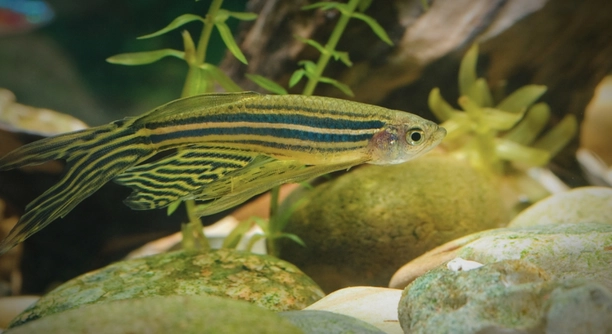
Zebra Danios are known for their lively nature, but it can be concerning when they suddenly start hiding all day. This behavior can indicate various factors, and understanding them is key to ensuring your fish stays healthy and happy.
Zebra Danios may hide for a variety of reasons, such as stress, illness, or environmental changes. A sudden change in water conditions, tank mates, or even the presence of predators can cause them to seek shelter and reduce their activity.
Addressing the factors behind your zebra danio’s behavior is crucial to improving their well-being and restoring a peaceful tank environment.
Understanding Zebra Danio Behavior
Zebra Danios are typically active and social fish, making their sudden hiding a bit of a puzzle. The most common causes are environmental stressors, changes in their surroundings, or health issues. For instance, changes in water temperature or water quality can trigger stress in the fish, prompting them to retreat into hiding. Tank mates and their interactions also play a big role—bullying or territorial behavior can cause the zebra danio to feel unsafe. Over time, these stressors can affect their overall well-being and behavior. Monitoring water parameters regularly and observing how your fish interact with each other can help pinpoint the issue.
The appearance of stress-related hiding can also point to illness, such as parasites or fin rot. This is especially true if other fish in the tank are not displaying the same behavior. If you notice changes in appearance, like faded colors or visible lesions, it might indicate an underlying health problem.
Monitoring water conditions and maintaining tank stability are essential in managing your zebra danio’s health. Ensuring a peaceful tank environment by avoiding overcrowding and introducing compatible tank mates can help alleviate their stress. Regular water changes and adding hiding spots can provide them with a sense of security. Keep a close eye on their behavior to identify any changes early and act accordingly.
Environmental Stress and Changes
When water conditions shift, zebra danios can become stressed. Rapid fluctuations in temperature, pH levels, or ammonia content can disturb their comfort. These changes make the fish feel threatened, leading to their withdrawal and hiding. It’s important to regularly test water parameters to keep the environment stable.
A balanced tank environment not only helps zebra danios stay active but also encourages them to interact with other fish. It’s helpful to set up the tank with the proper filtration and temperature controls. Avoid placing the tank in direct sunlight or near sources of strong noise. Fish can sense disturbances in their environment and may hide when they feel unsafe.
Illness and Disease
Zebra Danios may hide if they are feeling unwell, particularly if they’re dealing with parasites or bacterial infections. Symptoms like clamped fins, faded colors, or unusual swimming patterns can be signs of illness. Keeping an eye out for any visible signs of disease is key to early detection.
Fish illnesses often lead to a decrease in activity, as the fish try to conserve energy. If you notice your zebra danio hiding and showing signs of distress, isolate them in a quarantine tank to prevent the spread of disease. Water quality is especially important in these cases—poor conditions can worsen symptoms. Treatment may involve medication or adjusting the environment to make the fish more comfortable.
It’s also important to observe their behavior closely, as some illnesses are hard to detect. If symptoms persist for more than a few days, it may be necessary to consult an aquarium professional for diagnosis and treatment. A timely response can often make a difference in recovery.
Tank Mates and Social Stress
Zebra Danios are social fish but can experience stress from incompatible tank mates. Aggressive fish or those that try to dominate the space may cause the danios to hide. Watch how your other fish behave toward the danios and consider removing any problematic tank mates.
Fish such as bettas or larger, more territorial species can threaten smaller zebra danios, forcing them to retreat. Territorial disputes often lead to fish hiding in corners or behind plants. Maintaining a peaceful tank environment by choosing compatible fish can reduce this type of stress. You can also provide plenty of hiding spots for the danios to feel secure.
Creating a balanced tank with peaceful, non-aggressive species promotes social interaction and reduces stress. Introducing more hiding spots, plants, or decorations can also make the fish feel more at ease and allow them to retreat when necessary. Keep an eye on any aggression to address issues early.
Water Temperature and Conditions
Zebra Danios are sensitive to changes in water temperature. They prefer stable conditions, typically between 65°F and 75°F. If the water is too warm or too cold, they may hide to avoid stress. Regular water checks can help prevent this behavior.
If your water temperature fluctuates too much, the danios will feel stressed and hide. Using a reliable heater and thermometer can help keep the water temperature consistent. Additionally, check for other issues like high levels of ammonia or nitrites, which can also lead to discomfort and hiding. Proper filtration will support a stable environment.
Overcrowding in the Tank
Overcrowding can lead to stress, forcing zebra danios to hide. Too many fish in a small space can cause territorial conflicts. Ensure the tank has enough room for all its residents.
Overcrowding leads to competition for food and space. This increases stress levels, making fish more likely to hide. To avoid this, consider the size of your tank and the number of fish it can comfortably hold. Adding more space or removing excess fish can help reduce stress and encourage the danios to become more active.
FAQ
Why is my zebra danio hiding all day?
Zebra Danios are active fish, but if they are hiding all day, it usually points to stress or illness. Common causes include poor water quality, incorrect temperature, incompatible tank mates, or even overfeeding. It’s important to monitor water parameters regularly and ensure the tank is not overcrowded. If the danio shows signs of illness such as faded colors, unusual swimming patterns, or clamped fins, it may need to be isolated for treatment.
How can I tell if my zebra danio is sick?
Signs of sickness in zebra danios include changes in behavior, such as hiding more than usual, swimming erratically, or staying near the bottom of the tank. Physical signs like clamped fins, discoloration, lesions, or abnormal growths should be watched closely. If you notice these symptoms, isolating the fish in a quarantine tank and adjusting water conditions can help prevent the illness from spreading.
What water conditions do zebra danios need?
Zebra Danios thrive in water temperatures between 65°F and 75°F and a pH level between 6.5 and 7.5. Ammonia and nitrites should always be at zero, while nitrates should be below 20 ppm. Regular water changes (about 25% weekly) and proper filtration are key to maintaining a healthy environment.
Can zebra danios live with other fish?
Zebra Danios are generally peaceful and can live with other non-aggressive species. They work well with other small, peaceful fish like tetras or rasboras. However, they should not be housed with aggressive species such as bettas or larger, territorial fish. Always observe your fish to ensure there is no aggression.
How can I prevent my zebra danios from hiding?
To keep your zebra danios active, ensure that their environment is stable and peaceful. Regular water testing and maintaining optimal water conditions are important. Also, avoid overcrowding the tank and provide plenty of hiding spots. Introducing compatible tank mates and offering enough space for everyone can help reduce stress.
Should I be concerned if my zebra danio is not eating?
If your zebra danio is not eating, it could be due to stress, illness, or changes in the water conditions. Start by checking the water parameters and making sure the temperature is stable. Offer a variety of food to see if the fish becomes interested. If the problem persists, it may require treatment or isolation.
Why is my zebra danio swimming in circles?
Swimming in circles is usually a sign of stress or a health issue. It could be caused by poor water conditions, aggression from other fish, or an illness like a parasite. It’s important to examine the tank environment and check for signs of illness or injury.
Can zebra danios tolerate cooler water?
Zebra Danios can tolerate cooler water, but they prefer temperatures between 65°F and 75°F for optimal health. Water that is too cold may slow their metabolism and make them more vulnerable to illness. Consistently cold water can lead to stress and may cause them to hide.
How can I help my zebra danio feel more secure?
To make your zebra danio feel more secure, provide plenty of plants, rocks, and decorations that offer hiding spots. Reducing stress from aggressive tank mates and keeping the water quality stable will also help. Ensuring your tank is the right size and has adequate filtration contributes to a healthier, more comfortable environment.
Why is my zebra danio scratching against objects?
Scratching or rubbing against objects can indicate the presence of parasites like ich or external injuries. If your zebra danio is displaying this behavior, closely inspect the fish for visible signs of parasites or wounds. If parasites are suspected, a medication treatment may be needed to clear the issue.
Can zebra danios live without a filter?
While zebra danios can survive without a filter for a short period, it is not recommended. Filters help maintain water quality by removing debris and toxic substances like ammonia and nitrites. Without a filter, it becomes more difficult to maintain healthy water conditions, leading to potential stress or illness.
What should I do if my zebra danio is bullying other fish?
Zebra Danios are generally peaceful, but in some cases, they may become territorial or overly aggressive, especially if their tank is overcrowded. If bullying occurs, consider rearranging the tank layout to break territorial boundaries and provide more space for all fish. You might also need to separate the aggressive danio from others temporarily.
How often should I feed my zebra danio?
Zebra Danios should be fed small amounts two to three times a day. They are active eaters, but overfeeding can lead to poor water quality and health issues. It’s important to remove any uneaten food from the tank to prevent it from decomposing and affecting water conditions.
Why is my zebra danio’s color fading?
Fading colors in zebra danios may indicate stress, illness, or poor water conditions. Stress factors such as incompatible tank mates or fluctuating water parameters can cause their colors to dull. If you notice this, check water quality and consider isolating the fish to assess their health further.
Do zebra danios need to be kept in schools?
Zebra Danios are schooling fish and should be kept in groups of at least 5 to 6 individuals. Keeping them in groups helps reduce stress and promotes natural social behavior. A lone zebra danio may feel insecure, leading to hiding and other stress-related behaviors.
How can I treat my zebra danio for parasites?
To treat zebra danios for parasites like ich, it’s important to first isolate the affected fish in a quarantine tank to prevent the spread. Use appropriate anti-parasitic treatments available at pet stores. Adjusting the water temperature (gradually) may also help speed up the life cycle of the parasites, aiding in their elimination.
Can zebra danios live with other small fish?
Yes, zebra danios can live with other small, peaceful fish. Species such as guppies, neon tetras, and Corydoras catfish are compatible. However, avoid keeping them with aggressive or territorial fish. Always observe interactions to ensure the safety and well-being of all tank mates.
How can I tell if my zebra danio is stressed?
Signs of stress in zebra danios include hiding more often, erratic swimming, loss of color, or clamped fins. Stress can be caused by poor water quality, tank overcrowding, or aggression from other fish. Maintaining a peaceful and stable tank environment is crucial to reducing stress.
Final Thoughts
Zebra Danios are generally active and resilient fish, but like all creatures, they have specific needs to thrive in their environment. When they suddenly start hiding all day, it’s often a sign that something is wrong. Whether it’s due to water quality, stress, or health issues, identifying the cause is crucial for restoring your fish to their normal behavior. Regular water testing, temperature checks, and a good understanding of your fish’s needs can help maintain a stable environment where your danios can feel safe and comfortable.
Paying attention to the behavior of your zebra danio is essential. They are active swimmers and enjoy interacting with their environment. If they’re hiding or swimming erratically, it’s important to rule out factors like overcrowding, tank mates, or poor water conditions. In some cases, stress from improper water parameters, such as high ammonia levels or fluctuating temperatures, can cause them to retreat and become less social. By adjusting these factors and ensuring their space is safe and compatible with their needs, you can reduce stress and encourage them to come out of hiding.
Ultimately, keeping zebra danios happy and healthy involves maintaining a balanced tank and providing them with a stable, peaceful environment. Understanding the reasons behind their behavior and addressing potential problems will help you foster a positive space for your fish. Regular observation and care are key, as small changes can sometimes make a big difference. By following these guidelines, you can ensure your zebra danios stay healthy, active, and stress-free.

Hello,
If you enjoy the content that we create, please consider saying a "Thank You!" by leaving a tip.
Every little bit helps us continue crafting quality advice that supports the health, happiness, and well-being of pets around the world, for pets of all shapes, sizes, and species.
We really appreciate the kindness and support that you show us!