
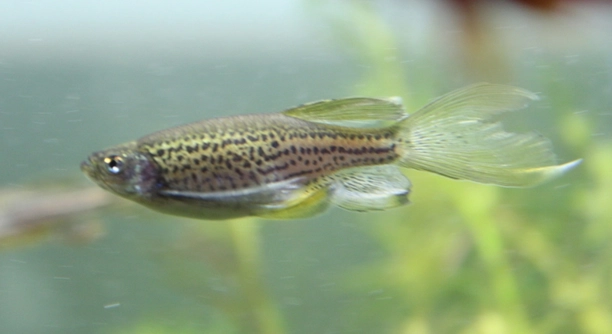
Have you ever looked at your aquarium setup and wondered if your zebra danios are truly comfortable with the substrate you’ve chosen? Whether you’re using sand or gravel, their comfort can make a noticeable difference in their behavior.
Zebra danios can live on both sand and gravel, but gravel is generally preferred for their natural behavior and tank maintenance. Gravel allows better water flow, reduces debris buildup, and mimics the rocky streambeds they are often found in.
Exploring the differences between sand and gravel can help you create a cleaner tank and a more natural space for your zebra danios.
Choosing Between Sand and Gravel for Zebra Danios
Zebra danios are active swimmers that enjoy space to dart around and explore. When setting up their tank, choosing the right substrate plays a role in their comfort and health. Gravel works well because it stays cleaner, supports beneficial bacteria, and reduces the risk of water cloudiness. It also mimics the small pebbles found in their natural habitats. While sand can look smooth and natural, it tends to compact over time and trap waste, which can lead to poor water conditions. Gravel, especially the fine type with smooth edges, offers a more practical setup that meets both aesthetic and functional needs for zebra danios and the aquarist maintaining the tank.
Sand can be used, but it requires extra cleaning to prevent waste buildup and compaction.
If you’re aiming for a low-maintenance and balanced tank, gravel gives your zebra danios a cleaner and safer environment. They’ll have plenty of room to swim without the worry of trapped debris.
Behavior and Substrate Preference
Zebra danios don’t dig or burrow, so substrate is more about water quality and ease of care.
These small fish tend to swim in the upper and middle levels of the tank, which means they don’t interact with the bottom layer as much as other species. However, the substrate still affects their well-being. Gravel is less likely to trap waste and leftover food, keeping the water healthier for longer periods. Cleaner water helps maintain stable parameters, which keeps stress levels low. While sand looks smooth and may seem natural, it can clump and lead to poor circulation, especially without regular stirring or maintenance. If you still prefer the look of sand, fine-grain options with gentle weekly cleaning can work. Ultimately, zebra danios thrive when their tank is easy to maintain and clean, and gravel offers that balance. You can even layer smooth gravel with decorative rocks or plants to give the tank a natural, structured look without sacrificing function.
Maintenance Differences Between Sand and Gravel
Gravel is easier to clean and allows waste to settle without compacting. Sand, while smooth in appearance, tends to trap debris and requires more frequent and careful cleaning to avoid buildup that can affect water quality and tank health.
When using gravel, you can easily remove waste with a siphon during water changes. Gravel’s loose structure prevents compacting, making it simpler to keep clean. Beneficial bacteria also thrive in gravel, helping maintain healthy water parameters. Sand, on the other hand, requires a more delicate approach. A gentle hand is needed during cleaning to avoid disturbing the layer and clouding the tank. Waste tends to sit on top of the sand or get trapped underneath. If not stirred regularly, sand can develop pockets that lead to poor water circulation. This can affect the overall cleanliness of the tank and create stress for your zebra danios.
Gravel not only offers better filtration support but also makes regular maintenance more manageable. With gravel, water flow through the substrate helps reduce the risk of harmful buildup. Sand can be challenging for beginners due to its tendency to hold waste in place. Unless cleaned weekly with a light hand and consistent care, it can create a less stable tank environment. While both substrates can work, gravel tends to be the more forgiving choice. It supports long-term water balance and keeps things simple when it’s time to clean, which is important for both your fish and your schedule.
Plant Growth and Tank Setup
Gravel supports plant roots better and gives them stability, while sand is fine for shallow-rooted plants but needs more attention. The type of plants you choose should guide the substrate setup in your zebra danio tank.
If you plan on adding live plants, gravel gives them more anchoring support and encourages strong root development. It allows water and nutrients to flow freely through the layers, creating a stable environment for most rooted species. Sand is better for plants that feed from the water column or have small root systems, like Anubias or Java fern. However, sand may compact around plant roots and limit growth unless mixed with root tabs or enriched layers. In tanks with lots of movement or bottom-feeding species, gravel also keeps plants more securely in place. Choosing the right substrate depends on the needs of your plants and how much effort you want to put into maintaining the balance between plant health and water quality.
Cost and Availability
Gravel is widely available at pet stores and comes in a range of sizes and colors, often at a lower price than aquarium-grade sand. It’s a budget-friendly choice that’s easy to find and replace when needed.
Aquarium sand can be more expensive and sometimes harder to find in specific types. If you’re aiming for a particular look, costs can add up. Additionally, some sands aren’t safe for fish tanks and may need rinsing or buffering before use.
Best Substrate for Zebra Danio Tanks
Gravel is the most practical option for zebra danio tanks. It supports filtration, encourages healthy bacteria, and reduces the risk of trapped debris. Sand can work if maintained carefully, but it’s better suited for fish that need softer substrates or enjoy burrowing. Since zebra danios are active swimmers that don’t rely on substrate for interaction, gravel’s ease of maintenance makes it ideal. It allows for better water movement and fewer long-term problems. If you prefer a natural appearance, fine gravel in neutral tones creates a clean and balanced setup. Both options can work, but gravel fits zebra danios’ needs best.
Final Thoughts on Substrate Choice
Gravel is easier to maintain and supports a healthier tank setup for zebra danios. Sand can work, but it takes more effort.
FAQ
Can zebra danios live in a tank with sand only?
Yes, zebra danios can live in a tank with only sand. Since they are mid-to-top swimmers, they don’t interact with the substrate as much as bottom dwellers do. However, sand needs regular cleaning to avoid waste buildup. You’ll need to lightly stir the sand during maintenance and vacuum debris from the surface. It’s important to avoid compacting the sand, as this can create low-oxygen pockets. While zebra danios don’t depend on substrate texture, poor water conditions from unclean sand can affect their health. If using sand, commit to more consistent upkeep to maintain a stable tank environment.
Is gravel too rough for zebra danios?
Gravel is not too rough for zebra danios. These fish don’t spend much time near the tank bottom, so the texture of gravel doesn’t pose a risk to them. Even if they swim close to the substrate, their fins and bodies aren’t affected by smooth-edged aquarium gravel. Just avoid using sharp or jagged stones that could injure other tank mates. Rounded pea gravel or small smooth stones are perfect for zebra danio tanks. In fact, gravel supports beneficial bacteria growth and makes cleaning easier, which in turn helps keep the water safe for your zebra danios.
Does the color of the substrate matter to zebra danios?
Zebra danios don’t require a specific substrate color, but lighter or neutral-colored gravel can help create a natural-looking environment. While the fish may not react directly to the substrate’s color, a calm and steady visual tone helps reduce stress. Bright or very dark substrates can sometimes reflect light in a way that may disturb fish or make the tank feel unnatural. Choosing a color that mimics riverbeds or natural water environments tends to create a more soothing setup overall. Your personal preference can guide the decision, but always avoid substrates with artificial dyes that can leach into the water.
Which is better for a beginner, sand or gravel?
Gravel is a better choice for beginners. It’s easier to clean, less likely to compact, and more forgiving when it comes to debris removal. Gravel allows waste to settle between the stones, where it can be vacuumed during water changes without much effort. Sand, while smooth and visually appealing, requires a more careful touch. It’s easy to stir up cloudy water, and waste can sit on top or become trapped. For new aquarists, gravel reduces the risk of water quality issues and makes the whole tank maintenance process simpler. It’s a reliable option for setting up your first tank.
Can live plants grow well in sand or gravel?
Live plants can grow in both sand and gravel, but gravel tends to be more supportive for root development. Gravel allows roots to spread and access nutrients without becoming restricted. Sand, though softer, compacts easily and may limit oxygen flow to the roots. To grow plants in sand successfully, you may need to add root tabs or use a nutrient-rich base layer underneath. Shallow-rooted plants like Java fern or Anubias can thrive in either setup. For plants with deep roots, gravel is more effective and helps them anchor securely. Choose your substrate based on the plants you plan to keep.
Do zebra danios prefer one substrate over the other?
Zebra danios don’t show a strong preference for either sand or gravel. Since they spend most of their time swimming in the upper and middle parts of the tank, the substrate doesn’t affect their behavior much. What matters more is how the substrate impacts water quality. A clean, well-maintained substrate—whether sand or gravel—will keep your zebra danios healthy. That said, gravel offers better support for filtration and is easier to manage. While sand can work, it requires more care. Ultimately, the choice depends on your cleaning habits, the other fish in the tank, and the setup you want to create.
How often should you clean the substrate in a zebra danio tank?
It’s best to clean your substrate during your regular weekly water changes. For gravel, use a siphon to vacuum between the stones and remove any trapped debris. This method is quick and doesn’t disturb your tank setup much. For sand, gently vacuum the surface and stir the top layer to release any trapped gases or hidden waste. Be careful not to suck up too much sand, and avoid creating large clouds of debris. Consistent cleaning not only keeps the tank looking neat but also prevents harmful spikes in ammonia or nitrite, which can affect your zebra danios’ health.
Final Thoughts
Choosing between sand and gravel for your zebra danio tank comes down to how much time you want to spend on cleaning, the look you prefer, and the type of plants or tank mates you plan to include. Zebra danios don’t have a strong preference since they swim in the middle and top areas of the tank. That means the substrate plays a bigger role in water quality and plant health than in the fish’s daily life. Gravel is easier to clean, supports plant roots better, and promotes beneficial bacteria. Sand looks softer and more natural, but it takes more work to keep clean and avoid compaction. Both options can work well if you keep the tank clean and balanced.
Zebra danios are hardy, active fish that do well in a variety of setups. What matters most is that their tank stays clean, stable, and safe. If you are new to aquarium care, gravel might make things easier in the long run. It’s simple to vacuum, allows waste to fall between gaps, and doesn’t cloud the water easily. Sand, while visually appealing, tends to trap waste on the surface and needs more frequent maintenance. You’ll also need to stir it from time to time to prevent anaerobic pockets from forming underneath. If you enjoy a more natural look and are ready to stay on top of cleaning, sand can be just as effective.
In the end, your setup should match your comfort level and care routine. A peaceful, clean environment with consistent water quality will always benefit your zebra danios no matter which substrate you choose. Whether you go with sand or gravel, make sure to test your water regularly, clean the tank often, and give your fish enough room to swim. If you want live plants, gravel may offer better root support, but you can also add nutrients to sand if that’s your choice. Both options can support a healthy and thriving tank when properly managed. By staying consistent with your maintenance and keeping your fish’s needs in mind, you can build a setup that’s both functional and enjoyable to maintain.

Hello,
If you enjoy the content that we create, please consider saying a "Thank You!" by leaving a tip.
Every little bit helps us continue crafting quality advice that supports the health, happiness, and well-being of pets around the world, for pets of all shapes, sizes, and species.
We really appreciate the kindness and support that you show us!