
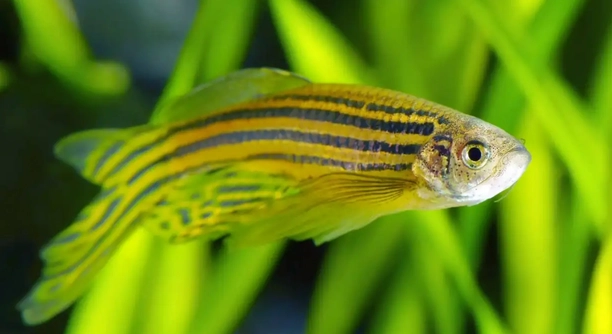
Zebra Danios are a popular fish in home aquariums. If you have a pair of them, you may notice differences between males and females. Understanding these differences can help you better care for your fish.
Male and female Zebra Danios differ in size, color, and behavior. Males are generally smaller and more vibrant in color, with brighter stripes. Females tend to be larger and rounder, especially when they are carrying eggs. These physical differences help distinguish them.
Knowing the differences can enhance your understanding of Zebra Danio behavior and care. This information will assist in creating a more suitable environment for your fish.
Size Differences Between Male and Female Zebra Danios
Male and female Zebra Danios differ in size, with males being noticeably smaller. This size difference becomes apparent when the fish reach maturity. Typically, males measure around 1.5 inches, while females can grow to about 2 inches. The difference is particularly evident when both fish are kept together in an aquarium. When pregnant, females may appear even larger due to the development of eggs inside their bodies.
The size variation is not just for appearance; it also impacts behavior. Males tend to be more active and aggressive, often competing for mates or territory. They chase each other around and engage in vibrant displays to attract females. On the other hand, females are generally less active and spend more time resting.
These size differences make it easier to tell the sexes apart. While it can be tricky to distinguish between the two when they are younger, size becomes a key indicator as they mature. With proper care, both males and females can thrive in a home aquarium.
Behavioral Traits of Male and Female Zebra Danios
Behavior plays a significant role in identifying male and female Zebra Danios. Males are often seen displaying more vibrant colors and quick movements.
Males are usually more active, engaging in frequent chasing or flashing their colors to attract females. These behaviors are linked to mating rituals. Females, however, are less active and focus more on resting or swimming at a steady pace. Their movements are usually slower and more deliberate. This distinct contrast in activity levels helps when determining the sex of the fish.
Color Differences Between Male and Female Zebra Danios
Male Zebra Danios are generally more colorful than females. Their stripes tend to be brighter and more vivid, especially when they are courting or competing. Males also exhibit iridescent hues, making them stand out more in the aquarium.
This striking coloration is a way for males to attract females, signaling their health and genetic fitness. The vibrancy of their colors is most noticeable during mating seasons, as they try to impress females. In contrast, females typically have more muted colors, with paler stripes that are not as pronounced.
While the color difference is noticeable, it’s not always obvious in younger fish. As they age and mature, males’ bright hues become more apparent, making it easier to differentiate them from females.
Body Shape Variations
Males and females have different body shapes. Females tend to have fuller, rounder bodies, especially when they are carrying eggs. This is especially noticeable when they are close to spawning.
Males are slimmer and more streamlined, with a body shape built for speed and agility. This helps them chase after females or compete with other males. The difference in body shape becomes more pronounced as the fish mature. Females, on the other hand, maintain a rounder profile, even when not carrying eggs.
Understanding these body shape differences is key for identifying the sex of your Zebra Danios. These variations are helpful for breeding or simply observing their behavior.
Swimming Patterns and Activity
Males tend to swim faster and more actively than females. Their energy is often directed towards finding mates or defending territory. Males can frequently be seen darting through the tank, especially in the presence of females.
Females, in contrast, swim more calmly and at a steadier pace. While they may engage in some activity, they generally prefer to stay near the middle or bottom of the tank. This difference in swimming patterns can help in identifying the sex of your Zebra Danios.
Reproductive Behavior and Egg-Laying
When it comes to reproduction, females are responsible for laying the eggs. During the breeding process, males will chase the females, encouraging them to release eggs. The males fertilize them immediately afterward.
The reproductive process often takes place early in the morning. Females usually release their eggs in plant-covered areas or substrate, where the eggs can be protected. Males will follow closely behind, fertilizing the eggs within moments. The behavior is a clear indication of the sex differences between the two.
Breeding Compatibility
Males and females of Zebra Danios breed easily when kept together in a suitable environment. However, proper tank conditions are crucial for successful breeding. Males must be in peak health to compete for the attention of the female, while females should be well-fed and healthy for egg production.
To increase breeding success, ensure the water temperature is optimal and the tank is equipped with live plants. The presence of plants helps the eggs stay hidden and protected from being eaten by the adults or other fish.
FAQ
How can I tell if my Zebra Danio is male or female?
The easiest way to tell if your Zebra Danio is male or female is by looking at its size and shape. Males are typically smaller and slimmer, while females are larger and rounder, especially when carrying eggs. Additionally, males have brighter, more vibrant stripes compared to females, which are usually duller in color.
Do male and female Zebra Danios behave differently?
Yes, males and females display different behaviors. Males are more active, often seen darting around the tank and chasing females or other males. They also display more vibrant colors during mating seasons to attract females. Females are generally calmer and swim at a slower pace.
What is the best way to breed Zebra Danios?
To breed Zebra Danios successfully, keep a ratio of two to three females for every male. This ensures that the males don’t overwhelm the females. Set the water temperature between 72°F to 80°F and provide plenty of plants or hiding spots for the eggs. Males will chase the females, encouraging egg-laying, and will fertilize them immediately.
How often do Zebra Danios breed?
Zebra Danios breed frequently, often every few days during the breeding season. They lay eggs in the morning hours, and the eggs hatch in about 2-3 days. However, if you don’t want your adult Danios to eat the eggs, it’s a good idea to have a breeding tank or provide plenty of plants for the eggs to rest in.
Can Zebra Danios live together in groups of both sexes?
Yes, Zebra Danios can live together in groups that include both males and females. In fact, they thrive in schools of at least six individuals. Having a mix of males and females will encourage natural behavior, including mating displays. However, males may compete for the attention of females, so it’s essential to ensure enough space.
How do I ensure my Zebra Danios stay healthy and happy?
To keep your Zebra Danios healthy, maintain a consistent water temperature between 72°F and 78°F, with a pH level of 6.5 to 7.5. Provide a well-balanced diet of high-quality fish flakes, and occasionally supplement with live or frozen foods like brine shrimp. Also, ensure the tank has ample swimming space and hiding spots for them to explore.
How can I tell if a Zebra Danio is sick?
If your Zebra Danio is sick, you might notice signs like lethargy, abnormal swimming patterns, or changes in appearance such as faded stripes, lesions, or bloating. They may also refuse to eat. If you notice these signs, it’s crucial to isolate the fish and monitor it closely to prevent the spread of illness.
Why is my Zebra Danio’s color fading?
A Zebra Danio’s color can fade for several reasons, including stress, poor water quality, or illness. Ensure the tank conditions are stable, with clean water and appropriate temperature. Stress from overcrowding or aggressive tankmates can also cause the colors to fade. Providing a peaceful environment should help restore their vibrant colors.
How long do Zebra Danios live?
Zebra Danios generally live for 3 to 5 years when kept in a well-maintained tank. Factors like water quality, diet, and tank size can all affect their lifespan. Proper care and attention to their needs will help them live a long, healthy life.
Can Zebra Danios live with other fish?
Zebra Danios are peaceful and can live with a variety of other fish, especially those of similar size and temperament. Avoid keeping them with aggressive species, as they may be bullied or stressed. Danios generally do well with other small, non-aggressive species like tetras, guppies, and rasboras.
Do Zebra Danios need a heater in their tank?
While Zebra Danios are adaptable to a range of temperatures, they thrive in water between 72°F and 78°F. If your room temperature fluctuates, it’s a good idea to have a heater to maintain a consistent temperature. Consistent temperatures help prevent stress and keep your fish healthy.
Can Zebra Danios tolerate a variety of water conditions?
Zebra Danios are hardy and can tolerate a range of water conditions, but they do best in slightly alkaline water with a pH of 6.5 to 7.5. Ensure the water is clean and free of contaminants, and perform regular water changes. If the water quality is poor, it can lead to stress and health issues.
Are Zebra Danios easy to breed?
Yes, Zebra Danios are relatively easy to breed. Once they are mature and the conditions are right, they will breed frequently. Providing a breeding tank or a setup with plenty of plants will help protect the eggs from being eaten by the adults. The process is quick, and the eggs hatch within a few days.
What should I feed my Zebra Danios?
Zebra Danios are omnivores and will eat a variety of foods. They thrive on high-quality fish flakes, but you can also feed them live or frozen foods like brine shrimp, daphnia, or bloodworms. Offering a balanced diet ensures they get the proper nutrients to stay healthy and active.
How can I encourage my Zebra Danios to spawn?
To encourage your Zebra Danios to spawn, you can simulate the natural breeding conditions. Gradually increase the water temperature to around 80°F and ensure the tank has plenty of plants where eggs can be laid. Male Danios will chase the females, and spawning will occur when the female releases her eggs.
Why are my Zebra Danios constantly chasing each other?
Zebra Danios, particularly males, will often chase each other as part of their territorial or mating behavior. Males may chase both other males and females in an attempt to claim territory or attract a mate. This is normal behavior, but excessive chasing can be a sign of overcrowding or stress.
What is the ideal tank size for Zebra Danios?
Zebra Danios do best in a tank that is at least 10 gallons. While they are small, they are active swimmers and need enough space to move around. Keeping a group of at least six Zebra Danios will ensure they feel secure and can interact naturally with each other.
Are Zebra Danios prone to any diseases?
Like many fish, Zebra Danios can be susceptible to certain diseases, such as ich or fin rot, especially if the water quality is poor. Regular tank maintenance, such as water changes and filter cleaning, can help prevent outbreaks. Keeping an eye on your fish and providing a stress-free environment will also help reduce the risk of illness.
Final Thoughts
Zebra Danios are a popular choice for both beginner and experienced fish keepers due to their hardiness and ease of care. They adapt well to different water conditions and can thrive in a variety of environments. Their active nature and colorful stripes make them an exciting addition to any aquarium. Understanding the key differences between male and female Zebra Danios can help you better care for them and ensure they remain healthy. Whether you are interested in breeding or simply want to observe their natural behaviors, knowing how to identify their gender can make a significant difference in how you manage your tank.
Both male and female Zebra Danios exhibit unique characteristics that can enhance the overall dynamics of your aquarium. Males are typically smaller, more active, and show brighter colors, especially during mating season. On the other hand, females are larger and rounder, particularly when they are carrying eggs. These differences help with identification and allow you to better understand their behavior. By keeping a healthy mix of males and females, you can encourage natural social interactions and breeding. It’s important to remember that while the males may be more active, the females still play a vital role in reproduction and the health of the tank.
Overall, caring for Zebra Danios involves maintaining a balanced environment with the proper water temperature, quality, and tank size. Regular water changes and appropriate feeding will ensure that your Danios remain healthy and happy. If you plan to breed them, it’s helpful to provide a separate breeding tank or plenty of plants for the eggs. Whether you’re interested in watching their playful behavior or breeding them, Zebra Danios are a rewarding species to keep. Their differences in behavior and appearance add variety to your aquarium and offer valuable insights into their natural instincts.

Hello,
If you enjoy the content that we create, please consider saying a "Thank You!" by leaving a tip.
Every little bit helps us continue crafting quality advice that supports the health, happiness, and well-being of pets around the world, for pets of all shapes, sizes, and species.
We really appreciate the kindness and support that you show us!