
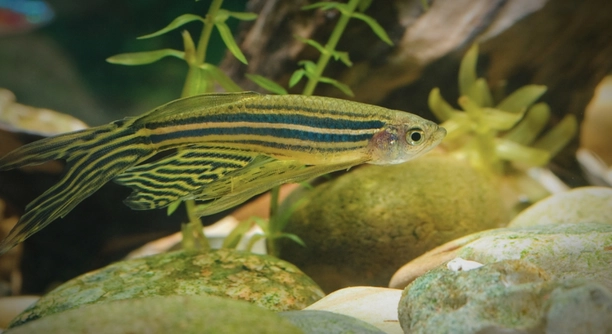
Zebra Danio eggs are a fascinating aspect of this popular aquarium fish. Understanding their development and behavior can deepen your appreciation for these small creatures. Here are some things you might not know about their eggs.
Zebra Danio eggs are small, transparent, and typically laid in clusters. They are fertilized externally and develop rapidly, hatching in approximately 2-3 days. These eggs require optimal water conditions, including temperature and water quality, for successful development.
Their eggs are more than just a stage in their life cycle; there are fascinating details about how they grow and what conditions affect their development.
1. The Unique Features of Zebra Danio Eggs
Zebra Danio eggs stand out due to their small, transparent appearance and their ability to develop quickly. The eggs are laid in small groups, sticking to plants or other surfaces in the aquarium. Each egg is transparent enough to observe the developing embryo inside, making them interesting to watch. This transparency is a key feature, as it allows aquarists to monitor the health and growth of the eggs more closely. The development time is usually short, with the eggs hatching in two to three days.
The eggs are fertilized externally, which means the female releases her eggs, and the male fertilizes them once they are outside her body. This method is common in many species, but the speed at which Zebra Danio eggs develop is what makes them unique.
Their transparent nature and quick development make these eggs a wonderful learning experience for anyone interested in observing fish reproduction. The combination of fast growth and the ability to witness the entire process up close adds a fascinating layer to keeping these fish.
2. What Zebra Danio Eggs Need to Thrive
For successful development, Zebra Danio eggs require specific conditions. Clean water, an appropriate temperature range, and proper oxygenation are essential for optimal growth.
Maintaining a water temperature between 74°F and 80°F (23°C to 27°C) ensures the eggs have the right environment to develop. Water quality is crucial, and frequent water changes may be needed to keep the eggs healthy. Too much organic waste or debris in the water can hinder their development. It is also important to keep the water well-oxygenated, as this helps the embryos grow efficiently.
If the water temperature and conditions are kept stable, Zebra Danio eggs will hatch without issue. However, any changes in the water environment, such as fluctuations in temperature or sudden changes in water quality, can negatively impact the development. Therefore, creating the right environment from the start is key to a successful hatch.
3. The Importance of Proper Water Conditions
Water conditions play a critical role in the health and development of Zebra Danio eggs. Maintaining clean, stable water helps the eggs grow without any interference. It’s vital to monitor the water for proper pH, temperature, and oxygen levels.
A consistent temperature range of 74°F to 80°F (23°C to 27°C) is optimal for Zebra Danio eggs. If the water is too cold or too hot, the development can be delayed or even halted. Regularly testing the water and making adjustments to keep the pH balanced between 6.5 and 7.5 ensures the eggs are in their ideal environment.
Additionally, the oxygen level in the water is crucial for the embryos to develop properly. Low oxygen levels can stunt the growth of the eggs, while too high a level can cause stress. Ensuring a proper filtration system is in place helps maintain these conditions. With proper water care, Zebra Danio eggs are much more likely to hatch successfully.
4. How to Spot Healthy Zebra Danio Eggs
Healthy Zebra Danio eggs are small, translucent, and usually attached to a surface like plants or aquarium glass. When observing the eggs, look for clear, colorless eggs with visible embryos inside.
In contrast, unhealthy eggs may appear discolored or have a cloudy appearance, indicating contamination or poor water conditions. If the eggs turn white or develop fungal growth, they are likely infected and may not hatch. Regular monitoring helps ensure you catch any signs of trouble early.
Healthy Zebra Danio eggs typically hatch within 2-3 days, but this can vary depending on water temperature. If eggs are not hatching after several days, it’s essential to check the water conditions and remove any dead or infected eggs to prevent them from affecting the others.
5. How Long It Takes for Zebra Danio Eggs to Hatch
Zebra Danio eggs typically hatch within 2 to 3 days. The exact time depends on the water temperature and environmental conditions. Warmer water speeds up the hatching process.
If the temperature is consistently in the optimal range of 74°F to 80°F, you can expect the eggs to hatch fairly quickly. However, colder temperatures can extend the hatching time. Keep an eye on the eggs and adjust the conditions as necessary to ensure they develop properly.
In some cases, it can take a bit longer for the eggs to hatch, but they should remain translucent and clear as they develop.
6. What Happens After the Eggs Hatch
Once Zebra Danio eggs hatch, the larvae are very small and can be difficult to see. These newly hatched fish are called fry, and they have a yolk sac that provides nutrients until they are ready to start feeding.
The fry begin to swim within a few hours after hatching, although they are still very delicate. It’s important to provide them with a safe environment, free from adult fish that may see them as food. At this stage, they will need infusoria or newly hatched brine shrimp as their first food sources.
Over time, the fry will grow stronger, and their color patterns will start to develop. Keep water conditions stable, as any fluctuations can harm the fry and hinder their growth.
7. How to Protect Zebra Danio Eggs from Other Fish
Zebra Danio eggs can be at risk from other fish in the tank, especially adult Danios or other opportunistic feeders. It’s important to protect the eggs to ensure they are able to develop properly.
One way to protect the eggs is by using a breeding trap or separate breeding tank. This keeps the eggs away from the adults, who may eat them. Additionally, adding plants or spawning mops in the tank gives the eggs places to cling to, which helps keep them safe. These items not only provide safety but also offer a more natural environment for the eggs to develop.
FAQ
1. How can I tell if my Zebra Danio eggs are fertilized?
Fertilized Zebra Danio eggs are typically clear and transparent, with no signs of cloudiness. You can often see tiny embryos developing inside the egg. If the eggs look white or cloudy, they are most likely not fertilized or may have been affected by poor water conditions. The fertilization process happens quickly after the female lays her eggs, and the male releases sperm, which fertilizes them externally.
2. Should I remove the eggs from the tank after they are laid?
It is not always necessary to remove Zebra Danio eggs from the tank. However, if you have other fish in the aquarium that may eat the eggs, it’s a good idea to remove them to a breeding trap or a separate tank. If you choose not to remove the eggs, ensure the water conditions are ideal to prevent contamination. A separate tank can also give you better control over the environment.
3. How can I help my Zebra Danio eggs hatch faster?
To encourage Zebra Danio eggs to hatch faster, maintain the water temperature between 74°F and 80°F (23°C to 27°C). Warmer water speeds up the development process, but avoid going beyond 80°F as it can stress the eggs. Keep the water clean and oxygenated, and provide a stable environment to help the eggs hatch efficiently.
4. Can Zebra Danio eggs survive without air pumps?
While air pumps are not strictly necessary, they can improve oxygenation in the water, which is important for the healthy development of Zebra Danio eggs. Without sufficient oxygen, the eggs may not develop properly or hatch at all. If you are not using an air pump, ensure that the water is well-aerated by using a filter or performing regular water changes to maintain proper oxygen levels.
5. How do I prevent fungus on Zebra Danio eggs?
Fungus can be a common issue for Zebra Danio eggs. To prevent fungal growth, maintain excellent water quality and remove any uneaten food or debris promptly. If you notice fungus on the eggs, remove the affected ones immediately to prevent it from spreading to others. Adding a small amount of aquarium salt can also help prevent fungal infections. Make sure to monitor the water temperature and keep it within the recommended range.
6. Do I need to feed the Zebra Danio fry immediately after hatching?
Zebra Danio fry do not require food immediately after hatching, as they will rely on the yolk sac for nourishment for the first few days. Once the fry have absorbed their yolk sac, you should start feeding them with small foods like infusoria or newly hatched brine shrimp. It’s important to feed them frequently in small amounts, as their tiny size makes it harder for them to consume large portions.
7. Can Zebra Danio eggs be raised in a community tank?
While Zebra Danio eggs can technically be raised in a community tank, it’s generally not recommended. Adult fish may see the eggs as a food source, and the eggs are vulnerable to being eaten. If you want to raise the eggs successfully, it’s better to place them in a breeding trap or separate tank where the eggs can develop without interference from other fish.
8. How do I know when Zebra Danio eggs are about to hatch?
Zebra Danio eggs typically hatch within 2 to 3 days, and you’ll notice slight changes as they develop. The embryos inside the eggs will become visible, and you may see them move around a little. When the eggs turn from clear to opaque or start to show signs of hatching, it’s time to prepare for the fry to emerge.
9. Can I use artificial incubation for Zebra Danio eggs?
Artificial incubation is not typically necessary for Zebra Danio eggs, but it can be done with the right equipment. Maintaining consistent temperature and water conditions is key to successful artificial incubation. You would need a small container with proper filtration and an air pump to ensure oxygen flow. The water temperature should be kept stable within the recommended range for the best results.
10. Why are my Zebra Danio eggs not hatching?
If your Zebra Danio eggs are not hatching, there could be several reasons. Common causes include poor water conditions, such as an incorrect temperature or low oxygen levels, or eggs that were not properly fertilized. Additionally, any sudden changes in water parameters can stress the eggs and prevent hatching. Check the water conditions and remove any dead or fungal-infected eggs to improve the chances of healthy hatching.
11. How can I increase the chances of fertilization?
To improve the chances of fertilization, ensure that your Zebra Danio pair is well-fed and healthy. Provide optimal water conditions, including the correct temperature range and stable pH. In some cases, you may want to increase the number of males to improve the chances of fertilization, as multiple males can increase the likelihood of sperm reaching the eggs.
12. Should I feed adult Zebra Danios while breeding?
Yes, it is important to feed adult Zebra Danios a balanced diet during breeding. A healthy diet ensures that the adults are strong and capable of producing high-quality eggs and sperm. Offer a variety of foods, including live and frozen foods, to ensure the adults are properly nourished. This will help them breed successfully and produce viable eggs.
13. Can I remove the fry after they hatch?
Once the fry have absorbed their yolk sac and are swimming actively, it’s a good idea to move them to a separate tank or breeding area. This will help protect them from adult fish and ensure they have enough space to grow. When you move the fry, make sure the new environment has appropriate water conditions and plenty of food available.
14. Can Zebra Danios breed with other species?
Zebra Danios generally do not breed with other species, as they have specific breeding behaviors and requirements. However, they may breed with other Danio species under the right conditions, but this is not common. If you want to breed Zebra Danios, it’s best to keep them in a species-specific tank to ensure successful breeding.
15. Do I need to add extra lighting to encourage breeding?
Extra lighting can help encourage Zebra Danio breeding, especially if the tank has a light cycle that mimics their natural environment. A consistent light cycle of around 12 hours of light and 12 hours of darkness can stimulate breeding. However, it’s not absolutely necessary to add extra lighting if the tank already has an appropriate light cycle.
Final Thoughts
Zebra Danio eggs are fascinating to observe, and their development provides valuable insights into the breeding and care of aquarium fish. From understanding how to spot fertilized eggs to providing the right environment for successful hatching, it’s clear that a little attention to detail can go a long way. Whether you are a beginner or an experienced fish keeper, knowing the basics of caring for Zebra Danio eggs can help you enjoy a more rewarding experience. Keeping their tank clean, ensuring the right water parameters, and removing any eggs that show signs of infection are simple steps that can improve hatch rates and fry survival.
It’s also important to remember that breeding Zebra Danios can take time and patience. Success doesn’t always happen overnight, and you may face challenges such as dealing with fungus, removing non-fertilized eggs, or finding the right foods for fry. But with each step, you’ll learn more about the process. Even if you encounter setbacks, the process is educational, and each hatching offers the chance to see life emerge from something as tiny as an egg. Understanding these details not only helps you raise healthy fry but also ensures the well-being of the adult fish.
In conclusion, while Zebra Danios are relatively easy to care for, breeding them and raising the eggs can present a learning curve. By providing the right conditions and paying attention to their needs, you can improve your chances of successfully raising fry. Whether you’re simply fascinated by the process or looking to expand your fish collection, breeding Zebra Danios is an enjoyable and rewarding endeavor. Keep observing, adjusting, and experimenting, and soon you’ll gain confidence in managing the entire life cycle of these vibrant fish.

Hello,
If you enjoy the content that we create, please consider saying a "Thank You!" by leaving a tip.
Every little bit helps us continue crafting quality advice that supports the health, happiness, and well-being of pets around the world, for pets of all shapes, sizes, and species.
We really appreciate the kindness and support that you show us!