
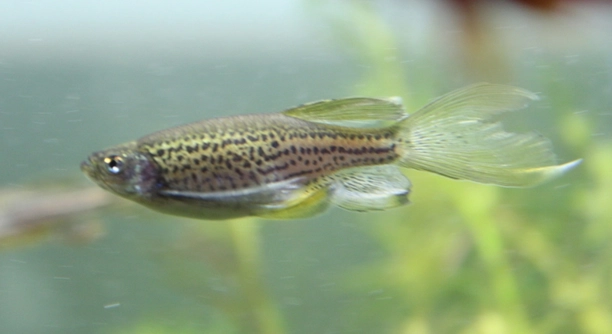
Zebra Danios are popular aquarium fish known for their lively and active nature. However, like all pets, they can experience overstimulation, which can affect their well-being. It’s important to understand how to recognize this behavior.
Overstimulation in Zebra Danios often manifests as erratic swimming, frequent darting, or hiding. This may be caused by too much light, loud sounds, or overcrowded tanks. It’s essential to monitor their environment for any stress-inducing factors.
Understanding these signs and factors can help you provide a calmer, healthier environment for your fish. By observing their behavior closely, you can ensure their comfort and well-being in your tank.
Common Signs of Overstimulated Zebra Danios
Zebra Danios are small, energetic fish, and when overstimulated, they can exhibit noticeable changes in behavior. You might notice them swimming rapidly in circles or darting back and forth. This erratic movement can be a sign of stress from overstimulation. Another common indicator is hiding, where the fish may seek refuge in corners or behind plants. Overstimulated fish may also appear less active or stop eating as frequently, as they’re trying to cope with the stress. It’s important to observe these signs carefully to determine if your Zebra Danio is experiencing overstimulation.
Over time, if left unchecked, this stress can negatively affect their health. Keeping a close eye on your fish’s behavior is essential for their well-being.
Environmental factors play a significant role in the behavior of your Zebra Danios. Things like loud noises, bright lights, or sudden movements can make them feel threatened or anxious. It’s essential to create a calm, consistent environment to help them feel secure. Keeping their tank well-maintained, with proper lighting and water conditions, can go a long way in reducing overstimulation. Avoiding quick, sudden changes to the tank setup will also help your fish feel more comfortable.
How Tank Conditions Affect Their Behavior
Tank conditions are one of the primary factors affecting a Zebra Danio’s mood.
Water temperature and cleanliness are critical elements. If the water is too warm or too cold, or if it’s not clean, your fish may become stressed. Maintaining a stable temperature between 72°F and 78°F (22°C to 26°C) is ideal for Zebra Danios. Regular water changes are also necessary to keep the tank fresh and free of harmful chemicals. Additionally, poor filtration can lead to a build-up of toxins in the water, further contributing to stress. It’s also important to monitor the pH and hardness of the water, as extreme changes can cause discomfort for your fish.
Proper tank setup can also help reduce overstimulation. Make sure the tank has enough space for them to swim comfortably and that there are places to hide when needed. Plants and decorations can offer hiding spots, allowing them to retreat when feeling overwhelmed. Overcrowding in a tank can increase competition for space and food, leading to unnecessary stress. A well-maintained tank with appropriate water conditions will create a more peaceful environment, reducing the risk of overstimulation.
The Role of Lighting in Overstimulating Zebra Danios
Lighting plays a significant role in the well-being of Zebra Danios. Bright, intense lights can stress them out, causing erratic behavior. Using a light that simulates a natural day-night cycle can help them feel more secure. It’s important to not keep the lights on for too long, as too much exposure can also disrupt their routine.
The type of lighting matters too. LED lights are commonly used in aquariums, but they can be too harsh for Zebra Danios if left on too long. Aim for 8-12 hours of light a day, mimicking a natural day. Consider adding a timer to maintain consistency. Dimmer lighting can help your fish feel calmer and encourage more natural behaviors. On the other hand, lighting that’s too low might make them feel insecure, which can also lead to stress. Find a balance that works for both your aquarium and your fish’s temperament.
Setting the lighting correctly is about creating a balanced atmosphere for your Zebra Danios. Overexposure to light can lead to hyperactivity and stressed behavior. By maintaining proper light intensity and duration, you allow your fish to feel comfortable and safe in their environment.
The Impact of Tank Mates on Zebra Danios
Tank mates can either contribute to or reduce the overstimulation of your Zebra Danios. If the tank is filled with aggressive or overly active fish, it can add to their stress levels. When selecting tank mates, aim for peaceful species that won’t disrupt the Danios’ environment.
Compatibility is key when choosing tank mates. Danios are generally peaceful fish, but they can become stressed around aggressive species. For example, pairing them with fast swimmers can cause competition for food and space. Likewise, overly territorial fish might chase or bully them, which leads to overstimulation. In these cases, you may notice your Zebra Danios hiding more or swimming anxiously. Providing a peaceful tank environment with compatible species allows the Danios to thrive and reduces the risk of overstimulation.
The size of the tank also plays a role in how well the fish get along. Overcrowded tanks can cause competition for resources, which increases stress. A larger tank with carefully chosen tank mates gives your Zebra Danios space to swim freely, reducing anxiety and overstimulation. A well-balanced tank environment leads to a more peaceful experience for all fish involved.
Overfeeding and Its Effects on Zebra Danios
Overfeeding can lead to overstimulation in Zebra Danios. If they have too much food, they may become more active or compete for scraps. Leftover food can also deteriorate water quality, contributing to stress. Keeping feeding amounts moderate and consistent is crucial to maintain their health and avoid overstimulation.
Feeding them too frequently can disrupt their natural behavior. When Zebra Danios are overfed, they may exhibit behaviors like frantic swimming or darting, trying to grab extra food. To avoid this, stick to a feeding schedule and only give them as much as they can eat in a few minutes.
The Importance of Tank Size for Zebra Danios
A tank that’s too small for Zebra Danios can lead to overstimulation. When they don’t have enough space to swim freely, they become stressed. A tank size of at least 10 gallons is ideal for a small group of Zebra Danios. Proper space is essential for their health.
If their environment is cramped, Zebra Danios may become more agitated. They need room to explore, swim, and hide. Without enough space, they can become easily stressed and display more erratic behavior. Ensuring that your tank provides enough room will help reduce these negative effects.
Water Quality and Its Effect on Zebra Danios
Water quality is another important factor in preventing overstimulation. Poor water conditions can cause stress, making your Zebra Danios more prone to erratic swimming or hiding. Regularly check the water parameters, such as pH, ammonia, and nitrate levels, to keep things in balance.
FAQ
What causes overstimulation in Zebra Danios?
Overstimulation in Zebra Danios is often caused by a combination of environmental factors, such as bright lights, loud noises, overcrowding, and sudden changes in their environment. These fish are naturally active, but when their surroundings are too hectic or uncomfortable, they become stressed. This stress can lead to behaviors like erratic swimming, hiding, or refusing to eat. Monitoring the lighting, noise levels, and tank conditions can help prevent overstimulation. Avoid sudden changes in the tank or introducing aggressive tank mates that might add to the stress.
How do I know if my Zebra Danios are overstimulated?
Signs of overstimulation in Zebra Danios include frantic swimming, darting, hiding, and reduced eating. When they feel overstimulated, they may swim rapidly in circles or back and forth. You may also notice them spending more time hiding behind plants or in corners of the tank. Additionally, stressed fish might stop eating or be less active than usual. If these behaviors are noticeable, it’s important to assess the tank’s conditions and reduce potential stressors.
Can loud sounds or vibrations affect Zebra Danios?
Yes, Zebra Danios can be sensitive to loud sounds and vibrations. These fish rely on their sense of hearing to detect movements in the water. Sudden noises or vibrations can cause stress, leading to erratic behavior. To prevent overstimulation, keep the tank in a quiet area of your home where loud noises are less likely to disturb them. Avoid tapping the glass or making sudden movements near the tank.
How does lighting affect Zebra Danios?
Lighting is a crucial factor in maintaining a calm environment for Zebra Danios. Bright or harsh lighting can overstimulate them, causing anxiety and erratic swimming. It’s best to use a light that mimics a natural day-night cycle, providing 8-12 hours of light a day. Dimmer lighting can help reduce stress, while too little light can make the fish feel insecure. A well-balanced light setup creates a stable environment for the fish to thrive.
Can aggressive tank mates cause overstimulation?
Aggressive or overly active tank mates can certainly contribute to overstimulation in Zebra Danios. These fish are peaceful and might get stressed if they are constantly chased or outcompeted for food. To reduce overstimulation, choose tank mates that are similarly calm and non-aggressive. Avoid mixing Zebra Danios with territorial fish or those that may bully them. Giving them plenty of space in the tank also helps minimize competition and stress.
How does overcrowding affect Zebra Danios?
Overcrowding is one of the leading causes of stress and overstimulation in Zebra Danios. When there are too many fish in the tank, they compete for space, food, and oxygen, which leads to anxiety. Zebra Danios need space to swim freely, and a cramped environment can cause erratic swimming and hiding. To prevent this, ensure your tank is appropriately sized for the number of fish you have, with at least 10 gallons of water for a small group of Zebra Danios.
Can poor water quality lead to overstimulation?
Yes, poor water quality can stress Zebra Danios and lead to overstimulation. Ammonia, nitrites, and high nitrate levels in the water can irritate their gills and skin, causing them to behave erratically. It’s essential to regularly check water parameters and perform routine water changes to keep the tank clean. Proper filtration, along with monitoring the pH, hardness, and temperature of the water, will help prevent stress and overstimulation in your fish.
How do I prevent Zebra Danios from becoming overstimulated?
To prevent overstimulation, focus on creating a calm and stable environment. Use proper lighting that mimics a natural day-night cycle and avoid bright, constant light. Keep noise levels low and place the tank in a quiet part of the room. Ensure that your tank is not overcrowded and that tank mates are peaceful. Regularly monitor water quality and make adjustments as needed. Keeping the environment stress-free helps your Zebra Danios feel comfortable and reduces overstimulation.
Is it safe to remove stressed Zebra Danios from the tank?
If your Zebra Danios are severely stressed or showing signs of overstimulation, removing them temporarily can help. Place them in a separate, calm tank with better conditions to allow them to recover. However, this should be done cautiously and only when necessary. Prolonged separation from their usual environment could cause additional stress, so it’s best to address the root cause of the overstimulation in the original tank and return the fish once they’ve calmed down.
How often should I feed my Zebra Danios to avoid overstimulation?
Feeding your Zebra Danios once or twice a day is typically sufficient. Overfeeding can lead to overstimulation, as fish might become too active or stressed in their competition for food. Give only as much food as they can eat within a few minutes, ensuring that all the food is consumed to prevent waste build-up, which can harm water quality. A consistent feeding schedule helps maintain a stress-free environment for your fish.
Final Thoughts
Overstimulation in Zebra Danios can be a sign that something in their environment isn’t quite right. These small fish are naturally active and love to swim, but when they feel stressed, it can lead to erratic behaviors and even health problems. As a fish owner, it’s important to keep an eye on their surroundings and make adjustments when necessary. Things like lighting, tank size, and water quality all play a role in how your Zebra Danios behave. If you notice signs of overstimulation, it’s a good idea to check each of these factors to identify the cause and make changes to help your fish feel more comfortable.
Creating a peaceful and stable environment is key to preventing overstimulation. This means providing them with enough space to swim freely, ensuring the water conditions are ideal, and keeping the lighting at a level that mimics a natural day-night cycle. Adding too many fish or having tank mates that are too aggressive can add to their stress. Overfeeding can also be a factor, as it may cause competition and lead to hyperactivity. By maintaining a balanced environment, your Zebra Danios will have a better chance of staying calm and healthy.
Remember, Zebra Danios are resilient fish, but like all pets, they need the right care to thrive. Small adjustments, like reducing light intensity or providing more hiding spots, can make a big difference in their overall well-being. By being observant and proactive about their needs, you can prevent overstimulation and help your Zebra Danios live a happier, healthier life.

Hello,
If you enjoy the content that we create, please consider saying a "Thank You!" by leaving a tip.
Every little bit helps us continue crafting quality advice that supports the health, happiness, and well-being of pets around the world, for pets of all shapes, sizes, and species.
We really appreciate the kindness and support that you show us!