
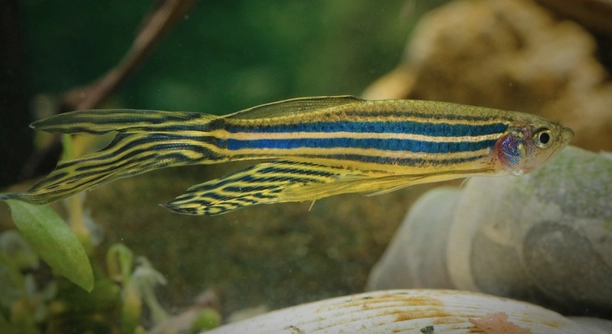
Have you ever reached into your fish tank and wondered if touching your zebra danios is safe or even necessary at all?
Zebra danios can be touched, but it is generally not recommended. Physical interaction can cause stress, disrupt their slime coat, and increase the risk of injury or infection. Observation is safer and more appropriate.
Understanding their behavior and health needs will help you maintain a peaceful tank environment and avoid unnecessary stress for your fish.
Why Touching Zebra Danios Isn’t Recommended
Zebra danios are small, active fish that thrive in a low-stress environment. Touching them can interrupt their natural behavior and increase stress levels. Their protective slime coat, which shields them from bacteria and parasites, can easily be damaged by human contact. This coating is essential for their overall health and survival. When the slime coat is compromised, zebra danios become more vulnerable to infections and illness. Even if they seem unaffected in the moment, the long-term impact can be harmful. In most cases, there is no need to physically interact with them unless you’re performing a medical check or transferring them between tanks. Even then, tools like soft nets or containers should be used instead of hands. Minimizing direct contact is key to keeping these fish healthy and stress-free in their aquarium.
Zebra danios are sensitive and quick-moving, which makes them prone to injury if touched or startled during tank maintenance.
Avoiding direct contact and maintaining clean water, proper tank size, and a calm environment are more beneficial than handling. These steps support their health without physical disruption.
When Touching Might Be Necessary
There are rare situations when touching may be unavoidable, such as moving a fish from a quarantine tank or providing treatment for illness. In those moments, it’s best to handle them as gently and briefly as possible. Always wet your hands with tank water before making contact to reduce damage to their protective coating. Use calm movements to prevent panic or injury, and immediately return the fish to clean, stress-free water. This helps them recover and lowers the chance of infection. If you’re unsure, using a container or soft mesh net is always safer than handling with bare hands.
Only touch your zebra danio if absolutely necessary and always with proper care to limit stress and harm. A soft net, gentle motion, and clean hands reduce the risks involved. Avoid rough tools, dry hands, or extended contact at all costs. Keeping handling to a minimum supports long-term well-being.
Signs of Stress in Zebra Danios
Zebra danios often show stress through rapid swimming, hiding more than usual, or sudden changes in appetite. Fin clamping, faded colors, and erratic movement are also signs. These behaviors usually reflect discomfort, fear, or poor water conditions in the tank.
Touching your zebra danios can trigger these stress signals. Physical contact, even brief, may cause them to dart erratically or stay hidden for long periods. This behavior is their natural response to perceived threats. Repeated stress from handling can lead to weakened immunity and increased illness. It’s important to observe them closely after any interaction. If signs of stress appear, make adjustments to reduce disturbance, such as lowering tank activity or providing more hiding spots. Offering a stable, quiet environment helps reverse these signs. Keeping handling to a minimum and focusing on proper care routines ensures their behavior remains calm and consistent, which is essential for their well-being.
Stress in zebra danios can also develop from sudden environmental changes, such as temperature shifts, poor filtration, or overcrowding. Even minor disruptions may have noticeable effects. If stress continues despite optimal conditions, consider reviewing tank mates, lighting, and feeding habits. Providing consistent care, space to swim, and regular monitoring will help reduce stress-related behaviors over time.
Proper Tank Handling Techniques
Proper tank maintenance starts with slow, gentle movements to avoid scaring your fish. Avoid tapping the glass, making loud noises, or using sudden gestures near the tank. Keep tools clean and hands out of the water unless necessary.
When handling is required, always use a soft mesh net or a container filled with tank water to transfer your zebra danios. Wet your hands before contact to help protect their slime coat. Support their body without squeezing or holding too long. Never use bare, dry hands, and avoid lifting them into the air for extended periods. During water changes or tank cleaning, move slowly and allow fish to swim away on their own. Remove decorations carefully to avoid cornering or trapping them. Gentle handling ensures minimal disruption and lowers the risk of harm. Keeping their environment peaceful and safe is more effective than physical interaction for maintaining their health.
Risks of Overhandling
Frequent handling can damage the fish’s slime coat, leaving them more vulnerable to bacteria, fungi, and parasites. It can also lead to long-term stress, making zebra danios more prone to illness and reducing their overall lifespan.
Overhandling may also cause physical injuries, such as torn fins or bruising. These injuries often go unnoticed at first but can worsen over time, leading to infection or changes in behavior. Even gentle contact can be harmful if repeated too often.
Creating a Stress-Free Environment
A calm tank helps zebra danios stay healthy without the need for physical interaction. Use gentle lighting, keep tank mates peaceful, and avoid loud noises around the aquarium. Include plants and decorations that offer hiding spots. Maintain stable water temperature, good filtration, and regular cleaning. Feed them a balanced diet at consistent times. When cleaning the tank or doing water changes, move slowly and avoid chasing the fish. Limit activity near the aquarium to help them feel secure. The more stable and peaceful their environment, the less likely they are to react with stress or fear.
Alternatives to Physical Interaction
Watching their swimming patterns and feeding habits offers insight into their health. Observing from outside the tank is safer and just as meaningful.
FAQ
Can touching zebra danios harm them?
Yes, touching zebra danios can harm them. The natural slime coat they produce protects them from harmful bacteria and parasites. When this coat is disrupted by physical contact, it increases their vulnerability to illness. Frequent handling also causes stress, which can lead to behavioral changes and potential health issues.
What happens if you touch zebra danios?
Touching zebra danios may cause them to become stressed, leading to erratic swimming or hiding for long periods. The loss of their protective slime coat also makes them more susceptible to infections. Over time, this could negatively impact their overall health and lifespan. It’s best to avoid unnecessary contact.
How can I safely move my zebra danios?
When transferring your zebra danios, always use a soft mesh net or a container with tank water. This minimizes stress and prevents damage to their protective slime coat. Wet your hands before any contact with the fish, and be gentle, avoiding squeezing or holding them out of water for too long.
Can zebra danios be handled during water changes?
It’s best not to handle zebra danios during water changes unless absolutely necessary. When cleaning the tank, allow the fish to swim away from your movements. If you need to remove a fish for treatment or relocation, use a soft net and handle them as gently as possible to reduce stress.
What are the signs that my zebra danio is stressed?
Signs of stress in zebra danios include rapid swimming, hiding, or changes in eating habits. They may also display fin clamping, faded colors, or erratic movements. Stress can be caused by various factors, including poor water quality, overcrowding, or physical contact. Monitoring these signs helps prevent further stress.
Is it safe to touch my zebra danios for cleaning purposes?
For cleaning purposes, avoid direct contact with zebra danios whenever possible. Use tools like nets or siphons for cleaning. If the fish needs to be moved, use a container filled with tank water. Minimizing physical interaction is important to prevent harm and reduce stress.
How do I prevent my zebra danios from getting stressed?
To reduce stress, provide a stable environment. Ensure water quality is maintained through regular cleaning and proper filtration. Keep the tank size appropriate, and avoid overcrowding. Provide hiding spots with plants and decorations. Minimize noise and abrupt movements around the tank to keep your zebra danios calm.
Can stress cause illness in zebra danios?
Yes, prolonged stress can weaken a zebra danio’s immune system, making them more susceptible to illnesses. Stress affects their behavior and health, potentially leading to bacterial or fungal infections. Maintaining a peaceful tank environment and minimizing handling will help reduce stress and prevent related health problems.
Should I avoid handling my zebra danios entirely?
It’s best to avoid handling zebra danios unless necessary. They are sensitive fish that can easily become stressed by physical contact. If you must handle them, use proper techniques like wetting your hands and using a soft net to minimize damage and stress. The less contact, the healthier they will be.
How often should I check on my zebra danios?
It’s a good idea to check on your zebra danios daily for any signs of stress or illness. Observe their behavior, swimming patterns, and eating habits. Check the water quality regularly to ensure it remains safe. Frequent observation helps catch potential issues early without causing stress to the fish.
What are the best tank conditions for zebra danios?
Zebra danios thrive in a tank with stable water conditions, including a temperature range of 65-75°F (18-24°C) and a pH of 6.5-7.5. They prefer clean, well-filtered water with moderate to gentle flow. Provide plants, rocks, and other decorations that offer hiding spots. Avoid overcrowding and keep tank mates peaceful to reduce stress.
Can zebra danios live with other fish?
Yes, zebra danios are peaceful and social fish that do well in community tanks. They can live with many other species, including other danios, tetras, and livebearers. Avoid aggressive or overly large fish that may stress or harm them. Always research compatible tank mates to ensure a peaceful environment.
How long do zebra danios live?
Zebra danios typically live for about 2 to 3 years, although they can live longer with proper care. Their lifespan depends on factors like water quality, diet, and stress levels. Maintaining a stable environment, providing proper nutrition, and avoiding overhandling will help extend their lifespan.
What should I feed my zebra danios?
Zebra danios are omnivores and can be fed a variety of foods, including high-quality flake food, freeze-dried or frozen foods like brine shrimp and daphnia, and occasional live food. Offer small portions multiple times a day, ensuring they eat everything to avoid leftover food decomposing in the tank. Variety is key for their health.
Do zebra danios need a heater in their tank?
While zebra danios can tolerate a range of temperatures, a heater may be necessary if your home’s temperature fluctuates or falls below their preferred range of 65-75°F (18-24°C). Consistent water temperature is important for their health and stress levels. Ensure the heater is adjustable and monitor the temperature regularly.
How can I reduce the risk of infection in my zebra danios?
Maintaining good water quality, avoiding overcrowding, and minimizing physical contact with your zebra danios are the best ways to reduce the risk of infection. Ensure their tank is properly filtered, and perform regular water changes. Quarantine any new fish before introducing them to avoid introducing disease into the tank.
Final Thoughts
Handling zebra danios should be done with care. They are delicate fish that rely on their slime coat for protection against harmful microorganisms. Physical contact, even if brief, can disrupt this protective layer, making them more susceptible to illness. Frequent handling can also lead to stress, which weakens their immune system and can lead to other health problems. It is best to limit any direct interaction and focus on observing their behavior from a distance. This will help ensure that they stay healthy and stress-free.
Creating a peaceful environment is key to keeping zebra danios healthy. A stable, clean tank with proper filtration, water quality, and temperature can significantly reduce stress. These fish are social and thrive in groups, so it is important to provide plenty of tank mates that are peaceful and do not pose a threat. Regular maintenance, such as water changes and removing excess food, will help maintain a healthy habitat for your zebra danios. Offering hiding spots with plants or decorations gives them a sense of security and helps minimize stress.
The best way to care for zebra danios is by focusing on their environment and diet rather than handling. With the right tank conditions and a healthy diet, these fish can live long, happy lives. Observing them from outside the tank is a great way to monitor their health without causing them stress. Providing them with a stress-free environment, appropriate food, and compatible tank mates ensures that they will thrive. By keeping physical interaction to a minimum, you allow your zebra danios to live a longer, healthier life.

Hello,
If you enjoy the content that we create, please consider saying a "Thank You!" by leaving a tip.
Every little bit helps us continue crafting quality advice that supports the health, happiness, and well-being of pets around the world, for pets of all shapes, sizes, and species.
We really appreciate the kindness and support that you show us!