
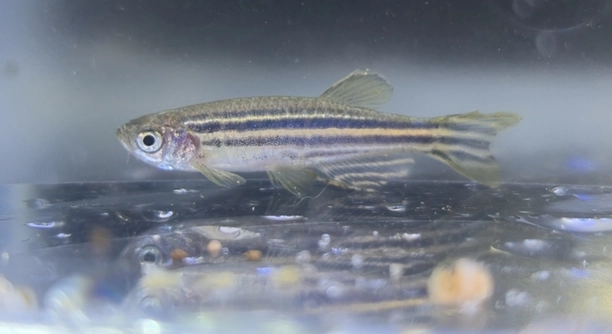
Is your zebra danio suddenly swimming in fast, tight circles around the tank, leaving you unsure of what’s going on? This behavior may seem odd, especially if it starts without warning and continues for hours.
Zebra danios spinning in circles is often linked to neurological issues, stress, or parasitic infections affecting their equilibrium. This repetitive swimming pattern can also be a response to poor water conditions, changes in environment, or internal health problems.
Understanding what causes this behavior can help you support your fish’s health and make your aquarium a safer, calmer environment.
Possible Reasons Behind the Spinning
When a zebra danio starts spinning in circles, it usually signals a problem. This can be caused by internal parasites, poor water quality, or stress. Internal parasites like whirling disease affect the nervous system and damage balance. Stress from sudden changes in water temperature, overcrowding, or aggressive tankmates may also lead to unusual behavior. Poor water conditions, including high ammonia or nitrate levels, can affect the fish’s health quickly. In some cases, spinning may be linked to genetic or neurological disorders, especially in younger or newly introduced fish. It’s important to watch for other symptoms such as loss of appetite, discoloration, or gasping at the surface. These additional signs can help narrow down the underlying cause. Always observe closely and address any environmental changes or symptoms before the issue becomes more serious for the whole tank.
Avoiding stress is important to reduce the chance of spinning. Maintain stable conditions and avoid sudden changes.
Clean water, a consistent routine, and peaceful tankmates can go a long way. If your fish keeps spinning despite these steps, you might be dealing with something more serious. Keeping records of tank changes and behaviors can help you find patterns and act fast.
What You Can Do to Help
Start by testing the water. This is a fast way to spot if ammonia, nitrite, or nitrate levels are off.
If water quality is the problem, a partial water change is the first step. Aim to remove about 25–30% of the water and use a water conditioner when refilling. Check the filter system to ensure it’s running properly and not clogged. Make sure the temperature is stable and within the recommended range of 64–75°F for zebra danios. Remove any aggressive tankmates that might be stressing your fish. If you suspect parasites or bacterial infections, isolate the affected fish and consider using appropriate medications based on symptoms. Medications like anti-parasitics or antibiotics may help, but only after water conditions are balanced. Always research before adding medication, as treating the wrong issue can make things worse. Keep the tank calm and lights dimmed during treatment to reduce stress. Observe daily for progress or signs of worsening behavior.
Monitoring Behavior and Tank Conditions
Keep a close eye on any changes in your zebra danio’s behavior. Spinning, along with isolation, lack of appetite, or frequent hiding, may signal discomfort. Daily observation can help you catch problems early before they get worse.
Start by watching how the fish behaves during feeding time. Is it eating normally, or staying away from food? Does it interact with other fish, or stay alone near the bottom or surface? Small changes in behavior are often the first sign of something wrong. Also, look for visible signs like clamped fins, flashing against objects, or pale coloring. Use a notebook or app to track changes. Record dates, symptoms, water test results, and any changes you make in the tank. This helps you connect patterns over time and rule out short-term stress. Consistency is key when identifying the cause of unusual swimming or other health changes.
Use a reliable water testing kit every week. Monitor ammonia, nitrite, nitrate, and pH levels. Even minor imbalances can cause stress. If numbers are outside the safe range, take action right away. Keep the water temperature stable and avoid overfeeding. Clean the tank regularly and remove waste build-up. These small efforts help prevent bigger issues from developing.
When to Separate the Affected Fish
If the zebra danio’s spinning becomes constant or severe, it may need to be moved to a separate tank. This protects other fish and makes treatment easier. A 5–10 gallon quarantine tank is usually enough for short-term isolation.
In the quarantine tank, maintain stable conditions with clean, warm water and gentle filtration. Keep the lighting low to reduce stress. Add a hiding spot or two using decor or plants. Continue testing water regularly. Watch for improvements or signs that suggest a need for treatment, such as worsening balance, visible lesions, or labored breathing. If symptoms persist or worsen, you may need to introduce medications. Follow directions carefully and monitor closely. Avoid using multiple treatments at once unless directed. Keep feeding light but consistent. Remove uneaten food quickly. The goal is to give the fish time to recover without added stress from tankmates or poor water conditions.
Supporting Recovery in the Main Tank
Once your fish improves, slowly reintroduce it to the main tank. Make sure conditions are clean and stable before doing this. Sudden changes in water chemistry or temperature can cause setbacks or stress the recovering fish again.
Watch how the other fish react after reintroduction. If they act aggressively or chase the zebra danio, remove it and give it more time. Try rearranging tank decorations to reset territorial behavior before placing it back in the group.
Preventing Future Episodes
Keep the tank clean with regular water changes and filter maintenance. Avoid overfeeding and remove waste promptly. Stable water quality is one of the most important ways to prevent future spinning behavior. Add live plants for a more natural and less stressful environment. Introduce new fish slowly, using proper acclimation methods. Always quarantine new arrivals for at least two weeks before adding them to your main tank. Stress from overcrowding, poor tank mates, or sudden environment shifts can lead to illness or unusual behavior. Keep your tank community peaceful and well-balanced, with plenty of swimming space and hiding spots for all fish.
Final Thoughts
Small changes in care can make a big difference. A calm tank, stable water, and regular monitoring all help your zebra danio thrive.
FAQ
Can spinning be a sign of stress in zebra danios?
Yes, spinning can definitely be caused by stress. Stress often results from sudden changes in water temperature, aggressive tankmates, poor lighting, or even too much noise around the tank. When stressed, zebra danios may display odd swimming patterns, hide often, or stop eating. It’s important to provide a peaceful environment with stable water conditions and enough space for all fish. Avoid placing the tank in busy areas and reduce vibrations around the tank. Keeping the tank calm and predictable can help lower stress and reduce unusual behavior like spinning.
What water parameters should I maintain for healthy zebra danios?
Zebra danios thrive in clean, stable water with a temperature between 64–75°F (18–24°C). Keep ammonia and nitrite at 0 ppm, and nitrates under 20 ppm. The ideal pH range is between 6.5 and 7.5. Use a good-quality water testing kit every week to monitor these values. Avoid sudden changes, especially in temperature and pH. Consistency is more important than chasing perfect numbers. Perform regular partial water changes (about 25% weekly), and make sure your filter is working efficiently. These steps help prevent illness and keep your zebra danios healthy and active.
Is spinning always a sign of illness?
No, spinning isn’t always caused by illness, but it should be taken seriously. Sometimes fish spin when they’re startled or adjusting to a new environment. However, if the behavior continues for more than a few hours or happens frequently, it may point to a health problem. Illnesses like whirling disease, internal parasites, or swim bladder issues are common causes. Look for other signs like floating sideways, clamped fins, or reduced appetite. If spinning is paired with these symptoms, take action quickly by checking water quality and considering isolation or treatment.
Should I treat my whole tank if one fish is spinning?
Not right away. It’s best to isolate the spinning fish first. Treating the main tank without knowing the exact cause could stress healthy fish or damage the tank’s balance. A quarantine tank lets you treat the affected fish without putting others at risk. While the fish is isolated, monitor your main tank closely for changes in behavior, water quality, or signs of illness in other fish. Only treat the main tank if symptoms begin spreading or if the problem is clearly caused by something affecting all fish, such as poor water conditions or parasites.
Can zebra danios recover from spinning behavior?
Yes, recovery is possible if the cause is identified early and treated properly. Fish with mild swim bladder issues or stress-related spinning can often return to normal with clean water and calm surroundings. If the cause is a parasite or infection, recovery depends on how quickly treatment begins. Provide a quiet space, avoid unnecessary handling, and feed high-quality food. Watch closely for signs of improvement. If spinning decreases over a few days, that’s a good sign. Patience and stable care are important during recovery.
How can I safely introduce new zebra danios to my tank?
Always quarantine new fish for at least two weeks. This helps prevent spreading diseases or parasites to your existing fish. During quarantine, monitor them for any signs of illness, including unusual swimming. Once they appear healthy, use a slow drip method or gradual temperature matching to help them adjust to the main tank’s water. Release them gently without pouring store water into your tank. Rearranging decorations in the tank before introducing new fish can help reset territories and reduce aggression. Introduce during a quiet time when lights are low to ease the transition.
Are there long-term effects after a zebra danio spins in circles?
It depends on the cause. If spinning is stress-related or due to a mild swim bladder issue, there may be no long-term damage. Once conditions improve, the fish can return to normal behavior. However, if the cause is a disease that affects the nervous system, like whirling disease, permanent effects are possible. The fish may have lasting balance issues or become more vulnerable to other illnesses. Regular monitoring and a calm environment can help reduce the chance of recurring problems. If symptoms return frequently, recheck your tank setup and maintenance routine.
Final Thoughts
Zebra danios are active and hardy fish, but when one starts spinning in circles, it’s often a sign that something isn’t right. This behavior should not be ignored, even if the fish seems fine otherwise. Spinning can be linked to stress, water issues, illness, or even neurological damage. Paying attention to the full picture—how long the spinning lasts, whether it’s getting worse, and if there are other symptoms—can help guide the next steps. Many causes are treatable, especially when caught early. Staying calm and observing closely is important before jumping to any conclusions.
Maintaining a clean and stable tank plays a big role in keeping your zebra danios healthy. Simple habits like checking the water parameters regularly, doing consistent water changes, and using a reliable filter go a long way. Avoid sudden changes in temperature or tank setup, and keep an eye on fish interactions to prevent bullying or stress. If you do need to treat a fish, isolate it in a separate tank when possible. This allows targeted care without disrupting the balance of the main tank. Over time, small, consistent improvements to their environment can make a big difference in how your fish behave and feel.
It’s also helpful to stay informed and be patient. Not every strange behavior points to a serious problem, but staying alert will help you act quickly when needed. Observe your fish daily and trust what you notice. A zebra danio spinning in circles is not something you want to overlook, but it’s not always a reason to panic either. Many fish recover once the underlying issue is handled. With steady care, good tank habits, and a bit of attention, your zebra danio can return to its normal, lively self. Taking the time to understand what’s going on will help you make better decisions and support the long-term health of all your fish.

Hello,
If you enjoy the content that we create, please consider saying a "Thank You!" by leaving a tip.
Every little bit helps us continue crafting quality advice that supports the health, happiness, and well-being of pets around the world, for pets of all shapes, sizes, and species.
We really appreciate the kindness and support that you show us!