
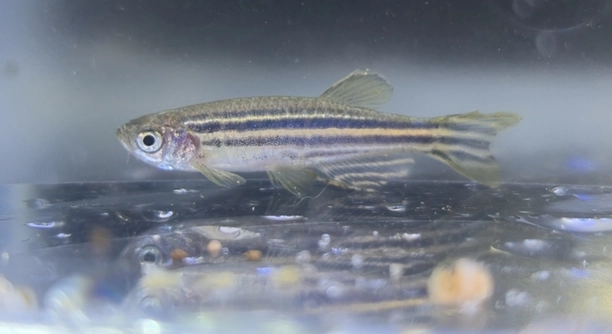
Have you ever noticed your zebra danios darting around more than usual during noisy moments in your home or aquarium space?
Zebra danios can be sensitive to loud noises, especially if those sounds cause sudden vibrations in their tank environment. Noise-induced stress may lead to erratic swimming, hiding behavior, and even long-term health effects if not addressed appropriately.
Understanding how sound affects your fish can help you create a calmer, healthier space for your zebra danios to thrive peacefully.
How Noise Affects Zebra Danios
Loud noises can create noticeable stress for zebra danios, especially when the sounds produce sudden vibrations or sharp disturbances in their tank environment. These fish are naturally active and alert, which makes them more reactive to changes in their surroundings. In a quiet and steady setting, zebra danios swim calmly and interact normally with each other. However, when exposed to high-volume sound or recurring disturbances, their behavior often shifts. You may notice them darting quickly, hiding behind plants, or even isolating themselves. Repeated exposure to stress can lead to weakened immune function and reduced appetite. Over time, this makes them more vulnerable to illness. While occasional noise is usually not harmful, consistent or intense sound pressure should be avoided. Creating a quiet environment helps maintain stable behavior and supports long-term health. Monitoring their reactions can give you useful insight into when sound is having a negative effect.
Behavioral signs of noise sensitivity include frantic swimming, sudden hiding, or repeated attempts to escape from the tank.
If you have a busy or loud household, it may be helpful to place the tank in a quieter room. Vibrations from nearby electronics, TV speakers, or even foot traffic can be enough to cause discomfort. Tanks positioned near speakers or on shared furniture may amplify vibrations, so consider isolating the aquarium setup. You can use soft padding under the tank to reduce impact from surrounding movement. Additionally, avoid tapping on the glass or placing the tank near slamming doors. Maintaining low sound levels, especially during nighttime, helps encourage stable sleep patterns and lowers stress. These adjustments don’t require a major change in setup, but they can make a noticeable difference. Zebra danios thrive best in stable environments with minimal disruptions. Keeping a consistent and calm environment allows their natural behaviors to shine through and reduces the risk of health-related concerns triggered by stress.
Supporting a Quiet Environment
Zebra danios benefit from peaceful surroundings that limit loud noises and physical vibrations around their tank area.
Using live plants, proper tank placement, and soft décor can reduce stress and support more natural behaviors. Avoiding sudden noise exposure is one of the easiest ways to keep zebra danios comfortable. Watching their reactions helps you make small changes that offer lasting benefits. Try to keep activity around the tank light and limit external disturbances. Tanks near children’s play areas, kitchens, or TV zones tend to experience more vibration. Instead, pick corners or low-traffic areas of the room to help reduce noise and sudden movement. Plants also help buffer sound slightly and give danios safe spaces to retreat to when startled. These small changes can help them feel more secure. Maintaining this kind of environment promotes stable habits, better coloration, and long-term health. A calm setup gives zebra danios what they need to remain active and stress-free in their tank.
Signs Your Zebra Danios Are Stressed by Noise
Zebra danios may not react strongly at first, but repeated exposure to loud noise often leads to behavioral shifts. Watch for changes like erratic swimming, sudden hiding, loss of appetite, or increased aggression among tank mates.
When zebra danios feel unsettled, they tend to dart quickly from one end of the tank to the other. This behavior usually happens right after a sharp sound or vibration. Some may retreat to corners or hide behind plants and decorations. If these responses occur regularly, it’s a sign the fish are reacting to environmental stress. Other signs can include clamped fins, refusal to eat, or hovering near the bottom of the tank. In some cases, they may isolate themselves and stop schooling with others. These behaviors are your cues to assess what’s happening outside the tank and take steps to quiet the surrounding space.
Increased noise sensitivity can also cause changes in their sleep and activity cycles. Zebra danios typically rest when lights go off, but if external noise continues during these quiet periods, they may stay alert and miss essential rest. Over time, sleep disruption can lead to weakened immune systems and greater vulnerability to disease. Long-term stress often shows in duller coloration and more sluggish movements. Unlike short-term startle reactions, these extended effects signal a larger issue. If your danios show these changes, it’s worth checking tank placement, household noise levels, and even nearby electronics. Making a few adjustments can prevent long-term health problems and improve their behavior within days.
Best Practices to Minimize Stress
Choose a spot for your tank that stays quiet most of the day. Avoid placing it near televisions, speakers, or heavy foot traffic to keep the noise impact low.
In addition to placement, pay attention to the tank’s surface and nearby objects. A tank sitting on a hardwood floor or glass shelf may pick up more vibrations from footsteps or sound waves. Adding a soft mat or pad underneath helps absorb shock. Make sure no electronics are attached to or resting on the tank stand. Keep external filters well-maintained, as loud filters can create constant noise that adds to stress. Use plants and decorations to create hiding spots so fish have space to retreat when startled. If children are present, teach them not to tap on the glass. Simple changes like lowering TV volume or moving the tank to a quieter room can significantly improve their environment. These adjustments help danios stay healthy and feel secure.
It’s also helpful to maintain a steady tank routine. Feeding your zebra danios at the same time each day helps create predictability, which lowers stress. Limit rearranging the tank unless needed, as frequent changes may disturb their sense of territory. Use lighting timers so they can adapt to a consistent day-night cycle. If you notice skittish behavior, check your water parameters too. Noise isn’t always the only stressor. Poor water quality can make them more reactive. A clean, stable tank combined with low environmental noise gives zebra danios the balance they need. Observing their habits over time will show whether changes are helping, and small efforts go a long way in keeping them comfortable.
How Long-Term Noise Can Affect Health
Chronic exposure to loud or constant noise may weaken your zebra danios’ immune system. This can make them more prone to diseases like fin rot, ich, or bacterial infections that spread quickly in stressed or crowded tanks.
You may also notice slower growth or reduced lifespan in zebra danios exposed to ongoing noise. Constant stress disrupts their natural rhythm and makes it harder for them to recover from illness or injury. Over time, even subtle disruptions can have a lasting effect on their overall health and behavior.
When to Make Changes
If you’ve noticed repeated hiding, lack of appetite, or color loss, it’s time to review the tank’s location. Start by moving it away from high-traffic or noisy areas and monitoring behavior. Make sure vibrations from furniture or electronics are minimized. Small changes can help prevent bigger problems.
Tank Mates and Noise Sensitivity
Some tank mates are also sensitive to noise, which may create extra stress for your zebra danios. Avoid pairing them with skittish species in noisy areas, as shared stress responses can make the tank feel less safe for all the fish.
FAQ
Do zebra danios get used to loud noises over time?
Zebra danios may become somewhat accustomed to certain noises, but this doesn’t mean they stop being affected. They might show less initial reaction to common sounds, but prolonged exposure can still lead to chronic stress. It’s important to monitor how they behave and make adjustments if you see signs of distress, such as erratic swimming or hiding. They do not adapt to loud noises in the same way humans do, and their overall health may still suffer from long-term exposure.
Can noise from the outside environment impact zebra danios?
Yes, sounds from outside the room or building can travel through walls and floors, reaching your aquarium. Even distant noises, like traffic, construction, or loud neighbors, can cause vibrations that disrupt their peaceful environment. While zebra danios might not hear high-pitched sounds as humans do, vibrations can still cause them stress. If you notice increased swimming activity or hiding when these noises occur, it’s a sign the fish are affected.
Are zebra danios more sensitive to loud noises than other fish?
Zebra danios are not necessarily more sensitive to loud noises than other species, but they are smaller and more active, which may make them more noticeable when stressed. Their quick movements and schooling behavior can amplify the visible signs of distress when exposed to noise. Like most fish, they are sensitive to sudden changes in their environment, including loud sounds and vibrations, but the impact on behavior and health can vary from one species to another.
How can I tell if my zebra danios are stressed from noise?
Signs of noise-related stress in zebra danios include frantic swimming, hiding, loss of appetite, and changes in behavior. You may also notice them staying near the tank’s bottom or avoiding other fish. Prolonged stress can also lead to dull colors, less active behavior, and weakened immune systems, which make them more susceptible to illness. If you observe these changes, it’s a good idea to assess the noise levels around the tank.
What is the best way to reduce noise around zebra danios?
To minimize noise, place your zebra danios’ tank in a quieter area of your home, away from high-traffic zones, speakers, and electronics. Soft mats under the tank can absorb vibrations, and moving the tank away from windows or walls can reduce external noise. Additionally, keeping the tank’s glass free of tapping and ensuring the water filter isn’t making unnecessary noise can help. Lowering the volume of nearby sound sources, like TVs or stereos, is also a simple way to create a more peaceful environment.
Can zebra danios tolerate occasional loud noises?
While zebra danios are more sensitive to consistent noise, they can tolerate brief, occasional loud sounds without significant issues. If the noise is a one-time event, they may be startled but recover quickly. However, if the noise is regular or especially jarring, it can cause stress and health problems over time. Monitoring their reactions and adjusting the environment accordingly will help avoid long-term harm.
Should I be concerned if my zebra danios swim erratically after loud noises?
Erratic swimming after loud noises is a typical stress response, and it’s common in zebra danios. They may dart around or swim in rapid, uneven patterns due to fear or confusion. While this behavior is usually temporary, if it becomes persistent or is followed by other signs of stress, such as hiding or loss of appetite, it may be a sign the environment needs to be quieter or calmer.
What other factors, besides noise, can cause stress in zebra danios?
In addition to noise, factors like poor water quality, overcrowding, sudden changes in temperature, and inadequate lighting can all cause stress in zebra danios. They thrive in stable environments with clean water, proper tank size, and appropriate lighting conditions. Be sure to maintain regular water changes, monitor tank temperature, and avoid placing incompatible species together. Stress from multiple sources can compound, leading to more significant health issues.
Is it necessary to move the tank to reduce noise exposure?
Moving the tank is one of the most effective ways to reduce noise exposure. If you’ve noticed that your zebra danios are reacting negatively to the environment, relocating the tank to a quieter area may help them feel more at ease. Choose a space that’s less likely to be disturbed by household noise or vibrations. While this might not be necessary in every case, it’s a good step to consider if your fish’s behavior shows signs of stress.
Can zebra danios recover from noise-induced stress?
Zebra danios are resilient and can recover from short-term noise-induced stress if the environment is adjusted to be quieter. Once the source of stress is removed or minimized, you should see a return to normal behavior, like more active swimming, socializing with tank mates, and eating regularly. However, if noise exposure continues without intervention, recovery may take longer, and their overall health could be impacted. Providing a calm and stable environment is key to supporting their recovery.
Can I add soundproofing materials around the tank?
While there are specialized soundproofing materials available, they may not be necessary unless the noise levels in your environment are extremely high. Simple changes like moving the tank to a quieter room, adding soft mats underneath, or reducing external noise sources may be enough. If you’re considering soundproofing, keep in mind that it’s important to maintain proper airflow and ensure the tank doesn’t become too isolated, which could affect its ecosystem.
How often should I check my zebra danios for signs of stress?
It’s a good idea to observe your zebra danios regularly for signs of stress, especially if you notice changes in behavior or if there have been recent changes to their environment. Check them daily for unusual swimming patterns, hiding behavior, or loss of appetite. If you notice persistent signs of stress, such as poor coloration or physical ailments, it’s important to reassess the tank setup and environmental factors.
Are zebra danios more stressed during certain times of day?
Zebra danios may be more sensitive to noise during the evening or nighttime when they are typically resting. Loud noises or vibrations during these periods can disturb their sleep cycle, leading to greater stress. It’s important to ensure a quiet and calm environment during their sleep periods. Managing noise levels during these times can help prevent sleep disruption and reduce stress.
Final Thoughts
Zebra danios are active and resilient fish, but like all animals, they can be sensitive to their environment. While they may not react to every noise, long-term exposure to loud or constant sounds can have negative effects on their health and behavior. It’s essential to keep their tank in a calm, stable environment to avoid causing unnecessary stress. Paying attention to their response to noise can give you helpful clues about their comfort level. If you notice any signs of stress, like erratic swimming or hiding, it may be time to reconsider their environment.
Managing noise around your zebra danios doesn’t require drastic changes but rather careful attention to their surroundings. Moving their tank away from high-traffic areas or reducing loud sounds from electronics can help create a more peaceful space. Even small adjustments, like softening vibrations from furniture or lowering the volume of music and TV, can make a big difference. Zebra danios thrive when they feel safe, and minimizing stressors will help them maintain their health and active nature. Their behavior and well-being will improve once noise levels are controlled, making them more comfortable in their tank.
While noise is just one factor that can affect the well-being of zebra danios, it’s an important one to consider. A quiet and peaceful environment is key to their health, along with good water quality, proper tank mates, and regular care. Keeping an eye on their behavior and making simple changes to their environment can help them live longer, healthier lives. It’s always better to be proactive in maintaining a calm environment than to wait for stress-related issues to develop.

Hello,
If you enjoy the content that we create, please consider saying a "Thank You!" by leaving a tip.
Every little bit helps us continue crafting quality advice that supports the health, happiness, and well-being of pets around the world, for pets of all shapes, sizes, and species.
We really appreciate the kindness and support that you show us!