
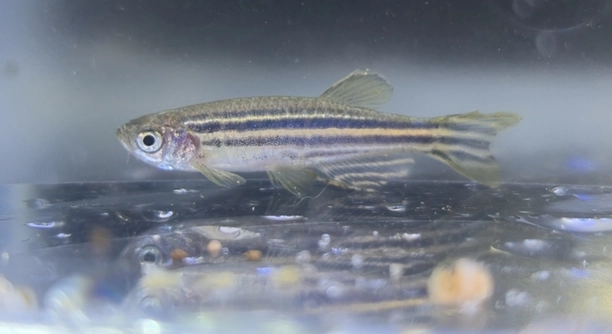
Do your zebra danios sometimes act in ways that leave you scratching your head, unsure of what they’re trying to do?
Zebra danios often display behaviors that can appear strange or unpredictable to aquarium owners. These actions are usually linked to their social nature, stress responses, or environmental changes in the tank. Understanding these patterns can help improve their care.
Some of these confusing habits are completely normal, while others may need a closer look to keep your danios healthy and happy.
They Swim Against the Filter Current for No Reason
Zebra danios often swim directly into strong filter currents, even when the rest of the tank is calm. This behavior can confuse owners who assume their fish are stressed or uncomfortable. However, danios are naturally energetic swimmers and enjoy resistance, much like a treadmill effect. The current gives them stimulation and exercise, helping to mimic fast-moving streams found in their natural environment. It’s also a way for them to release energy, especially in smaller tanks. This type of activity is completely normal unless it’s paired with signs of exhaustion or injury. Observing your danio’s stamina and health will help determine if the current is too strong. If they’re still eating well, interacting with others, and showing no physical symptoms, then swimming against the flow is simply their version of play. Still, it’s important to check that your filter isn’t creating harsh conditions for weaker or smaller fish.
It’s not harmful behavior unless they look overly tired or injured after swimming this way.
Try adjusting the angle or output of the filter if you’re noticing any stress in other tank mates, especially those less active than danios. Otherwise, let them enjoy the challenge.
They Suddenly Start Chasing Each Other
This chasing behavior often happens out of nowhere, and it can look aggressive or stressful to an owner.
Zebra danios are schooling fish that establish social ranks within their group. What might seem like aggression is usually part of their natural interaction. These quick chases are their way of sorting out dominance or simply playing, especially in tanks with enough open swimming space. Males often chase each other more than females, particularly if there’s a shortage of females or during breeding season. While it can be intense, it’s rarely harmful as long as none of the fish show signs of injury or constant hiding. To help reduce stress, keep them in groups of at least five or six. A larger group spreads out the chasing behavior and keeps any one fish from being singled out too often. Providing hiding spots and plants can also create calmer zones in the tank. Always keep an eye out for injuries, but short bursts of chasing are usually nothing to worry about.
They Peck at Each Other’s Fins Without Warning
Zebra danios sometimes nip at each other’s fins, especially when they feel overcrowded or under-stimulated. This behavior can confuse owners, as it may seem aggressive but often stems from boredom or lack of proper group dynamics.
Nipping usually happens more in tanks that are too small or don’t offer enough swimming space. Danios are active and social, and without room to spread out, they may turn to fin-nipping as a way to release energy or assert control. Make sure the tank is spacious enough, ideally 20 gallons or more for a group. It’s also helpful to include decorations or live plants to break up line of sight and give each fish its own space. If one fish is getting picked on repeatedly, monitor closely to make sure it’s not a health issue drawing attention, like torn fins or sluggish behavior. Addressing space and group size often calms the tank quickly.
Overstocking the tank can trigger more fin-nipping episodes, especially if some fish become territorial. Even though danios are generally peaceful, they react quickly to stress. Keep them in even numbers, and try to match their energy level with similarly active tank mates. Avoid pairing them with long-finned or slow-moving species, which can make tempting targets. Regular water changes and varied feeding also help reduce tension.
They Hover in One Spot for Too Long
Stillness in zebra danios often signals stress, poor water conditions, or boredom. Though they are naturally fast swimmers, they may pause for longer than usual when something in their environment feels off or unfamiliar.
If your zebra danio is hovering without interacting or swimming much, the first thing to check is the water quality. Poor oxygen levels, temperature changes, or elevated ammonia can make them sluggish. Danios are hardy fish, but sudden shifts in their habitat can cause immediate behavior changes. Look out for other signs like clamped fins, lack of appetite, or color fading. These clues help you figure out if the cause is physical or environmental. Once water parameters are fixed, they often go back to their normal activity quickly. Still, it’s a good idea to keep the tank environment stable with consistent lighting, low noise, and a feeding routine.
Some danios may hover due to mental under-stimulation. Without enough tank decorations, open space, or companions, they can become lethargic. Adding new elements like floating plants, driftwood, or even mild current changes can help bring their curiosity back. A balanced, engaging environment encourages movement and interaction. Danios also do best in groups, so being kept alone can result in withdrawn behavior. Always aim for a group of five or more, and vary their diet to keep them engaged. These simple changes can turn a quiet fish into an active one again.
They Sleep in Strange Positions
Zebra danios sometimes sleep at odd angles or rest near the bottom, which can seem alarming. They might appear lifeless or tilted, but this is a normal part of their rest behavior when they feel safe.
They don’t close their eyes, so stillness can look unnatural. As long as they become active again after lights come on, there’s no need to worry.
They Twitch or Jerk Suddenly
Sudden twitches or jerky movements can be caused by minor irritations, such as particles in the water or shedding of their slime coat. These movements are typically quick and isolated, not repeated or rhythmic like those caused by illness. However, if twitching becomes frequent, it could be a reaction to poor water quality, parasites, or high stress levels. Check for other symptoms such as rubbing against objects, weight loss, or odd coloration. Maintaining clean water, feeding a balanced diet, and avoiding overcrowding will help prevent issues. If needed, consult a vet for proper diagnosis and treatment based on symptoms and test results.
They Ignore New Tank Mates
Danios often ignore new fish until they feel comfortable. It’s a natural way for them to adjust without immediate confrontation or interest.
FAQ
Why do my zebra danios chase each other so much?
Chasing is common among zebra danios and is usually a sign of play or social ranking. They are active, fast swimmers that often engage in playful chasing, especially in groups. However, if the chasing looks aggressive—such as repeated nipping or cornering—it may be due to overcrowding or stress. Keeping them in groups of five or more helps spread out the social tension. A larger tank with hiding spots and plants can also help reduce unwanted chasing by breaking up lines of sight and providing areas for retreat.
Why do my zebra danios stay at the top of the tank?
Staying at the top could mean they are looking for food or oxygen. Zebra danios often associate the top of the tank with feeding time. But if they are gasping or hanging out near the surface too often, it could signal low oxygen levels in the water. Check your water parameters and consider adding an air stone or improving water circulation. Also, make sure the tank isn’t overcrowded. A well-balanced setup with good filtration and regular maintenance usually keeps this behavior in check.
Why are my zebra danios hiding all of a sudden?
Sudden hiding may happen after a tank change, new additions, or a change in lighting. Even active fish like danios can get spooked by loud noises, sudden movement, or unfamiliar surroundings. Give them a few days to settle down. If hiding continues, it’s worth checking for bullying, illness, or poor water quality. Adding more hiding spots like plants or driftwood can make them feel safer and help them return to normal behavior faster. Keeping a consistent routine also helps reduce anxiety.
Can zebra danios live alone?
Zebra danios should never be kept alone. They are schooling fish and need the company of their own kind to feel secure and stay active. A single danio will often become withdrawn, stressed, or overly aggressive. Aim for at least five danios, but more is better if the tank size allows. Schooling behavior helps them display their natural movement and feel safer. Keeping them in proper groups supports their overall health and reduces strange or erratic behaviors.
Why are my zebra danios always swimming against the filter?
Swimming near the filter outlet is usually due to their love for fast-moving water. Zebra danios are river fish, so they’re naturally drawn to currents. If it’s not causing exhaustion or damage, there’s usually no harm. But if they seem to be struggling or avoiding other areas of the tank, consider adjusting the flow or providing plants and décor to disrupt the current. A mix of high and low-flow zones helps them enjoy movement while still having areas to rest.
Why are my zebra danios turning pale?
Pale coloration can happen due to stress, illness, or poor water conditions. It might also be temporary, such as when they’re sleeping or adjusting to a new environment. If the paleness persists, check water parameters and look for signs of infection like clamped fins or loss of appetite. Stress from overcrowding, sudden temperature drops, or bullying can also affect their color. A stable, clean environment and a balanced diet usually help them regain their bright, healthy patterns.
Do zebra danios need a heater?
Zebra danios are hardy and can tolerate a wide range of temperatures, but they do best in stable, warm water—around 72–78°F (22–25°C). If your room temperature stays consistent, a heater might not be necessary. However, for cooler climates or tanks in drafty areas, a small adjustable heater ensures that the water temperature doesn’t drop too low. Sudden changes can stress the fish, so even if they survive without a heater, stable warmth supports better health and behavior.
Why are my zebra danios glass surfing?
Glass surfing—swimming up and down along the tank walls—is usually a sign of stress or boredom. It can be triggered by seeing their own reflection, poor water quality, or lack of stimulation. Make sure the tank has decorations, plants, and enough space for free swimming. Adding more tank mates and breaking up the tank’s layout with décor can reduce glass surfing. Also, ensure the tank is in a quiet area where they won’t be startled by constant movement or noise.
How can I tell if my zebra danio is sick?
Sick zebra danios might show symptoms like clamped fins, pale color, lethargy, rapid breathing, or odd swimming patterns. Loss of appetite or separating from the group are also signs. Watch for physical signs like white spots, bloating, or red streaks on the body. Quarantine any fish showing symptoms and test water conditions immediately. If things don’t improve, consider treating the tank with medication designed for common illnesses like ich or fin rot. Acting quickly helps prevent the spread of disease.
Are zebra danios easy to care for?
Yes, zebra danios are considered beginner-friendly due to their hardy nature and adaptability. They tolerate a wide range of conditions and are very active, which makes them fun to watch. Still, they need clean, well-filtered water, a proper group size, and a varied diet to thrive. While they’re low-maintenance compared to other species, regular water changes and monitoring still matter. Their behavior gives you a lot of cues, so staying observant helps you catch any problems early and keep them healthy.
Final Thoughts
Keeping zebra danios healthy and happy doesn’t require anything too complicated. They are strong, active fish that adjust well to different tank conditions as long as you stick to the basics. A clean tank, stable temperature, and proper group size go a long way. They enjoy open space for swimming, but they also benefit from hiding spots and plants to feel secure. Watching their behavior can help you notice when something is off, whether it’s stress, sickness, or discomfort. Zebra danios may be small, but they show clear signs when things aren’t right, and acting quickly can make a big difference.
Feeding them a balanced diet is also important. These fish eat just about anything, but they do best when their meals are varied. A mix of flakes, frozen food, and occasional treats like live brine shrimp keeps them healthy. Feeding in small amounts a couple of times a day helps avoid waste and keeps the tank water cleaner. Water changes are part of the routine too. Even just 25–30% once a week can help prevent cloudy water, ammonia buildup, and stressed fish. Good habits like checking water parameters regularly make care easier in the long run.
Zebra danios are a popular choice for good reason. They are full of energy, easy to care for, and fun to watch in a group. Whether you’re new to fishkeeping or have some experience, they’re a great addition to a peaceful tank. Just remember they need room to swim, other fish to interact with, and a stable environment to stay active. Even though they’re hardy, their needs still matter. When given the right care, zebra danios can live for several years and add movement and color to your aquarium every day. Keeping things simple and steady is usually the best approach.

Hello,
If you enjoy the content that we create, please consider saying a "Thank You!" by leaving a tip.
Every little bit helps us continue crafting quality advice that supports the health, happiness, and well-being of pets around the world, for pets of all shapes, sizes, and species.
We really appreciate the kindness and support that you show us!