
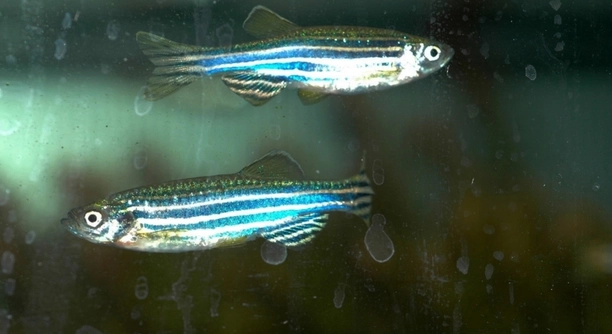
Is your zebra danio staying still more often than usual? This behavior can be concerning, but it is important to understand the various factors that could cause it. Your fish’s inactivity may be due to several reasons.
Zebra danios may stay still due to water quality issues, stress, or illness. Poor water conditions, such as low oxygen levels or high ammonia, can cause your fish to become lethargic. Stressors like sudden changes in the environment can also contribute.
Understanding the causes behind your zebra danio’s stillness can help prevent future issues. By monitoring water conditions and providing a stable environment, you can ensure your fish remains healthy and active.
Possible Causes for Inactivity
Zebra danios are typically active and social fish, so when they become still, it’s important to investigate the cause. Several factors could be contributing to this behavior. Stress, poor water conditions, and illness are the most common reasons. A drop in water temperature or inadequate filtration can affect their energy levels. Additionally, if your fish are exposed to sudden changes in their environment, such as a new tankmate or new decorations, they may become temporarily inactive. These stressors can make them retreat and become more sluggish.
Another reason could be poor water quality, which is often overlooked. Ammonia or nitrate levels in the tank can spike, making it difficult for your fish to breathe, causing them to stay still. If you’ve recently done a water change or noticed that the water looks cloudy, these could be signs that the quality has been compromised.
To ensure your zebra danio stays healthy, regularly test the water for contaminants and ensure the tank has proper filtration. Consistent water changes can also help maintain an environment where they thrive.
Illness and Injuries
Sometimes, the cause of inactivity is related to illness or injury. Fish are masters at hiding signs of illness, making it hard to detect when they’re sick. Common diseases such as ich, swim bladder disease, or parasites can cause lethargy. In some cases, fish may stay still due to injury, which could affect their swimming ability or overall energy levels.
If you suspect your zebra danio is sick, isolate it from other fish in a quarantine tank. This minimizes the risk of spreading illness while providing a controlled space to monitor the fish’s recovery. If the fish shows other signs like spots, bloating, or abnormal swimming behavior, it’s time to seek advice from a veterinarian specializing in fish care. With prompt treatment, many health issues can be resolved, restoring your zebra danio’s usual activity levels.
Environmental Stress
Zebra danios are sensitive to environmental stress. Factors such as sudden changes in water temperature, lighting, or tank mates can cause them to act differently. For instance, if the water temperature fluctuates too much, your fish may become inactive in an attempt to conserve energy. Similarly, if they feel threatened by new fish or a sudden change in their habitat, they may retreat into hiding or stay motionless.
To prevent stress, keep the tank environment as stable as possible. Avoid sudden changes in water temperature or lighting, and make sure your fish have enough space to swim freely. If introducing new tankmates, do so gradually and ensure they are compatible with your zebra danios. Additionally, try to limit loud noises or movements near the tank, as these can startle the fish and add to their stress.
Poor Water Conditions
Water quality is a key factor in your zebra danio’s health. Poor water conditions can cause lethargy and inactivity. Elevated ammonia or nitrate levels, low oxygen, or incorrect pH can stress your fish, making them stay still. Regularly testing water parameters can help prevent these issues.
It’s essential to maintain the right balance in your tank. Ammonia and nitrites should be at zero, while nitrates should be below 40 ppm. If these levels are too high, your fish may struggle to breathe. Poor filtration, infrequent water changes, or overfeeding can all contribute to poor water quality.
To fix these problems, ensure your tank has a good filtration system and perform regular water changes. It’s also important to remove uneaten food promptly to avoid excess waste. Clean the tank regularly to keep it free of debris. By maintaining good water quality, you’ll help prevent health issues that could lead to inactivity.
Tank Size and Space
Zebra danios require space to swim and explore. If the tank is overcrowded or too small, your fish may feel confined and stressed. This stress can cause them to remain still and avoid moving around. Providing ample space is important for their well-being.
A minimum tank size of 10 gallons is ideal for a small group of zebra danios. A larger tank gives your fish more freedom to move and reduces territorial disputes. If they’re in a cramped tank, they may become lethargic due to the lack of space. Also, ensure the tank is well-planted and has hiding spots.
The more space your zebra danios have, the happier and more active they will be. Avoid overcrowding the tank and ensure each fish has enough room to swim freely. Providing a comfortable living environment can encourage your zebra danios to stay active and healthy.
Temperature Fluctuations
Zebra danios are sensitive to temperature changes. If the water temperature fluctuates too much, it can stress them and cause them to become inactive. A sudden drop or rise in temperature can disrupt their natural behavior. Maintaining a stable environment is crucial for their activity.
The ideal water temperature for zebra danios is between 65°F and 75°F. Use a reliable heater to keep the temperature consistent and avoid drastic changes. If the temperature drops too low, your fish may become lethargic and stop swimming. On the other hand, high temperatures can cause oxygen depletion, leading to inactivity.
By maintaining a stable water temperature, you help your zebra danios stay healthy and active. Regularly check the temperature to avoid any unexpected changes. Stability is key for keeping your fish moving and engaged.
Stress from Tankmates
Tankmates can influence the behavior of your zebra danios. Aggressive or overly active fish may stress your danios, causing them to hide or remain still. Fish that constantly chase or nip at your zebra danios will make them feel threatened and less likely to swim.
Choose compatible tankmates for zebra danios. Avoid keeping them with overly aggressive fish, as this can cause constant stress. Fish like tetras or peaceful community fish are ideal companions. If aggression is the issue, consider separating the fish or rearranging the tank to reduce territorial behavior.
Lack of Activity
A lack of activity in your zebra danios could stem from boredom or poor environmental enrichment. Danios are active swimmers, and if they’re not stimulated, they may become still. Adding plants, rocks, or decorations can create hiding spots and keep them engaged.
FAQ
Why is my zebra danio staying still and not swimming?
Zebra danios may stay still due to several factors, including poor water quality, stress, illness, or even temperature fluctuations. It’s important to check the water parameters, ensure the tank is clean, and make sure the temperature is stable. Stress from tankmates or sudden environmental changes can also contribute to inactivity.
How can I improve the water quality for my zebra danios?
To improve water quality, regularly test for ammonia, nitrites, and nitrates. Keep ammonia and nitrite levels at zero and nitrates below 40 ppm. Perform regular water changes to prevent a buildup of waste. Ensure your tank has an effective filtration system and clean it regularly to remove debris and maintain healthy water conditions.
What is the ideal water temperature for zebra danios?
The ideal water temperature for zebra danios is between 65°F and 75°F. Keeping the temperature within this range helps maintain their natural behavior and keeps them active. Use a heater and thermometer to regulate the water temperature and avoid fluctuations. Extreme temperature changes can stress your fish and cause lethargy.
Can overcrowding cause my zebra danio to stay still?
Yes, overcrowding can cause your zebra danio to feel stressed and confined, leading to inactivity. Zebra danios need space to swim and explore. A tank that is too small or has too many fish can cause them to retreat into corners or stay still. Ensure the tank has enough space for each fish to swim comfortably.
Is my zebra danio sick if it’s staying still?
If your zebra danio is staying still and showing other signs such as spots, swelling, or abnormal swimming behavior, it may be sick. Illnesses like ich or swim bladder disease can cause lethargy and difficulty swimming. It’s important to isolate sick fish and seek treatment if necessary. Keep an eye on their behavior for other symptoms.
How can I reduce stress for my zebra danios?
Reducing stress involves creating a stable environment. Avoid sudden changes in water temperature, tank setup, or lighting. Introduce new tankmates slowly and ensure they are compatible with zebra danios. Providing plants and hiding spots can give them a sense of security, helping them feel more relaxed and active.
What should I do if my zebra danio is staying still for days?
If your zebra danio has been inactive for several days, it’s important to investigate the cause. Check the water quality and temperature, as these can often lead to inactivity. Also, monitor tankmates for any signs of aggression. If the behavior persists, consider isolating the fish and consulting a specialist if illness is suspected.
Can water changes help if my zebra danio is staying still?
Yes, water changes can help if poor water quality is the cause of inactivity. Dirty water can stress your zebra danio, making it lethargic. Perform partial water changes of 20-30% weekly, ensuring that the new water is treated and matches the tank’s temperature. This can improve water quality and help restore your fish’s activity.
How often should I feed my zebra danio?
Feed your zebra danio small amounts once or twice a day. Overfeeding can lead to water quality issues, which can stress the fish and make them less active. Ensure you’re feeding a balanced diet with high-quality flakes or pellets. Remove any uneaten food to prevent it from decaying and polluting the water.
What can I do if my zebra danio is injured and staying still?
If your zebra danio is injured, separate it from other fish to avoid further harm. You can treat minor injuries by providing clean, stable water conditions. If the injury is more severe, consult a veterinarian for fish care. Injuries can cause fish to become still while they heal, so monitor the situation closely.
Final Thoughts
Zebra danios are generally active and social fish, but there are times when they may appear still or lethargic. Understanding the reasons behind this behavior can help ensure they remain healthy and active. Common causes include poor water quality, incorrect temperature, overcrowding, or stress from other tankmates. These factors can affect your fish’s behavior, causing them to remain still for extended periods. Regularly checking water conditions and maintaining a stable environment can go a long way in preventing these issues.
By providing the right tank setup, proper water conditions, and enough space for your zebra danios to swim, you create an environment where they can thrive. Keeping an eye on your fish’s behavior is essential, as changes in activity levels often indicate that something is wrong. If your zebra danio stays still for an extended period, checking water parameters like pH, ammonia, and nitrate levels should be a top priority. Additionally, managing tankmates and reducing stress are key factors in encouraging healthy behavior.
Ultimately, maintaining a balanced and calm environment is crucial for the well-being of your zebra danios. When these fish are kept in conditions that support their natural behavior, they’ll remain lively and active. Regular care, such as water changes, proper feeding, and monitoring for signs of illness, will keep your fish in good health. Taking these steps will not only help resolve inactivity but also improve your fish’s overall quality of life in the long run.

Hello,
If you enjoy the content that we create, please consider saying a "Thank You!" by leaving a tip.
Every little bit helps us continue crafting quality advice that supports the health, happiness, and well-being of pets around the world, for pets of all shapes, sizes, and species.
We really appreciate the kindness and support that you show us!