
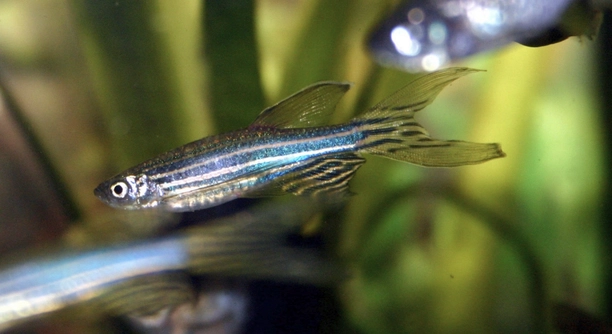
Zebra Danios are small, active fish commonly kept in home aquariums. Known for their striking stripes, they also display interesting behaviors that have sparked curiosity. Their ability to recognize other fish has been the subject of scientific exploration.
Research indicates that Zebra Danios can recognize other fish, particularly members of their own species. This ability plays a role in their social interactions, helping them identify potential mates and establish hierarchies within their groups.
This insight into their recognition abilities will help you understand more about Zebra Danios and their behavior in the aquarium.
How Zebra Danios Recognize Each Other
Zebra Danios are social fish, often found swimming together in schools. They rely on their vision and the patterns of stripes on their bodies to identify one another. Their ability to recognize other fish is key to their interactions in the wild. This skill helps them interact with others in their group, especially for mating and social hierarchies. Zebra Danios also tend to recognize the environment they are in, which allows them to adapt better to different settings, such as aquarium setups. Understanding how they recognize others can improve their care, making them feel comfortable in their environment.
When it comes to Zebra Danios, recognizing their fellow school members helps prevent aggression and competition. By identifying each other, these fish can build a cohesive, peaceful environment in the tank. This social behavior is essential for their overall well-being.
This recognition isn’t just about survival. It’s also a sign of how intelligent Zebra Danios are in navigating their surroundings. Their ability to interact with both their environment and tank mates is crucial for maintaining healthy relationships within a school. By acknowledging their social needs, you can help keep them thriving in your aquarium.
How Their Recognition Affects Aquarium Care
Fish in an aquarium benefit from a stable, stress-free environment. Zebra Danios, being social fish, thrive in groups. It’s essential to provide them with the right number of tank mates. Having at least five or six Zebra Danios ensures that they can recognize one another and interact without stress. Too few Danios can lead to anxiety, which may cause unwanted behaviors.
Zebra Danios have been observed engaging in schooling behavior, which is common among many fish species. This behavior helps them avoid predators in the wild and makes them feel more secure in the aquarium. The presence of tank mates allows them to demonstrate their social nature, reducing stress. They are also more active when surrounded by others, promoting better health.
If you want your Zebra Danios to thrive, providing them with a suitable environment that mimics their natural habitat is vital. This includes maintaining water quality and ensuring that they have enough space to swim freely. Creating a peaceful atmosphere encourages socialization, which is essential for their well-being.
How Recognition Helps Zebra Danios with Social Structure
Zebra Danios rely on recognizing each other to establish a social hierarchy in their groups. This helps them determine their roles within the school, with dominant individuals typically leading the way. The recognition of their peers can reduce stress and competition.
By recognizing other Danios, these fish are able to identify those of similar size or status, which helps to reduce conflict. This behavior ensures that they avoid aggression, making for a more peaceful environment in the tank. Social structure is essential for their comfort and survival.
Establishing a social structure allows Zebra Danios to interact naturally, ensuring they feel secure. In the wild, these social behaviors help maintain a balanced community, where each fish has a place. In an aquarium, providing the right number of fish helps them display these behaviors. This leads to a healthier, happier tank.
Why They React to Familiar Fish
Zebra Danios show specific reactions when they recognize familiar fish. They tend to swim in schools, staying close to others they know. This behavior is instinctive and helps reduce stress by keeping them in a safe, familiar group.
Their recognition abilities make them more comfortable in an aquarium. When they can identify the other fish around them, they feel more secure and exhibit fewer signs of anxiety. This is particularly important in an aquarium setting, where the fish need to rely on each other for safety.
Providing Zebra Danios with a group of familiar companions can enhance their well-being. It encourages natural behaviors, allowing them to thrive in a more relaxed and social environment. Keeping a balance in the tank helps them establish connections that are essential for their happiness.
How Recognition Influences Zebra Danios’ Mating Behavior
Zebra Danios recognize potential mates through visual cues, mainly their stripes and body patterns. This ability helps them identify healthy, suitable partners within their group. Recognition plays a key role in their reproductive success.
When it comes to mating, Zebra Danios are more likely to approach and court fish they recognize as potential mates. Their ability to identify other Danios helps in the selection process, ensuring better chances for reproduction. It also helps them avoid aggressive encounters with other fish during mating season, which could cause stress.
Their recognition skills allow Zebra Danios to engage in more successful mating behavior. By recognizing each other, they can interact without wasting energy on inappropriate or aggressive encounters. This is crucial in their natural behavior and contributes to the overall health of the species.
Effects of Environmental Factors on Recognition
Water temperature, quality, and lighting can all impact Zebra Danios’ ability to recognize other fish. A stable, clean environment supports their recognition skills by ensuring they feel comfortable and able to interact freely. When these factors fluctuate, their ability to identify each other may decline.
Zebra Danios rely heavily on their vision to identify their tank mates. Poor water quality or overly bright lights can interfere with their ability to see clearly, which affects how they recognize and interact with others. A balanced environment helps them thrive, as they can use their recognition skills to maintain healthy social behaviors.
The Role of Socialization in Their Recognition Skills
Zebra Danios’ socialization from a young age influences their recognition abilities. Fish that are raised in a group learn to identify each other more effectively, leading to smoother interactions as they grow older. Without proper socialization, these fish may struggle to recognize their peers.
A well-socialized Zebra Danio will engage more confidently with other fish. This helps build a stable social structure in the tank, leading to healthier behaviors and less aggression. Regular interactions within their species are vital for developing strong recognition skills.
FAQ
Can Zebra Danios recognize their owners?
Zebra Danios have been observed reacting to their owners. They might approach the tank when someone enters the room, associating the presence of their owner with feeding time. However, their recognition is likely based more on routine and visual cues rather than a true emotional connection.
They are not as bonded to humans as some other pets, like dogs, but they can learn to associate a person with food or other events. This is a sign of their adaptability and ability to learn certain patterns. Still, their recognition of humans is not as advanced as it is for other animals.
How long do Zebra Danios live?
Zebra Danios typically live for about 3 to 5 years in an aquarium. Their lifespan is influenced by water quality, diet, and overall tank conditions. A well-maintained environment with proper care can help them live closer to their maximum lifespan.
To ensure that your Zebra Danios live a healthy life, provide a stable water temperature, clean the tank regularly, and offer a balanced diet. Proper care can also prevent common diseases that may shorten their lifespan. Keep in mind that environmental stress or poor care can significantly reduce their life expectancy.
Do Zebra Danios need to be kept in schools?
Yes, Zebra Danios are schooling fish and prefer to live in groups. A minimum of five or six individuals is recommended to keep them comfortable. In smaller groups, they may become stressed or exhibit more aggressive behaviors.
When housed in groups, Zebra Danios feel more secure and are less likely to show signs of anxiety. A school also helps reduce territoriality, which can happen if they are kept alone or in pairs. Their natural instinct is to swim together, so it’s best to mimic this behavior in your aquarium for their well-being.
What should I feed my Zebra Danios?
Zebra Danios are omnivores, meaning they can eat a variety of foods. A balanced diet includes high-quality flake food, live or frozen foods like brine shrimp, and occasional plant matter like algae wafers. This variety ensures they receive all the nutrients they need to stay healthy.
While they can survive on a simple diet of flakes, offering variety in their meals will encourage healthy growth and bright coloring. Overfeeding should be avoided, as it can lead to water quality issues. Feed them small amounts 2 to 3 times a day for the best results.
Do Zebra Danios require a heater?
Zebra Danios thrive in a water temperature range of 65 to 75°F (18 to 24°C). While they can tolerate slight temperature fluctuations, a heater is recommended for maintaining a stable environment, especially if the room temperature is too low.
In cooler climates or homes with temperature fluctuations, a heater helps ensure the water stays within the optimal range for Zebra Danios. Maintaining a consistent temperature supports their overall health, activity levels, and breeding behavior. Ensure the heater is properly calibrated to avoid overheating the tank.
Can Zebra Danios live with other fish?
Yes, Zebra Danios are peaceful and social fish that can coexist with many other species. They are typically compatible with other small, non-aggressive fish. They do well with species like tetras, guppies, and other small livebearers. However, they may not do well with larger or more aggressive fish.
It’s important to avoid keeping them with overly territorial or predatory fish that might see them as prey. Zebra Danios are generally easy to care for and peaceful in community tanks, as long as the tank mates are of similar size and temperament.
How do Zebra Danios breed?
Breeding Zebra Danios is relatively simple. They lay eggs in plants or on surfaces in the aquarium, and both males and females participate in the process. The males chase the females, and once the female is ready, she will release eggs, which the male fertilizes externally.
The eggs hatch in about 2 to 3 days, depending on the water temperature. After hatching, the fry are tiny and need to be fed infusoria or finely crushed food until they grow large enough to eat regular food. Removing the adults after breeding is important, as they may eat the eggs or fry.
What size tank do Zebra Danios need?
Zebra Danios do best in tanks of at least 10 gallons when kept in groups. This provides enough space for them to swim and establish a natural social structure. A larger tank is ideal if you plan to house multiple fish or keep other species together.
A 10-gallon tank allows you to maintain water quality easily and gives Zebra Danios room to swim freely. However, if you plan on keeping a larger school, a tank of 20 gallons or more will provide additional space and ensure the fish remain active and comfortable.
How do Zebra Danios behave in an aquarium?
Zebra Danios are active swimmers that enjoy exploring their tank. They often swim in schools, darting around and interacting with each other. Their behavior is generally peaceful, but they can become more territorial if housed in smaller groups. They are not known to be aggressive toward other fish.
Their playful, energetic nature makes them fun to watch. However, if the tank is overcrowded or the water quality is poor, they may become stressed and exhibit erratic behavior. Providing a balanced environment ensures they maintain their natural, social behaviors.
Final Thoughts
Zebra Danios are fascinating fish that can make great additions to an aquarium. Their ability to recognize other fish and form social groups adds depth to their behavior, which makes observing them enjoyable. As a species, they are relatively low-maintenance, making them ideal for both beginners and more experienced aquarium enthusiasts. By understanding their social needs, dietary preferences, and environmental requirements, you can ensure that they thrive in your tank. Keeping them in schools, providing a balanced diet, and maintaining a stable environment will help them live longer, healthier lives.
While Zebra Danios are generally peaceful, their recognition skills and interactions with other fish can help create a balanced ecosystem in the tank. Their active nature and social behaviors make them engaging to watch. These fish also adapt well to various tank setups, which makes them versatile and easy to care for. If you’re looking to introduce a species that is not only visually appealing but also adds movement and life to your aquarium, Zebra Danios are a good choice.
In summary, Zebra Danios are hardy and adaptable fish that can coexist with many other species in a community tank. Their ability to recognize other fish, especially those of their own kind, helps maintain social structure and reduce aggressive behavior. With the right care and environment, they can bring a lively and colorful touch to your aquarium for several years.

Hello,
If you enjoy the content that we create, please consider saying a "Thank You!" by leaving a tip.
Every little bit helps us continue crafting quality advice that supports the health, happiness, and well-being of pets around the world, for pets of all shapes, sizes, and species.
We really appreciate the kindness and support that you show us!