
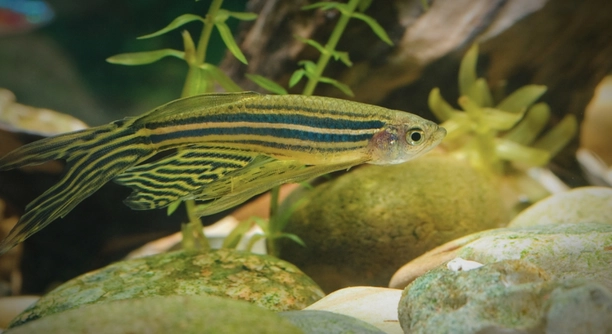
Zebra Danios are a popular species among aquarium hobbyists due to their small size and vibrant colors. If you’re new to caring for them, you may wonder when your zebra danio is considered a juvenile.
Juvenile zebra danios can be identified by their smaller size, translucent body, and less pronounced color patterns. They are typically less than 1 inch in length, with the vibrant stripes becoming more visible as they mature.
Knowing how to identify a juvenile zebra danio can help you provide the best care. This article will guide you in spotting these young fish in your tank.
Understanding Zebra Danio Development Stages
Zebra Danios go through several stages as they grow. Initially, they are very small, almost transparent, and have minimal color patterns. As they mature, they develop clearer stripes, a more solid body shape, and noticeable fin markings. At first, you may notice their movement is more erratic compared to their adult counterparts, which swim in a smoother, more coordinated fashion. During this time, their body begins to elongate, and the vibrant blue or yellow hues become more defined. It’s easy to get confused when a young zebra danio doesn’t have the signature striped look, but with patience, these traits will eventually appear as they reach full maturity.
The key to identifying a juvenile zebra danio is their size and markings. They are often no longer than 1 inch long and their body is semi-translucent. Their colors may seem faded or lighter, and the stripes are less obvious.
As they approach adulthood, they will begin to show their signature stripes, which become darker and sharper. Juvenile zebra danios often have a more pale or washed-out look. During this time, their fins are smaller, and their tails are not yet fully formed. It’s during these stages that they are most vulnerable to stress and require extra care. Their energy levels might seem lower than their adult counterparts, so it’s important to provide a stress-free environment and a balanced diet to encourage healthy growth. Over time, as the juvenile grows, you’ll notice these changes become more prominent, marking their transition into fully mature adult fish.
Key Characteristics of Juvenile Zebra Danios
Juvenile zebra danios are often more transparent and smaller in size than their adult forms. They exhibit a less vibrant color.
At this stage, their fins and tail are noticeably smaller, and they lack the sharp stripe patterns found in mature zebras. Instead, their colors are muted, and their stripes may appear faint or barely visible. It’s important to be patient during this phase and allow the fish time to develop its full color and markings.
Physical Features of a Juvenile Zebra Danio
Juvenile zebra danios are small and typically under 1 inch long. They are mostly translucent, with faint markings that don’t resemble the mature fish’s bold stripes. As they grow, their body shape changes, becoming more streamlined and fuller.
The tail fin remains smaller in a juvenile, and the body stays slender. Their colors aren’t as vibrant, often appearing more washed out compared to adults. Their stripes, while present, are harder to distinguish. The fins, especially the dorsal fin, will also be underdeveloped during this early growth phase. Over time, these features will become sharper and more defined.
This is the stage where their colors and stripes start to show potential. However, it’s easy to overlook these traits if you aren’t familiar with their growth stages. Patience is key as juvenile zebra danios take time to develop into the fully striped adults you’ll recognize.
Differences Between Juvenile and Adult Zebra Danios
The primary difference between a juvenile and adult zebra danio is size. Adults can grow up to 2 inches, while juveniles are much smaller. Along with size, their stripes are more defined as they mature.
Juvenile zebra danios still have the potential to develop the iconic horizontal stripes, but they may not be visible immediately. Their bodies are also more transparent, making it difficult to see the usual patterns that adults display. As they mature, their colors intensify, and the stripes become more vivid. Adults also have larger fins and a more rounded body shape compared to their juvenile counterparts.
The transition from juvenile to adult happens gradually. Early on, it’s difficult to tell the difference based solely on appearance. Over time, however, the contrast becomes more noticeable, and you will clearly recognize the adult’s bold stripes and fuller form.
Age and Growth Rate of Juvenile Zebra Danios
Zebra danios grow quickly, with juveniles typically reaching their full size within 6 to 8 months. During this time, they change from translucent fry to more colorful, mature fish. At first, they may seem to grow slower, but with proper care, their growth rate accelerates.
The first few months are crucial for development. They need the right environment, proper feeding, and minimal stress. With good conditions, they will grow steadily, and their colors will start to develop by the time they are about 3 months old. Their stripes will become clearer as they approach adulthood.
Feeding and Care for Juvenile Zebra Danios
Proper feeding is essential to ensure that juvenile zebra danios grow at a healthy rate. Feed them a balanced diet consisting of high-quality fish flakes, brine shrimp, or daphnia. These foods support their rapid growth.
You should offer small portions to avoid overfeeding and maintain water quality. Juvenile zebra danios require smaller meals more frequently than adults. They thrive on a diet that’s rich in nutrients, which will help in the development of their color and overall health. Clean water and a stable environment are key to their growth.
Signs of Maturity in Zebra Danios
Zebra danios reach full maturity when they grow to 2 inches in length and show fully developed stripes. At this stage, their body shape also becomes more robust. Their fins become more prominent and their movements smoother.
Mature zebra danios are noticeably different from their juvenile selves, and their vibrant stripes become clear. Their overall size and shape will distinguish them from younger fish, and the once-translucent body will turn more solid, reflecting their maturity.
FAQ
How can I tell if my zebra danio is a juvenile or an adult?
The easiest way to tell the difference between a juvenile and an adult zebra danio is by their size and color. Juveniles are usually smaller, under 1 inch long, and have a more transparent body with faint or almost invisible stripes. Adults, on the other hand, grow to about 2 inches in length, have vibrant, clearly defined horizontal stripes, and a fuller, more robust body shape. The fins and tail of a juvenile are smaller and underdeveloped compared to those of an adult zebra danio.
Do juvenile zebra danios need different care than adults?
Juvenile zebra danios do require slightly different care compared to adults. They need a more controlled environment to grow properly, with stable water temperature, minimal stress, and frequent, small feedings. As they grow, their diet should be rich in proteins and nutrients to support healthy development. Overfeeding should be avoided, as it can affect their growth and the overall water quality in the tank. Clean water and regular maintenance of the tank are crucial to ensure their well-being.
How fast do juvenile zebra danios grow?
Juvenile zebra danios grow relatively quickly. Under good conditions, they can reach adulthood within 6 to 8 months. During this time, they will go through various growth phases, gradually changing from translucent, tiny fish into adults with vibrant stripes. The speed at which they grow depends on factors like water quality, feeding habits, and temperature. Providing them with a balanced diet and clean, stable water will promote healthy and rapid growth.
At what age do zebra danios start showing their stripes?
Zebra danios usually begin to show their characteristic stripes when they are about 3 months old. Initially, juvenile zebra danios are transparent with faint or almost nonexistent stripes. As they mature, the stripes become more pronounced and vibrant, particularly by the time they reach about 6 months of age. These stripes continue to become sharper and darker as they reach full maturity around 8 months.
Can I keep juvenile zebra danios with adult zebra danios?
Yes, juvenile zebra danios can be kept with adult zebra danios without issue, as long as the tank conditions are appropriate for both. However, juveniles may be intimidated by larger adults, so it’s important to monitor them. Juveniles may also need extra care when it comes to feeding, as they are smaller and might struggle to compete for food. Ensuring there’s enough food for both juveniles and adults is important to keep everyone healthy.
Do juvenile zebra danios require a special diet?
Juvenile zebra danios do need a slightly different diet than adults, as they require more frequent feedings and smaller portions. Their diet should consist of high-quality fish flakes, micro pellets, and live foods like brine shrimp or daphnia. These foods are rich in the nutrients necessary for their rapid growth. It’s important to avoid overfeeding, as too much food can lead to poor water quality, which may affect the health of both juveniles and adults in the tank.
What is the best water temperature for juvenile zebra danios?
The ideal water temperature for juvenile zebra danios ranges from 72°F to 78°F (22°C to 25°C). Maintaining a stable temperature is essential for their growth and development. Temperatures that are too low or too high can stress the fish and hinder their growth. A reliable aquarium heater can help ensure the water stays within the ideal range.
Are juvenile zebra danios more susceptible to disease?
Yes, juvenile zebra danios are generally more susceptible to diseases due to their weaker immune systems. They are more sensitive to water quality issues and stress. To keep them healthy, ensure the tank is clean and the water conditions are optimal. Regularly monitor the water for ammonia, nitrite, and nitrate levels to avoid any harmful build-up that could lead to illness. Maintaining a stable environment and providing a balanced diet will also help strengthen their immune system over time.
How often should I feed juvenile zebra danios?
Juvenile zebra danios should be fed small portions 2 to 3 times a day, rather than just once. This helps prevent overfeeding while ensuring they get the necessary nutrients to support their rapid growth. As they grow, you can adjust the amount of food provided, but it’s important to monitor how much they consume to avoid excess food that can affect water quality.
Can juvenile zebra danios be kept in groups?
Yes, juvenile zebra danios are social fish and do well in groups. In fact, keeping them in groups can help reduce stress and allow them to develop natural social behaviors. It’s a good idea to keep at least 5 to 6 juvenile zebra danios together to ensure they feel comfortable and confident. A larger group can also help prevent any bullying or territorial behavior that might arise from isolation.
What is the lifespan of a zebra danio?
Zebra danios generally live for 3 to 5 years in captivity, although some may live even longer with optimal care. Their lifespan can be influenced by factors like water quality, diet, and overall tank conditions. Juvenile zebra danios should be given proper care as they grow to ensure they reach their full lifespan potential. Regular maintenance of the aquarium, proper feeding, and a stable environment all contribute to their longevity.
Final Thoughts
Zebra danios are fascinating fish that go through noticeable changes as they grow from tiny juveniles to fully matured adults. Understanding the stages of development can help you care for them better. Juveniles, with their small size and faded colors, might look quite different from adults at first. However, with the right care, they will gradually develop into the vibrant, striped fish that are so beloved by aquarium keepers. It’s important to remember that patience is key when raising zebra danios, as it can take several months for them to show their full colors and markings.
Providing proper care for juvenile zebra danios is essential to ensure they grow healthily and reach their full potential. A good diet, clean water, and a stable environment are crucial for their development. Since they grow quickly, it’s important to give them the right conditions to support this rapid growth. Overfeeding should be avoided to prevent poor water quality, which can harm both juveniles and adults in the tank. Additionally, monitoring their behavior and ensuring they are kept in a stress-free environment will help them mature properly.
In the end, while juvenile zebra danios may not look as striking as their adult counterparts, they are still interesting and enjoyable to care for. They will eventually develop their signature stripes and colors, becoming a beautiful addition to your aquarium. By understanding their growth process and providing them with the right care, you can help ensure that they grow into healthy, vibrant adults. Keeping an eye on their size, markings, and behavior will allow you to track their progress and enjoy the rewarding experience of watching them grow.

Hello,
If you enjoy the content that we create, please consider saying a "Thank You!" by leaving a tip.
Every little bit helps us continue crafting quality advice that supports the health, happiness, and well-being of pets around the world, for pets of all shapes, sizes, and species.
We really appreciate the kindness and support that you show us!