
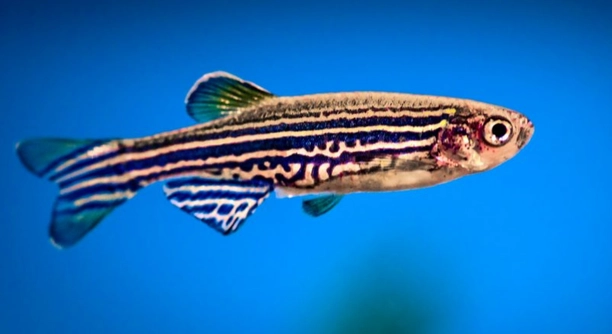
Is your zebra danio moving oddly in the tank, swimming more sideways than straight? This behavior can be worrying for any fish owner. It’s important to understand what might be causing this change.
Zebra danios often swim sideways due to swim bladder disorder, which affects their buoyancy and balance. This condition can be caused by overfeeding, poor water quality, or internal infections. Prompt attention and care are essential.
Recognizing the early signs and knowing what actions to take can make a big difference in your fish’s health and overall comfort.
What Causes Swim Bladder Problems in Zebra Danios
Swim bladder issues in zebra danios are often linked to a few specific causes. Overfeeding is one of the most common reasons. When a danio eats too much or swallows air while feeding, it can impact the swim bladder’s function. Poor water quality is another factor. High ammonia or nitrite levels can stress the fish and lead to internal problems. Bacterial or parasitic infections may also be behind the change in swimming behavior. Some fish may be more sensitive than others, especially if their immune system is weakened. Physical injury from tank decorations or aggressive tank mates can also lead to swim bladder damage. In some cases, low temperatures slow digestion, increasing the chances of bloating and swim bladder troubles. Paying attention to these possible causes can help you take quicker action and protect your danio from worsening symptoms or other health issues.
Always feed your danio small portions and avoid floating foods that can trap air in the stomach.
Clean, warm water and a peaceful tank environment help keep your fish healthy. A steady temperature between 72–78°F is ideal. You’ll also want to do regular water changes and check filter function. Keeping your fish’s immune system strong is easier when water conditions stay consistent.
How to Help a Zebra Danio Swimming Sideways
Separate the fish if other tank mates are bothering it. This reduces stress and gives your zebra danio a better chance to recover.
If your zebra danio is already swimming sideways, there are a few steps you can take at home. First, stop feeding for 24 to 48 hours. This can help reduce bloating if digestion is the issue. Then, switch to feeding skinned, boiled peas for a few days. Peas help move food through the digestive tract, relieving pressure on the swim bladder. Also, check your tank’s water parameters using a test kit. If ammonia or nitrites are high, perform a partial water change right away. Add an air stone or increase filtration to keep oxygen levels stable. In some cases, antibiotics or antiparasitic treatments may be needed, but only if infection is suspected. Always consult a vet or fish expert before using medications. By staying consistent and observant, you can support your fish through recovery and possibly prevent future episodes.
Preventing Future Swim Bladder Issues
Feed high-quality food in small amounts twice a day. Avoid overfeeding or using only floating pellets. A varied diet helps keep digestion smooth and reduces the risk of bloating or gas buildup that can affect the swim bladder.
Regular tank maintenance is one of the most effective ways to prevent swim bladder problems. Check water parameters weekly and change 20–30% of the water every 1–2 weeks. Make sure your filter is working well and the tank is not overcrowded. Temperature should stay steady between 72–78°F, as cold water slows digestion. Remove sharp or rough decorations that could injure your fish. Avoid sudden changes in the tank, including water chemistry and new tank mates, which can stress your danio. Also, try to feed sinking or soaked foods to prevent them from swallowing too much air. All of these small habits go a long way in preventing health issues.
Try to quarantine new fish before adding them to your tank. This simple step helps prevent the spread of parasites or infections that could affect your zebra danio. Monitor your fish for any odd behavior or signs of discomfort. Early changes in how they swim, eat, or rest can be signs of an issue starting. Swift attention often makes treatment easier and recovery faster. Take a closer look when your fish hangs near the surface, struggles to swim straight, or isolates itself. These are signs that something may be wrong internally. A healthy tank setup, steady routine, and balanced diet all work together to keep your zebra danio active and stable.
When to Seek Veterinary Help
If your zebra danio does not improve after home care, it may be time to get expert advice. Persistent sideways swimming, bloating, or a lack of appetite could signal a deeper issue that needs medical attention.
A vet who specializes in aquatic animals can check for internal infections, parasites, or injuries that may not be obvious. They may suggest diagnostic tools like X-rays or recommend specific medications. Always provide the vet with information about your tank setup, feeding routine, and how long the symptoms have lasted. This helps them narrow down the cause. Avoid using random treatments or over-the-counter products unless guided by a professional, as they could make things worse. In some cases, long-term swim bladder issues may not be fully curable, but proper care can still improve your fish’s comfort and quality of life. It’s okay to ask for help when you’re unsure.
Common Mistakes to Avoid
Avoid feeding dry flakes or pellets without soaking them first. Dry food can expand in the stomach, leading to bloating and possible swim bladder issues. Soaking helps reduce the chance of trapped air and digestion problems.
Don’t ignore small behavior changes in your danio. Swimming near the surface, resting too much, or sudden darting may all point to early signs of distress. Catching these signs early makes treatment more effective and recovery easier.
Can Swim Bladder Disorder Be Cured?
Swim bladder disorder can often be treated, especially if it’s caused by diet or water conditions. Many fish recover fully with fasting, a boiled pea diet, and improved tank maintenance. If the problem is due to infection or injury, recovery may take longer and could require medication. Some cases may be chronic, where symptoms come and go. While it may not always be completely cured, your zebra danio can still live a fairly normal life with the right care. The key is to act quickly and keep their environment clean and stress-free. Prevention is easier than repeated treatment.
Long-Term Care Tips
Keep the tank calm and stable, with no sudden changes in light, temperature, or water levels. A peaceful setup helps reduce stress and keeps your zebra danio healthy.
FAQ
Can swim bladder disorder go away on its own?
Sometimes, yes. If the issue is mild and caused by overeating or swallowing air, your zebra danio may recover with no treatment. Fasting for 24–48 hours and then feeding boiled peas often helps. But if the condition lasts more than a few days or the fish is getting worse, you’ll need to take more steps. Ignoring the signs for too long can make things harder to treat. Keeping a close eye on behavior and acting quickly can make a big difference. It’s always better to respond early than wait too long.
How do I know if it’s swim bladder disorder or something else?
Swim bladder issues usually cause problems with balance. Your fish may float to the top, sink to the bottom, or swim sideways. If it’s eating normally and seems active, the problem might just be mild. But if you notice clamped fins, lack of appetite, or red streaks, it could be an infection or another illness. You should also check your water parameters to rule out poor water quality. Testing for ammonia, nitrite, nitrate, and pH levels can help you narrow things down. When in doubt, it’s safest to ask a vet or fish expert.
What foods help prevent swim bladder disorder?
Foods that sink are better than floating ones. Frozen brine shrimp, daphnia, and boiled, skinned peas are great options. These help with digestion and reduce the risk of bloating. Try to feed a variety of foods instead of just one type. Avoid dry flakes and pellets unless you soak them first. Overfeeding is one of the biggest causes, so give only what your fish can finish in two minutes, twice a day. Feeding habits matter just as much as the type of food you choose. Keeping things balanced helps avoid many health problems.
Is swim bladder disorder painful for the fish?
It’s hard to know exactly how much pain a fish feels, but it can be uncomfortable. Struggling to stay upright or swim normally makes eating and resting harder. It may also leave your zebra danio open to stress or bullying from other fish. That stress can weaken the immune system and lead to more problems. You may notice your fish hiding, gasping, or looking less active. These are signs it’s not feeling well. Taking action early can reduce discomfort and help the fish feel more at ease in its environment.
Can other fish in the tank get swim bladder disorder too?
Swim bladder disorder isn’t contagious, so other fish won’t catch it like an infection. But if the problem is caused by water quality, poor food, or a stressful tank environment, then other fish can be affected in a similar way. That’s why it’s important to fix the root cause and not just treat one fish. Clean water, proper feeding, and safe tank decorations help all your fish stay healthy. Watching the group for similar behavior can help you catch problems early before they spread or get worse.
Should I isolate my zebra danio if it’s swimming sideways?
If the fish is getting picked on or looks very weak, it’s a good idea to move it to a separate tank or a breeding box inside the main tank. This keeps it safe while giving you a better chance to observe its behavior and treat it directly. Make sure the separate space still has clean, filtered water and stays at a stable temperature. Isolation also helps prevent more stress, which is important for healing. Just remember to monitor both the sick fish and the rest of your tank closely.
What if my fish keeps having swim bladder problems again and again?
Recurring swim bladder issues may point to a long-term problem. This could be something genetic, or related to how food is processed in your zebra danio’s body. Chronic cases might not go away completely but can often be managed. Stick to good feeding habits, keep the tank clean, and limit stress. A steady routine makes a big difference. If you’re doing everything right and still seeing problems, it’s worth talking to a vet to explore if an underlying condition is at play. Some fish may need extra care throughout their life.
Final Thoughts
Caring for zebra danios can be simple once you understand what they need. Swim bladder disorder might seem scary at first, especially if you’ve never seen it before. But in many cases, it can be treated at home with a few easy changes. Most of the time, the problem starts with overfeeding, poor water conditions, or stress. These are all things that can be controlled with regular care and attention. Watching your fish closely and noticing small changes in how they swim or act can help you catch problems early. That way, you have a better chance of helping them recover before the issue gets worse.
Keeping your tank clean and your fish’s diet balanced plays a big role in their health. Zebra danios are strong little fish, but they still need the right environment to stay well. Changing some habits, like soaking dry food or feeding peas, can make a real difference. You don’t need to add anything fancy to the tank—just focus on consistency. Test the water, avoid big changes, and keep an eye on how your fish interact with each other. If one starts swimming strangely, take it seriously and respond quickly. Even if the fish seems fine at first, early care can stop a small issue from becoming a bigger problem.
Not every swim bladder issue will be fully curable, especially if it happens often or is caused by a physical defect. Still, with proper care, most zebra danios can live a comfortable and active life. It’s okay to feel unsure sometimes, especially when you’re trying your best to care for a small pet. The good news is that simple steps—like fasting, improving diet, or making water changes—can have a big impact. And when you need help, vets and aquatic experts are there to guide you. Zebra danios are lively, fun fish that bring a lot of movement and energy to a tank. Helping them stay healthy is all about giving them a steady, peaceful home and paying attention to what they show you. With time, you’ll get better at reading their behavior and knowing when they’re not feeling their best.

Hello,
If you enjoy the content that we create, please consider saying a "Thank You!" by leaving a tip.
Every little bit helps us continue crafting quality advice that supports the health, happiness, and well-being of pets around the world, for pets of all shapes, sizes, and species.
We really appreciate the kindness and support that you show us!