
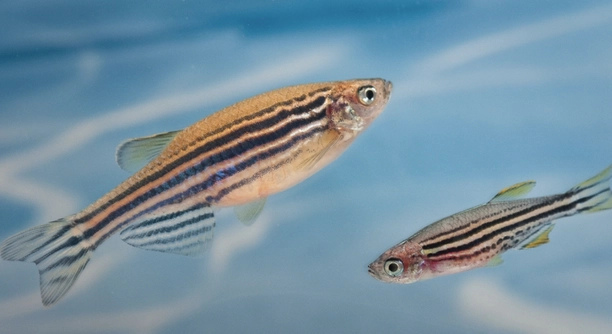
Have you ever found yourself watching your zebra danios zip around their tank and wondered if they notice you at all? These little fish are full of energy and always seem to be on the move.
Zebra danios can recognize their owners over time, mainly by associating them with food and routine. Research suggests they are capable of basic learning and may show excitement when a familiar person approaches, especially during feeding times.
Understanding how these fish interact with their environment can help you build a better bond and provide more enriching care for your zebra danios.
How Zebra Danios React to People
Zebra danios are active, social fish that often respond to changes around their tank. Over time, they may start to recognize patterns, including the person who feeds them. If you feed them regularly, they might swim toward you or gather at the front of the tank when you walk by. This behavior isn’t the same as deep emotional recognition, but it shows they can connect certain visual and sensory cues with specific outcomes. They rely on sight, movement, and vibrations in the water to detect what’s going on around them. Many owners notice their danios act differently around them compared to strangers. These little fish may not bond like dogs or cats, but they can show some level of familiarity. Simple routines help build this behavior. With time, danios often respond in ways that suggest recognition, especially during feeding or regular tank maintenance. This makes keeping them even more enjoyable.
Zebra danios are more responsive to consistent behavior. Quick movements or sudden changes might confuse them, while slow, regular activity helps them adjust and feel safe.
They are quick learners when it comes to routine. Their actions, like gathering near the top when they see you, are linked to memory and learned behavior. These reactions become stronger with repetition and consistency, especially during feeding. They may not feel affection, but they associate your presence with food and safety. Over time, this creates a pattern that makes them seem familiar with their owner. Some fish will even start reacting to footsteps or slight tank movements as signs that food is on the way. This shows a basic level of recognition. It’s not personal in the emotional sense, but it is based on learning and experience. Observing these habits helps owners connect better with their danios and give them a more predictable and enjoyable space. Patience and routine are key when trying to build that simple form of connection.
What Makes Recognition Possible
Zebra danios rely on their senses and memory to form simple associations. If the same person interacts with them daily, they start reacting in ways that reflect familiarity.
These fish use vision, vibrations, and routine to process information. They don’t think in complex ways, but they can remember patterns. Recognizing the person who feeds them is more about repetition than anything else. Feeding time becomes the moment they pay the most attention. If you approach the tank at the same time each day, they’re likely to react. Sometimes it’s by swimming to the front or darting around excitedly. These reactions aren’t emotional responses, but rather signals tied to what they expect. Over time, danios begin to connect your appearance or movements with specific actions. This is why they can seem to “know” you. They’re responding to a pattern. Understanding this can help you manage how you interact with them and give them a calm, predictable space.
How to Encourage Recognition
Feeding your zebra danios at the same time each day helps them associate you with food. Avoid sudden movements around the tank, and keep your interactions calm and consistent to make them feel more secure and familiar with you.
Zebra danios can become more responsive if you create a daily routine. Approach the tank slowly, speak softly, and offer food from the same spot. These repeated actions help your fish recognize patterns and link your presence with something positive. Over time, you may notice them swimming toward you or becoming more active when you come near. Try not to overcrowd the tank or change decorations too often, as too much change can confuse them. They prefer a stable environment. By keeping things predictable, you increase the chances they’ll recognize you and respond in a calm, positive way. It’s all about building trust through simple, repeated behaviors.
Handling is not part of bonding with danios, and it should be avoided. Instead, focus on positive reinforcement through feeding and observation. Use the same food, container, and even tone of voice. They can pick up on visual and auditory cues over time. It may not seem like much, but these little signals make a big difference in how they react. If you notice your fish hiding when someone new enters the room but acting normal around you, it’s a good sign they recognize you. Even if it’s based on simple association, it still adds to the experience of keeping these fish. Keep their surroundings stable, and they’ll become more comfortable. Watching them grow used to you can be one of the more rewarding parts of caring for zebra danios.
What Not to Expect
Zebra danios don’t form emotional attachments like dogs or cats. They act based on memory and patterns, not feelings. Expect learned responses, not affection. Their recognition is practical, not emotional, and that’s perfectly normal for fish.
Some people may expect too much from small fish like danios, especially when it comes to bonding. They are not wired for deep emotional connection. Their brains are simple, and their actions reflect conditioning, not love or loyalty. They will not follow you with emotional intent or “miss” you in the way a dog might. Their recognition is more of a response to habits and sensory cues. This isn’t a bad thing—it’s just how fish work. Observing their learned behaviors can still be enjoyable and meaningful. By understanding what to expect, you’ll avoid disappointment and appreciate the unique ways these fish interact. It’s less about affection and more about building trust through routine.
How Long It Takes to Notice a Response
Most zebra danios start showing signs of recognition within one to two weeks of consistent interaction. Regular feeding and quiet, repeated behavior around the tank help speed up this simple learning process.
If you change up your routine often, it might take longer for them to respond consistently. They rely on steady patterns.
Do They Recognize Only One Person?
Zebra danios may respond to more than one person if those people are part of a regular routine. They associate actions like feeding or cleaning with whoever performs them consistently. Recognition is based on learned behaviors, not emotional connection, so more than one person can be part of that familiar pattern. However, if only one person is regularly near the tank, that person is more likely to get the strongest response. This is why some fish seem to favor one person over others. It’s simply about habit and repetition.
Are There Any Signs to Look For?
Swimming near the front of the tank, following your movements, or becoming active when you approach are all signs of recognition.
FAQ
Can zebra danios see human faces?
Zebra danios don’t recognize individual facial features the way humans do. Their vision picks up on shapes, colors, and movement rather than fine detail. They can distinguish a person’s general appearance, especially if they are around the tank often and follow a routine. Over time, your body shape, motion, and even clothing color can become familiar to them. It’s not facial recognition in the human sense, but they do use sight to associate people with food or other regular activities. This type of recognition relies more on memory and visual patterns than emotional bonding.
Do zebra danios respond to sound?
Yes, they can detect vibrations and sound through the water. Zebra danios don’t hear like humans do, but they pick up on certain sounds, especially if those sounds happen consistently around feeding time. For example, if you gently tap a specific spot on the tank before feeding them every day, they may start responding to that noise. Loud or unpredictable sounds, on the other hand, can startle them and make them hide. Keeping sounds gentle and consistent is a good way to build a sense of routine and help them feel secure.
Will zebra danios remember their owner after a long time?
Their memory is short-term when compared to pets like dogs, but they can remember patterns for a few weeks. If you stop interacting for a while, they might stop responding to you the same way. However, once you resume your regular behavior, they often pick it back up quickly. They don’t “miss” you, but they do remember consistent events tied to feeding or environment changes. If you’re gone for a few days, their routine might reset slightly, but it can be rebuilt once you’re back. Their recognition is flexible, not permanent.
Do zebra danios show excitement?
Yes, zebra danios often show excitement by swimming rapidly, gathering at the surface, or changing their swimming pattern when they sense food is coming. If they associate your presence with feeding, they may start doing these behaviors when you come close. Their movements become quicker and more focused. It’s not emotional excitement like joy, but a trained response. Their body language is a good way to understand how they’re feeling or what they expect. These signs can help you know if they’re comfortable with you and your routine.
Is it harmful to try bonding with zebra danios?
No, it’s not harmful, as long as you respect their limits. Avoid trying to touch or handle them. They are not social in a physical way. Instead, use your presence, feeding times, and calm movements to build a predictable and peaceful environment. Trying to “force” interaction, like tapping on the glass or placing objects in the tank too often, can stress them. Let them come to you on their own terms. Building trust is slow but safe and helps improve their overall well-being. Keeping things calm is the best way to support their behavior.
Can zebra danios be trained?
To a small degree, yes. They can learn to associate certain actions or times of day with feeding. For example, if you feed them at the same time each day, they’ll start gathering at the surface around that time. Some owners use visual or sound cues before feeding, like turning on a light or lightly tapping the tank, and the fish begin to react to that signal. These simple forms of training rely on repetition. They aren’t doing tricks, but they are forming associations that lead to predictable behavior. This is the basis of how they seem to recognize you.
Will zebra danios interact with their tank mates the same way they interact with people?
No, their behavior toward other fish is different. They form schools and often swim closely with others of their kind. Their social interactions with tank mates are based on hierarchy, safety, and movement, not feeding routines. With people, their reactions are based mainly on food and environmental changes. They won’t form emotional bonds with humans or fish, but they do behave in ways that show learned responses. Watching how they act with other fish compared to you can help you understand their different social behaviors better.
Final Thoughts
Zebra danios are simple, active fish that learn through routine. While they don’t have the emotional depth of dogs or cats, they can still respond to the people who care for them. Over time, with consistent feeding and calm behavior, these fish may begin to act differently around you compared to strangers. They do not feel attachment, but they remember patterns. If you feed them every day, they will likely swim toward you and show signs of excitement when they see you approach. These small reactions can be rewarding and make the fish-keeping experience more enjoyable.
Recognizing people is not the same as bonding. Zebra danios act on habit and learned behavior. They do not form relationships, but they do respond to what they know. If you provide a calm, stable environment and follow a regular schedule, your danios will likely show signs of recognition. These signs include swimming to the top of the tank, gathering in groups, or following your movement from one side of the tank to the other. It’s a simple form of learning that adds a small layer of interaction between you and your fish. That alone can make caring for them feel more personal and fulfilling.
Understanding how zebra danios react to their environment helps you care for them better. They don’t need emotional connection, but they do benefit from routine, calm surroundings, and regular care. By recognizing what they can and cannot do, you create realistic expectations and enjoy the little behaviors that show their comfort. Whether you are feeding them, cleaning their tank, or just watching them swim, these moments matter. You don’t need deep bonding to appreciate them. Their energy, movement, and simple habits are what make them interesting pets. With time, patience, and care, zebra danios will respond in their own way—quiet, patterned, and familiar.

Hello,
If you enjoy the content that we create, please consider saying a "Thank You!" by leaving a tip.
Every little bit helps us continue crafting quality advice that supports the health, happiness, and well-being of pets around the world, for pets of all shapes, sizes, and species.
We really appreciate the kindness and support that you show us!