
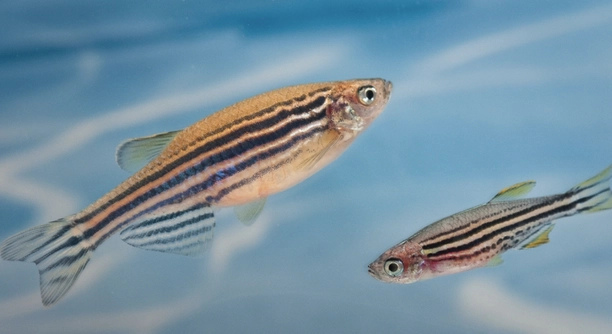
Have you ever found yourself unsure how often to feed your zebra danios, especially with their constant swimming and busy behavior? These little fish are active all day, making it hard to tell if they’re actually hungry.
Zebra danios should be fed small amounts once or twice a day. Providing more food than they can eat in two minutes may lead to overfeeding, which can affect both water quality and the fish’s overall health.
Feeding at the right times helps keep your danios healthy, active, and stress-free while supporting a cleaner aquarium environment.
How Feeding Frequency Affects Zebra Danios
Feeding your zebra danios too often can lead to water issues and health problems. These fish have small stomachs and fast metabolisms, so they need only a little food at a time. Stick to once or twice daily, offering an amount they can finish in two minutes. This prevents uneaten food from polluting the water, which can be harmful over time. Zebra danios are natural grazers, so they’ll often seem hungry even when they’re not. It’s better to feed them consistently than to respond to their behavior. If you miss a day, it’s usually not a problem. Healthy adult danios can handle short periods without food. For those keeping a community tank, make sure other fish aren’t outcompeting your danios at feeding time. Observing their behavior during and after meals can help you adjust the routine if needed. Clean, clear water and active swimming are signs you’re on the right track.
Overfeeding is more common than underfeeding and often goes unnoticed.
Monitoring your fish after meals helps ensure they’re getting enough to eat without leaving extra food behind. This habit makes it easier to spot early signs of stress or digestive trouble and keeps your tank cleaner over time.
What to Feed and When
Feeding once in the morning and once in the evening is enough.
Zebra danios do well on a diet of high-quality flake food, but variety is important. Rotate in micro pellets, frozen daphnia, or brine shrimp for added nutrition. These options mimic what they would eat in the wild and help support their immune system and color. Use only what they can consume in two minutes, and always remove any leftovers. Skipping one feeding occasionally can help balance their intake, especially if your tank has a lot of plants or natural food sources. Younger fish may need slightly more food, but always in small portions. If your danios are breeding, increase their protein intake slightly. Try feeding frozen foods more often during this time. Avoid feeding them human food or large chunks that they can’t eat. Crushed flakes or specialized micro-pellets are safer and easier for them to digest. Consistent feeding habits also make your fish more comfortable and easier to observe.
Signs You’re Feeding Too Much
Feeding your zebra danios too often can lead to cloudy water, leftover food at the bottom, and sluggish behavior. If you notice these signs, it’s time to cut back and adjust how much you’re offering during each feeding.
Uneaten food that sinks to the bottom is one of the first indicators of overfeeding. It breaks down and affects water quality, which stresses your fish. You might also notice algae building up more quickly, as excess nutrients feed its growth. Zebra danios that eat too much may show bloating, swim less actively, or appear lethargic. In some cases, their bellies might look swollen, especially after feeding. It’s important to scoop out extra food right away. Doing this helps avoid bacterial growth, mold, or ammonia spikes. Regular water tests and tank cleanings can help manage these issues before they affect your fish’s health.
If you’re feeding the right amount but still see problems, check for slow eaters or hidden food stuck behind decorations. You might be feeding more than you think. Splitting feedings into smaller portions or using a schedule can help reduce the amount of waste in the tank. Sometimes feeding less is the key to maintaining a cleaner, healthier setup. Watch how your fish respond to each feeding and adjust as needed.
How Age and Tank Size Affect Feeding
Young zebra danios usually need food more frequently than adults because they’re still growing. Small, high-protein meals two or three times a day are ideal for fry and juveniles. Just be careful not to overdo it.
In smaller tanks, waste builds up more quickly, so accurate feeding becomes even more important. Overfeeding in a small aquarium leads to ammonia spikes and cloudy water faster than it would in a larger setup. With limited space, leftover food and fish waste don’t have much room to break down, which affects overall water quality. Larger tanks offer a bit more forgiveness but still require proper feeding habits. The number of zebra danios in your tank also matters—more fish doesn’t mean you should add more food all at once. Instead, space out feedings or divide portions across different areas of the tank. Keep in mind that fish in larger tanks might be more active, but this doesn’t mean they need more food. Stick with small portions and watch for signs of overfeeding no matter the tank size.
Best Time of Day to Feed
Feeding your zebra danios in the morning and early evening works well. These times match their natural activity levels and help you stick to a simple routine. Avoid feeding late at night when they’re less active.
Keeping a consistent schedule helps reduce stress and supports healthy digestion. Your fish will become more responsive during feeding times, making it easier to spot changes in behavior or appetite.
How Feeding Impacts Tank Maintenance
Feeding habits play a big role in how clean your tank stays. Uneaten food can sink to the bottom and decay, releasing ammonia and other harmful substances into the water. This can affect both your zebra danios and any other tank mates. Keeping portions small and monitoring their eating behavior helps prevent waste buildup. Using tools like feeding rings can keep food in one place and reduce mess. Regularly remove leftovers and test water levels weekly. Over time, consistent feeding routines will lead to less debris, fewer water changes, and healthier fish. Clear water and active swimming are good signs you’re feeding just right.
Final Feeding Tip
Stick to a routine and keep portions small. It’s the easiest way to support healthy fish and a cleaner tank.
FAQ
How much should I feed my zebra danios at once?
A small pinch of food once or twice a day is enough for adult zebra danios. Only feed what they can finish within two to three minutes. If food remains floating or sinks uneaten, that’s a sign you’re offering too much. It’s better to underfeed slightly than to overfeed, as leftover food can dirty the tank and harm the water quality. You can always add a tiny bit more if needed, but it’s harder to undo the effects of overfeeding once it happens.
Can zebra danios go a day without food?
Yes, healthy adult zebra danios can go a day or even two without eating and still be fine. In fact, skipping a day now and then can help prevent overfeeding and give the tank time to stabilize. If you’re away for a weekend, they’ll likely be okay without a pet sitter. Just make sure they’re healthy and well-fed before you leave. For longer absences, consider using an automatic feeder set to small, timed portions to avoid waste buildup.
What happens if I feed them too much protein?
Too much protein can lead to digestive issues, bloating, and water pollution. Zebra danios need a balanced diet, not just protein-rich foods like brine shrimp or bloodworms. While these treats are great in moderation, daily feeding of high-protein foods can upset their digestive system and leave more waste in the tank. Stick with high-quality flakes or pellets designed for tropical fish and offer protein treats only a few times a week.
Can I feed them vegetables or plant-based foods?
Yes, zebra danios can eat small amounts of plant-based foods. Blanched zucchini, spinach, or shelled peas can be offered as occasional treats. These help support digestion and mimic some of the plant matter they’d find in the wild. Chop the vegetables into tiny pieces and remove any leftovers quickly to keep the tank clean. Don’t rely on these foods for every meal—use them as supplements to a main fish food.
Should I feed them differently during breeding?
During breeding, zebra danios can benefit from slightly more food and an increase in protein-rich options. Brine shrimp and daphnia work well to condition them. Feed small portions more often—two to three times per day—but stay alert for leftover food. After spawning, gradually return to a normal schedule. Fry (baby danios) require special care and should be fed infusoria or finely crushed flakes several times a day until they grow big enough for standard food.
What’s the best type of food for daily feeding?
A high-quality flake or micro pellet designed for tropical fish is ideal for everyday feeding. These foods contain a balanced mix of nutrients, vitamins, and minerals to support your zebra danios’ health. Look for options that don’t cloud the water. Rotate in small amounts of live, frozen, or freeze-dried foods a few times a week to keep things varied and enjoyable for your fish. Avoid overfeeding even if your fish seem excited at feeding time.
How do I know if my danios are eating enough?
Healthy zebra danios are active, swim quickly to the surface during feedings, and maintain a slim but full body shape. If they seem sluggish, hide often, or ignore food, something might be wrong—either in diet or tank conditions. Watch how fast they eat and adjust the amount slightly if necessary. As long as they finish everything in a few minutes and look healthy, you’re probably feeding just the right amount.
Can I use an automatic feeder for zebra danios?
Yes, automatic feeders can work well, especially if you travel often or want a consistent schedule. Choose a model that allows for small portions and doesn’t let too much food out at once. Test it for a few days before leaving your fish alone. Be sure to fill it with high-quality dry food and avoid using wet or fresh items that could spoil. Regularly check and clean the feeder to make sure it continues working properly.
Final Thoughts
Feeding zebra danios might seem simple, but getting it right takes a little care. These active fish do best on a consistent routine, with small amounts of food once or twice a day. Offering just enough for them to eat within two to three minutes helps avoid problems with overfeeding and keeps the tank clean. It’s easy to think giving them extra food is helpful, but too much can lead to poor water quality, stress, and even illness. Zebra danios are quick eaters, so observing their behavior during feeding times can tell you if you’re giving the right amount.
Their diet should mostly come from high-quality flakes or micro pellets made for tropical fish. These foods are balanced with the nutrients they need daily. While flakes work well for routine feeding, adding small portions of frozen, live, or freeze-dried foods like brine shrimp or daphnia now and then can help keep them active and healthy. Vegetables such as blanched peas or zucchini can be offered occasionally, but they shouldn’t replace the main food. Variety is good, but it should be introduced gradually and in moderation. It’s also important to remove any uneaten food from the tank quickly to keep the water healthy.
Zebra danios are hardy, but that doesn’t mean their care can be overlooked. A feeding schedule that works for their size, age, and activity level makes a big difference. During special times like breeding or raising fry, you may need to adjust how often and what type of food you give. Younger or more active fish might eat a bit more, while older or less active ones may need a lighter routine. No matter the situation, it’s always better to feed less and keep a close watch on their behavior. When feeding is done right, zebra danios stay lively, colorful, and in good shape. A simple routine, combined with small adjustments based on their needs, can help your fish stay healthy long term. Keeping things consistent and clean creates a balanced tank where your zebra danios can truly thrive.

Hello,
If you enjoy the content that we create, please consider saying a "Thank You!" by leaving a tip.
Every little bit helps us continue crafting quality advice that supports the health, happiness, and well-being of pets around the world, for pets of all shapes, sizes, and species.
We really appreciate the kindness and support that you show us!