
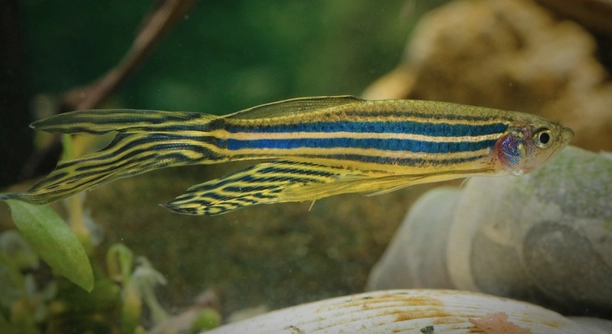
Zebra Danios are lively, active fish that are known for their playful nature. So, when they start lying at the bottom of the tank, it can be a cause for concern. Let’s explore why this might happen.
Zebra Danios may lay at the bottom of the tank due to several factors including stress, illness, water quality issues, or poor tank conditions. It’s important to observe their behavior and take immediate action to identify the underlying cause.
Several reasons could be affecting your fish. We’ll go over the possible causes and how to help your zebra danio recover.
Poor Water Quality
Water quality is one of the most common reasons why your zebra danio might be lying at the bottom of the tank. These fish are sensitive to changes in water conditions, so even small fluctuations can cause them stress. If the water is too dirty or the parameters are off, your fish will have trouble staying active and might retreat to the bottom. Testing the water for ammonia, nitrites, nitrates, and pH levels can quickly reveal any problems. When these levels are not in the ideal range, it can make your zebra danio feel unwell or exhausted. Regular water changes and proper filtration are essential for maintaining a healthy environment. Make sure you’re using a reliable water testing kit to check the key parameters often. Poor water quality can also cause your fish to become more susceptible to disease, which could be another reason why it’s staying at the bottom.
If you notice your zebra danio behaving this way, check the water quality immediately. Clean the tank, adjust the filters, and perform necessary changes to bring the water back to optimal levels.
Keeping your aquarium clean and ensuring that the water conditions are just right will make a big difference in how your zebra danio behaves. A stable environment is key for their health and happiness. If your fish continues to lay at the bottom despite good water quality, other factors like illness or stress might be at play.
Stress from Tankmates
Zebra Danios are peaceful fish that prefer a calm environment. However, they can get stressed if they’re housed with aggressive or overly active tankmates. If the tank is too crowded, your zebra danio might feel threatened, leading it to retreat to the bottom of the tank. In some cases, territorial behavior from other fish can lead to this kind of stress. You might notice the zebra danio darting around the tank or hiding to avoid confrontation. A stressed fish won’t have the energy to swim around, so it will rest at the bottom.
It’s important to choose compatible tankmates for your zebra danios. Avoid keeping them with aggressive species that could intimidate them. Properly spaced tanks with enough hiding spots help reduce stress.
Overcrowding is another factor that can create stress for your zebra danio. Fish need space to swim freely, and when they’re crammed into a small tank, it leads to competition for resources and can cause anxiety. Giving your zebra danio ample space to move around will help reduce its stress levels, encouraging healthier, more active behavior. Additionally, providing some hiding places or plants can help your fish feel secure and lower the likelihood of stress-related issues. Keep an eye on their interaction with other tankmates and adjust the environment as needed to ensure they thrive.
Illness or Injury
Zebra Danios are quite resilient, but like any fish, they can fall ill or suffer injuries. If your zebra danio is laying at the bottom, it may be dealing with an infection or injury. Look for signs such as swollen areas, lesions, or faded colors. These could be indicators of illness.
Common illnesses that affect zebra danios include fin rot, velvet disease, and dropsy. Each of these diseases requires different treatment, so it’s essential to identify the symptoms early. You can isolate the affected fish in a quarantine tank to help prevent it from spreading to other fish. Treating the illness early will give your zebra danio a better chance of recovery.
Injuries can also cause your zebra danio to rest at the bottom of the tank. These could be due to aggressive tankmates, poor water conditions, or accidents while swimming. If the injury appears to be minor, it may heal on its own with time. However, more severe injuries may need medical attention or a more controlled environment, like a hospital tank, to prevent further complications.
Poor Diet
A poor diet can have a direct impact on your zebra danio’s energy levels. If your fish isn’t getting the right nutrition, it might become sluggish and spend more time at the bottom of the tank. Zebra danios require a balanced diet that includes a mix of high-quality flake food, live or frozen foods like brine shrimp, and occasional vegetable matter.
Feeding only one type of food or low-quality food can lead to nutritional deficiencies. This can result in lethargy or weakened immune systems, making your zebra danio more susceptible to disease. Pay attention to the variety and quality of the food you provide. Try offering small portions several times a day instead of one large feeding session. This ensures your zebra danio gets the energy it needs to stay active and healthy.
If you suspect that your fish isn’t eating properly, check to see if it’s being outcompeted by other fish for food. This is common in tanks with many hungry mouths. Offering food at different times or in separate areas of the tank can ensure that your zebra danio gets its share. Regularly rotating its diet with different types of food is key to promoting overall health and activity.
Temperature Fluctuations
Zebra Danios are sensitive to temperature changes in their tank. If the water is too cold or fluctuates too much, it can cause them to become lethargic and seek shelter at the bottom. Keep the water temperature stable between 65-75°F (18-24°C).
Even small shifts in temperature can affect your zebra danio’s immune system and energy levels. A heater with a reliable thermostat can help maintain a consistent temperature, which is crucial for your fish’s overall health. Rapid temperature changes, especially from warm to cold, can stress your fish and make them less active.
Tank Size
A tank that’s too small can restrict your zebra danio’s movement and cause stress. A cramped environment often leads to inactivity, making them more likely to lie at the bottom. Ensure that your tank is large enough to allow for proper swimming space.
Zebra Danios are active fish that need room to swim and explore. A tank that’s at least 10 gallons will give them the space they need. If the tank is overcrowded, it can increase stress, causing your fish to retreat to the bottom. Ensure proper filtration and space for each fish.
Improper Lighting
Improper lighting can cause your zebra danio to feel stressed, leading it to stay at the bottom of the tank. Too much light or inconsistent light cycles can disrupt their natural behavior. Aim for 10-12 hours of light a day.
Using bright lights for long periods may also contribute to algae growth, which can further affect water quality. Ensure that your aquarium lighting mimics natural day and night cycles, providing a balanced environment. Reducing the intensity of the light during nighttime hours helps to keep your zebra danio comfortable and stress-free.
FAQ
Why is my zebra danio staying at the bottom of the tank?
There are several reasons why your zebra danio might be staying at the bottom of the tank. It could be due to poor water quality, stress, illness, injury, or even temperature fluctuations. Check your tank’s water parameters, ensure the fish aren’t stressed by tankmates, and observe for signs of disease. If the problem persists, consider isolating the fish to a quarantine tank for closer monitoring.
How can I improve the water quality for my zebra danio?
Improving the water quality for your zebra danio starts with regular water changes. Test the water frequently to monitor ammonia, nitrites, nitrates, and pH levels. If any of these parameters are out of balance, you need to adjust them accordingly. Use a reliable filtration system to maintain clear, clean water and remove harmful substances.
What is the ideal water temperature for zebra danios?
Zebra danios thrive in temperatures between 65-75°F (18-24°C). If the water is too cold or fluctuates too much, it can cause stress or illness. Use an aquarium heater with a thermostat to maintain a stable temperature. Avoid sudden temperature changes, as these can also stress the fish and cause lethargy.
What should I do if my zebra danio has an injury?
If your zebra danio has an injury, first assess how serious it is. Minor wounds may heal on their own with proper water conditions and some time. For more serious injuries, you might need to isolate the fish in a quarantine tank and treat it with salt baths or medications. Avoid using harsh chemicals unless necessary. Keeping the tank clean and stress-free can also help speed up recovery.
How often should I feed my zebra danio?
Zebra danios should be fed two to three times a day. Offer small portions of food that they can consume within a few minutes to prevent overfeeding. A balanced diet that includes high-quality flake food, live or frozen foods, and some plant matter is important for their health. Ensure they are getting enough nutrition by varying their food sources regularly.
Can zebra danios be kept with other fish?
Zebra danios are peaceful and social fish, so they do well in community tanks with other non-aggressive species. They are best kept with other small, peaceful fish like guppies, tetras, or corydoras. Avoid aggressive or territorial fish that might bully them. Proper tank size and sufficient hiding spots can help keep all your fish comfortable.
Why is my zebra danio swimming sideways or upside down?
If your zebra danio is swimming sideways or upside down, it could be suffering from a condition like swim bladder disease. This can be caused by overfeeding, poor water quality, or an infection. Isolate the fish and consider fasting it for a day or two, then offer food like peas to help clear any blockages. If symptoms persist, consider consulting an aquarium veterinarian.
What should I do if my zebra danio is not eating?
A loss of appetite in zebra danios can be caused by stress, illness, or poor water quality. If your fish isn’t eating, start by checking the water parameters and ensuring they are within the ideal range. If everything seems fine, try offering a different type of food. Sometimes, switching between flakes, pellets, and live food can trigger their appetite.
How can I tell if my zebra danio is stressed?
Zebra danios may show signs of stress such as hiding at the bottom of the tank, swimming erratically, or clamping their fins. Stress can be caused by poor water quality, overcrowding, or aggressive tankmates. If you notice any of these signs, check the environment and try to resolve any issues. Offering hiding spots and adjusting tank conditions can help reduce stress.
Can I keep zebra danios in a small tank?
Zebra danios need enough space to swim around and stay active. While they can live in tanks as small as 10 gallons, a larger tank is always better. Overcrowding can cause stress and limit their movement, leading to health issues. A 20-gallon tank or larger is ideal for a group of zebra danios to ensure they have plenty of space.
Do zebra danios need a filter?
Yes, zebra danios need a filter in their tank to maintain good water quality. The filter helps to remove toxins like ammonia and nitrites, which can be harmful to your fish. Ensure that the filter is appropriately sized for your tank, and maintain it regularly to keep the water clean and oxygenated. A filter will also help create water movement, which zebra danios enjoy.
Can zebra danios live with other species of danios?
Yes, zebra danios can live with other species of danios, such as pearl danios or longfin danios. These fish are social and enjoy the company of their own kind, so they will get along well with other danios. Just make sure that the tank is large enough to accommodate multiple fish and avoid overcrowding.
How do I know if my zebra danio is pregnant?
Female zebra danios may appear slightly rounder or fuller when they are ready to spawn, but they do not carry eggs like livebearers. Instead, they release eggs that are fertilized externally by the male. If you’re seeing this behavior, you might notice males chasing females, which is a sign of mating activity.
What causes zebra danios to lose their color?
A loss of color in zebra danios can be caused by stress, illness, or poor water quality. If the tank conditions are not ideal, it may result in faded or dull colors. Additionally, if your zebra danio is stressed from aggressive tankmates, inadequate diet, or illness, it can lose its vibrancy. Addressing the water quality and diet can help restore their natural color.
Final Thoughts
Zebra Danios are generally hardy and easy-to-care-for fish, but they are sensitive to their environment. If your zebra danio is laying at the bottom of the tank, it’s a sign that something isn’t quite right. Whether it’s poor water quality, stress, illness, or any of the other factors we’ve discussed, it’s important to address the issue quickly. A healthy environment and proper care are key to keeping your zebra danio active and happy. By regularly testing the water, maintaining a stable temperature, and offering a balanced diet, you can prevent many of the common problems that lead to lethargy in these fish.
It’s also crucial to be observant of your fish’s behavior. If you notice changes in how your zebra danio swims or acts, don’t ignore it. Even small shifts in behavior can signal that something needs your attention. Checking for signs of illness or injury, and addressing potential stressors from tankmates, can help prevent further issues. If the problem persists, isolating the affected fish in a quarantine tank might be necessary to provide the right treatment and reduce the risk of spreading illness to other fish.
Lastly, remember that zebra danios are social creatures and do best in a stable and peaceful environment. Providing adequate space, proper filtration, and suitable tankmates will make a big difference in their well-being. While it’s natural for them to occasionally rest at the bottom of the tank, prolonged behavior like this should not be ignored. By taking the time to ensure your tank meets their needs, you can help your zebra danios thrive and continue to enjoy their active and playful nature.

Hello,
If you enjoy the content that we create, please consider saying a "Thank You!" by leaving a tip.
Every little bit helps us continue crafting quality advice that supports the health, happiness, and well-being of pets around the world, for pets of all shapes, sizes, and species.
We really appreciate the kindness and support that you show us!