
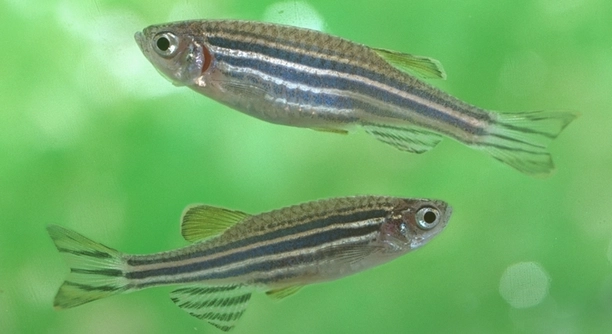
Have you ever spent time watching your zebra danios swim and started to wonder if their behavior shows signs of affection?
Zebra danios do not express affection in the same way mammals do, but they can form social bonds. These fish often swim together in groups, follow each other, and may show signs of recognition and comfort around familiar tank mates.
By observing their movement, group dynamics, and daily habits, you can learn more about how zebra danios connect with others in their tank.
How Zebra Danios Interact with Each Other
Zebra danios are social fish that prefer living in groups. In a tank, they often swim together and engage in synchronized movements. This behavior helps reduce stress and creates a sense of safety among the group. While they don’t cuddle or show affection like dogs or cats, their interactions can still indicate social bonding. You might notice them chasing each other playfully or swimming side by side. These actions aren’t aggressive but part of their natural schooling behavior. When kept alone or in small numbers, zebra danios may become more anxious or exhibit signs of discomfort. A group of at least five is ideal for keeping them active and calm. When comfortable, they tend to explore more, eat regularly, and display brighter colors. All of these are signs they feel secure in their environment. This kind of stability often encourages healthy social interaction and signals comfort among their tank mates.
A calm, balanced tank encourages zebra danios to engage in healthy social behavior without stress or fear.
Swimming in groups and following each other helps zebra danios maintain a sense of order and comfort. This behavior, though not affectionate in the traditional sense, shows how important social structure is for their well-being.
Recognizing Signs of Comfort and Familiarity
Zebra danios can become familiar with their tank mates, often showing more relaxed behavior around them over time.
Comfort is reflected in how active and responsive your zebra danios are. When they’re at ease, they eat regularly, swim smoothly, and interact without aggression. They may even show signs of recognizing you, especially during feeding time. While this isn’t affection in the emotional sense, it shows a level of learned behavior and familiarity. Erratic swimming, hiding, or fading colors can mean something is off, so it’s important to keep an eye on any changes. A well-maintained tank with stable water conditions, proper lighting, and a consistent feeding schedule can support their social habits. You don’t need a complex setup—just clean water, enough space to swim, and tank mates that match their peaceful temperament. Watching your zebra danios thrive in a calm and steady environment can be a quiet reminder that even fish have their own way of connecting with those around them.
How to Tell If Your Zebra Danio Feels Safe
Zebra danios that feel safe will swim actively in the open areas of the tank. They won’t hide often, and their movements will be smooth and steady rather than jerky or frantic. Bright coloration also indicates a healthy, calm fish.
If your zebra danios are hiding behind decorations, staying near the bottom, or darting around unpredictably, it may be a sign they’re stressed. Safe, relaxed danios will explore their surroundings freely and swim alongside others. A secure fish will eat promptly during feeding times and show interest when you approach the tank. Keeping the tank clean, with proper filtration and stable temperatures, helps maintain this sense of safety. Avoid sudden movements or loud noises near the aquarium, as these can cause them to startle easily. Pay attention to subtle behavior changes, as they often reflect how secure the fish feel in their environment.
Providing enough hiding spaces can also help them feel safe, even if they rarely use them. A balanced tank setup with plants or small decorations offers comfort by giving them the option to retreat if needed. These areas reduce stress and encourage natural behavior. Fish that feel safe will often interact more confidently and show signs of curiosity instead of fear.
Can Zebra Danios Show Affection Toward Humans?
Zebra danios don’t form emotional bonds the way mammals do, but they can show recognition of routine and presence. Some may swim toward you during feeding or follow your finger near the glass.
This behavior is often linked to conditioning rather than affection. When you feed your zebra danios at the same time daily, they begin to associate your presence with food. Over time, this routine can lead them to respond positively when you approach the tank. It’s not emotional attachment, but it does show learning and recognition. Maintaining consistency helps strengthen this response. Even small actions like gently tapping the tank before feeding can become part of their learned pattern. While zebra danios don’t bond in a personal sense, their interaction with humans can still feel meaningful. Observing these moments adds to the experience of keeping them and highlights how even small, patterned responses can create a sense of connection.
Do Zebra Danios Bond with Other Fish?
Zebra danios can form loose bonds with other peaceful fish, especially when raised together in the same tank. They tend to stay closer to their own kind but may swim near compatible species without showing signs of stress or aggression.
Keeping them with fish of similar size and temperament helps reduce conflict. While they don’t form deep connections, they become accustomed to familiar tank mates. A calm, stable environment encourages cooperative swimming and relaxed behavior across species. Compatibility plays a key role in how well zebra danios adjust and interact with others.
Why Group Size Matters for Zebra Danios
Zebra danios are schooling fish and do best in groups of at least five. A proper group size helps them feel secure, reduces stress, and encourages natural behavior. When kept alone or in too small a group, they can become anxious, withdrawn, or even aggressive. A larger group helps distribute attention and reduces dominance issues, especially during feeding. Group swimming patterns offer comfort and promote activity. A well-sized group also keeps them mentally stimulated and less likely to display nervous behavior. Keeping zebra danios in a group that mirrors their natural environment makes them healthier, more active, and easier to observe.
What to Avoid When Keeping Zebra Danios
Avoid keeping zebra danios alone or with aggressive tank mates. These conditions lead to stress, hiding, or unhealthy behavior. Keeping their environment stable and social helps support their overall well-being.
FAQ
Can zebra danios recognize their owner?
Zebra danios can’t recognize faces like a dog or cat would, but they can learn to associate their owner with feeding time and movement near the tank. If you feed them consistently, they may swim to the front of the glass when you approach. This behavior is more about routine and conditioning than true recognition. Over time, they may react more actively to your presence than to others, simply because they’ve connected your movement or gestures with food. This type of recognition adds to their charm and makes keeping them feel more engaging on a day-to-day basis.
Do zebra danios get lonely?
Yes, zebra danios are social fish and can become stressed or withdrawn if kept alone. They thrive in groups and feel more secure when surrounded by other danios. A single zebra danio in a tank may pace the glass, hide often, or become inactive. These are signs of distress, not just boredom. Keeping at least five together allows them to school, interact naturally, and stay active. Group dynamics also help distribute any chasing behavior, keeping the tank more balanced. Loneliness in zebra danios isn’t emotional in a human sense, but a lack of companions affects their health and behavior.
Can zebra danios form pairs?
Zebra danios may appear to pair off, especially during breeding periods, but these pairings are not long-term. In a group setting, males and females will chase each other during spawning and may spend more time together temporarily. Outside of spawning, they usually return to schooling behavior. Pairing doesn’t reflect emotional attachment or affection. It’s mostly driven by breeding readiness and environmental conditions. Observing these short-term interactions can be interesting, but they shouldn’t be mistaken for bonding. A group setting remains ideal, as it supports their natural behavior patterns more than trying to keep them in pairs.
Do zebra danios need stimulation?
Yes, zebra danios benefit from mental and physical stimulation. A tank with open swimming space, gentle water flow, plants, and small decorations keeps them active. They enjoy exploring and moving through different areas, which helps reduce stress. Simple changes in tank layout or adding new elements occasionally can provide enrichment. Avoid keeping them in bare tanks, as it can lead to boredom and unusual behaviors like glass surfing or aggression. Stimulation supports their health and encourages more natural swimming patterns. Balanced activity levels help them stay vibrant and socially engaged with each other.
Can zebra danios feel stress from changes in routine?
Zebra danios are sensitive to sudden changes, especially in water quality, feeding times, or lighting. Inconsistent routines can cause them to become jittery, hide, or eat less. Keeping a stable environment with regular maintenance helps reduce stress. Changes in tank mates, temperature, or filtration can also trigger signs of distress. Stressed danios might breathe rapidly, lose color, or isolate from the group. Sticking to consistent care routines helps maintain a calm tank atmosphere. If changes are needed, introduce them gradually to give the fish time to adjust. A stable routine is one of the easiest ways to support their wellbeing.
Is it normal for zebra danios to chase each other?
Yes, mild chasing is normal and often seen as part of play, establishing social roles, or during breeding behavior. However, if one fish constantly chases or nips at others, it could signal a problem. This behavior might be due to overcrowding, lack of hiding spots, or imbalance in the group. Ensuring an even number of males and females and keeping the group size appropriate helps reduce excessive chasing. Occasional bursts of energy are expected, but continuous aggression needs attention. Monitoring their interactions over time helps you understand what’s normal and when to make changes.
Final Thoughts
Zebra danios are simple to care for but still have unique behaviors that make them interesting to watch. While they don’t show affection in the same way mammals do, they do respond to routine, feel secure in groups, and interact with their surroundings. Their activity level, social behavior, and quick movements make them a favorite for many aquarists. These small fish thrive when kept in the right conditions, with plenty of space, stable water, and a group of their kind. When their needs are met, they can live healthy, active lives and display natural schooling behavior in your tank.
Understanding zebra danios means learning to recognize their signs of comfort and stress. They may swim to the front of the tank when they associate you with feeding, school together when they feel safe, and become more active in a well-maintained environment. Stress can show up through hiding, chasing, or changes in appetite, so it’s important to watch them closely and adjust care as needed. Their behavior may seem simple, but it can tell you a lot about how they feel. Even if they don’t show affection the way we often expect, they do react to positive conditions and routines.
Keeping zebra danios healthy and socially active is the best way to ensure they stay happy. A balanced diet, clean tank, and proper group size go a long way. They may not bond with you like a dog or cat, but they still show signs of learning, habit, and response to their environment. With a little attention and consistency, these fish will remain active, peaceful, and rewarding to care for. Watching them move together, explore their space, and interact with each other offers a calming and enjoyable experience for anyone who keeps them.

Hello,
If you enjoy the content that we create, please consider saying a "Thank You!" by leaving a tip.
Every little bit helps us continue crafting quality advice that supports the health, happiness, and well-being of pets around the world, for pets of all shapes, sizes, and species.
We really appreciate the kindness and support that you show us!