
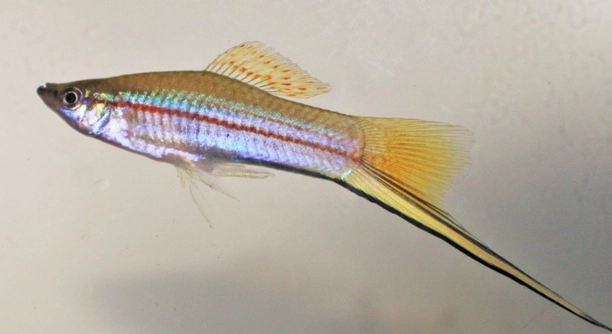
Swordtails are popular aquarium fish, known for their vibrant colors and active nature. Keeping them healthy and happy requires understanding their environment and behavior. One key aspect of their well-being is feeling safe in their tank.
To determine if your swordtail feels safe, observe its swimming patterns, interaction with other fish, and response to its surroundings. When a swordtail feels secure, it will swim more confidently, maintain a healthy appetite, and avoid hiding excessively.
By recognizing signs of comfort, you’ll help ensure your swordtail thrives in its environment. There are a few things to keep an eye on to make sure your fish remains healthy and at ease.
1. Recognizing Swimming Patterns
A swordtail’s swimming behavior can reveal a lot about how it’s feeling in its environment. When your swordtail feels safe, it will swim freely and confidently, exploring different areas of the tank. This type of movement is often graceful, as the fish moves through the water without hesitation. If your swordtail starts darting around the tank or hiding behind decorations, this could be a sign it’s feeling threatened or stressed.
A calm, relaxed swordtail tends to swim at mid-level, occasionally darting to the surface for air. It will also move with a steady, rhythmic pace, which shows that it is comfortable with its surroundings. Fish that seem fearful or constantly move quickly might be reacting to stressors in their environment, such as a new tank mate, loud noises, or poor water quality.
Keeping the tank’s water conditions stable and avoiding sudden changes can help your swordtail feel secure enough to swim more freely. The more you observe its normal swimming patterns, the easier it will be to spot when something is off.
2. The Role of Tank Environment
If the swordtail’s tank isn’t set up with the right elements, it might feel unsafe. You can help by providing plants, hiding spots, and appropriate tank mates. Swordtails appreciate having areas to retreat to when needed, such as caves or dense plants.
A well-planted tank will make your swordtail feel more secure. Plants not only help provide hiding spots, but they also mimic the natural environment of the fish, making them feel more at ease. Ensure that your swordtail has plenty of space to swim around, as overcrowded tanks can create stress.
The temperature, lighting, and filter also play a big role in the swordtail’s comfort. Water that’s too hot or cold, too bright, or with an excessive current can cause anxiety, which will make your fish seek shelter. Keeping these factors in balance will encourage your swordtail to act naturally and stay active.
3. Interactions with Other Fish
Swordtails are social fish but still need the right tank mates to feel secure. They can be aggressive toward smaller or weaker fish, especially if they feel their space is threatened. The presence of other fish can either help or hinder their sense of safety, depending on the species and number of fish in the tank.
Swordtails do best in a peaceful community tank with other similarly-sized fish that don’t pose a threat. They may show some territorial behavior but generally get along well with other non-aggressive species. If you see your swordtail chasing or nipping at others frequently, it may be stressed or trying to establish dominance.
Keeping the tank peaceful will help your swordtail feel more comfortable. Avoiding too many aggressive species and ensuring that no one fish is harassing your swordtail will promote calm behavior. If your fish is isolated or bullied by tank mates, its sense of safety could be compromised. A balanced tank with the right companions is key to their well-being.
4. Monitoring Eating Habits
When your swordtail feels safe, it will maintain a healthy appetite. A decrease in eating, especially over several days, could indicate stress or discomfort. Swordtails typically eat actively and eagerly when their environment is secure.
If your fish is not eating or hesitating to approach the food, it might be reacting to environmental stressors. Changes in water quality, tank mates, or lighting can impact their appetite. Monitoring your swordtail’s eating habits will help you catch early signs of distress.
Offering a variety of foods can also help encourage eating. Live foods, like brine shrimp, can stimulate a swordtail’s interest in food. Healthy eating habits reflect a relaxed and comfortable fish.
5. Observing Body Language
Swordtails are known to display subtle body language that signals their comfort level. If they are feeling safe, their colors will be bright and vibrant. They may also display relaxed fins and smooth swimming movements.
A swordtail’s posture can also reveal how secure it feels. When stressed, swordtails may swim with their fins clamped tightly to their bodies, or they may hide. They could also lose some of their natural color, becoming dull or washed out, as a sign of distress. These changes are typically seen when they feel threatened.
Watch for signs like erratic movements, which could indicate that your swordtail is not at ease. A swordtail that is moving comfortably and displaying its full color range is showing a relaxed and secure state. This is often a clear indication that it feels safe.
6. Monitoring Stress Indicators
Stress indicators in swordtails are often visible through changes in behavior. If your swordtail is frequently hiding, swimming erratically, or avoiding other fish, it may be feeling unsafe. Constant stress can lead to health problems if not addressed.
It’s important to track any signs of stress for proper care. Swordtails are particularly sensitive to sudden changes, such as water quality or the introduction of new tank mates. Identifying stress early on can help you make the necessary adjustments to make your fish feel secure again.
Addressing the root causes of stress will improve your swordtail’s overall well-being.
7. Checking for Aggression
Swordtails can become aggressive, especially when they feel their space is threatened. This behavior can involve chasing other fish or nipping at fins. It’s important to monitor their interactions with tank mates.
Aggression may occur if your swordtail is trying to establish dominance or feels crowded. A peaceful environment with appropriately sized tank mates can help reduce such aggression. Providing enough space for each fish to establish its territory will keep them calm and comfortable.
Overcrowding and incompatible tank mates are common triggers for aggression.
FAQ
How can I tell if my swordtail is stressed?
A stressed swordtail may show several signs, including hiding more frequently, swimming erratically, or displaying signs of aggression toward other fish. Its colors may also fade, and it might refuse to eat or swim with its fins clamped tightly to its body. Pay close attention to any changes in behavior, as these can be clear indicators of stress. Poor water conditions, sudden changes in temperature, or overcrowding can all trigger these signs. If stress persists, it could affect your swordtail’s health.
What should I do if my swordtail is not eating?
If your swordtail isn’t eating, first check the water quality. Poor water conditions, like incorrect pH levels or high ammonia levels, can cause fish to lose their appetite. Make sure the tank is clean and properly filtered. If everything seems fine with the environment, consider if any recent changes, like new tank mates or decorations, might have caused stress. Offering a variety of foods, including live food like brine shrimp, may encourage eating. If the issue persists for several days, consult a vet to rule out any health problems.
Can swordtails live with other fish?
Swordtails are generally peaceful and social fish. They do well with other non-aggressive species that are similar in size. However, they can become territorial and may chase smaller or weaker fish. Avoid housing them with overly aggressive species or fish that are too small, as they might become stressed or bullied. Proper tank size is crucial—overcrowding can also cause stress and lead to territorial behavior. Monitor interactions between tank mates to ensure everyone is getting along and feeling safe.
What tank size is best for swordtails?
A 20-gallon tank is the minimum recommended size for swordtails, especially if you plan to keep more than one. The tank should provide plenty of swimming space, as swordtails are active fish. If you are keeping a group, a larger tank will help prevent overcrowding and reduce stress. More space also allows for proper hiding spots and plants, which make swordtails feel more secure. A well-sized tank with appropriate filtration and water flow will help maintain a healthy environment for your fish.
How often should I feed my swordtail?
Swordtails should be fed once or twice a day, but it’s important not to overfeed. Feed them a small amount of food they can consume within a few minutes. Overfeeding can lead to poor water quality and health problems. Variety is important, so include a mix of high-quality flake foods, pellets, and occasional live or frozen foods. This balanced diet will keep your swordtail healthy and help maintain its natural color and energy levels. Always remove any uneaten food after feeding to avoid water contamination.
What are common health issues in swordtails?
Swordtails can experience a range of health problems, including fin rot, ich (a parasitic infection), and swim bladder disease. Fin rot is often caused by poor water quality or injury and can be treated with antibiotics or by improving tank conditions. Ich is identified by small white spots on the fish’s body and can be treated with aquarium salt and temperature adjustments. Swim bladder disease affects the fish’s buoyancy, often due to overfeeding or constipation. Regular water changes, proper tank maintenance, and a balanced diet can help prevent many of these issues.
How can I make my swordtail feel more comfortable in its tank?
To make your swordtail feel safe, maintain stable water conditions, avoid sudden changes in temperature or pH, and provide plenty of plants or hiding spots. Swordtails appreciate some structure in the tank, which allows them to retreat when they feel threatened. Avoid overcrowding the tank, as this can stress the fish. Also, keep an eye on the behavior of tank mates, ensuring they’re compatible with your swordtail’s peaceful nature. A comfortable, well-maintained environment encourages your swordtail to swim freely and exhibit natural behaviors.
Can swordtails live in both fresh and saltwater?
Swordtails are freshwater fish and should not be kept in saltwater tanks. They thrive in well-maintained freshwater aquariums with a stable temperature and pH. Saltwater environments are too harsh for them, and they would not survive in such conditions. It’s crucial to provide the right water conditions for swordtails, including proper filtration, regular water changes, and a temperature range of 72-79°F (22-26°C). Keeping them in their natural freshwater habitat will promote their health and longevity.
What temperature is best for swordtails?
Swordtails thrive in water temperatures between 72°F and 79°F (22°C – 26°C). If the water gets too cold or too warm, it can cause stress and affect their health. A consistent temperature is important, so avoid placing the tank in areas with fluctuating temperatures, such as near windows or air conditioning units. Invest in a good aquarium heater if necessary to keep the water within the ideal range. Sudden temperature changes can also lead to illness, so it’s important to maintain stability.
Why is my swordtail hiding all the time?
Constant hiding may indicate that your swordtail is feeling stressed or unsafe. Check for possible stress factors, such as aggressive tank mates, poor water conditions, or loud noises. Swordtails will often retreat to plants, rocks, or caves if they feel threatened. Providing a well-planted tank with plenty of hiding spots can help them feel more secure. If hiding continues, check the water parameters, and consider whether recent changes in the tank might be affecting their behavior. If there is no improvement, consider isolating the stressed fish to help it relax.
Final Thoughts
Swordtails are active, peaceful fish that can thrive in a well-maintained tank. Ensuring they feel safe is key to their overall health and happiness. By closely observing their behavior, you can easily spot when something’s off. If your swordtail is swimming freely, eating well, and displaying bright colors, it’s likely feeling secure in its environment. However, if it starts hiding, shows signs of aggression, or refuses food, it may be stressed. Identifying these signs early on helps you make the right adjustments to keep your swordtail comfortable.
Creating a comfortable and stable environment for your swordtail is relatively easy if you follow a few basic guidelines. Maintain the right water conditions, avoid overcrowding, and provide plenty of plants or hiding spots. Regularly check the water’s temperature, pH, and ammonia levels to keep the tank healthy. Keeping tank mates compatible and introducing them gradually will also reduce stress for your swordtail. These simple steps can go a long way in helping your fish feel safe and thrive in its home.
In the end, understanding the needs and behavior of your swordtail makes it easier to ensure it feels secure. Whether it’s adjusting the water conditions, adding hiding spots, or being mindful of tank mates, these changes can help create an ideal environment for your fish. A relaxed swordtail is a healthy one, and by keeping an eye on its behavior and environment, you can ensure it stays happy and stress-free. With a little attention and care, your swordtail will continue to brighten up your aquarium for years to come.

Hello,
If you enjoy the content that we create, please consider saying a "Thank You!" by leaving a tip.
Every little bit helps us continue crafting quality advice that supports the health, happiness, and well-being of pets around the world, for pets of all shapes, sizes, and species.
We really appreciate the kindness and support that you show us!