
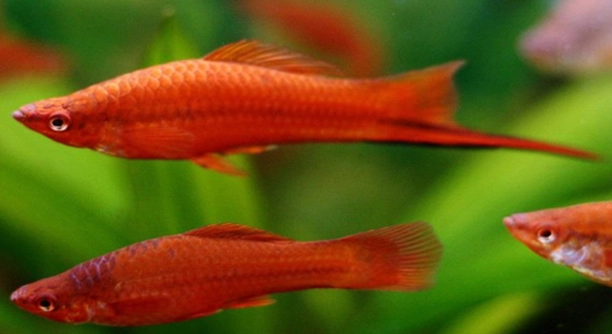
Swordtails are beautiful, active fish that many aquarium owners love. As with any fish, providing the best care is important for their well-being. One key consideration is whether swordtails can survive without a filter in their tank.
Swordtails can survive without a filter, but it’s not ideal. Without proper filtration, the water quality can deteriorate quickly, leading to stress or illness. Regular water changes and careful monitoring are crucial for their health in an unfiltered tank.
Maintaining a clean and balanced environment for your swordtails is essential to keep them thriving. Learn how to properly care for them, even without a filter.
Can Swordtails Live Without a Filter?
Swordtails can live without a filter, but it requires more care and attention from the owner. A filter helps to maintain water quality by removing waste and toxins. Without one, the water in the tank can become polluted faster, which can lead to health problems for your swordtails. Keeping the water clean is vital for their survival. If you’re considering keeping swordtails without a filter, you’ll need to commit to more frequent water changes to keep the environment healthy. Monitoring the water parameters closely—like pH, ammonia, and nitrate levels—is crucial.
A filter can be very helpful in maintaining a stable and healthy tank environment. Without one, it’s essential to provide extra care to make sure your swordtails stay happy and healthy.
You’ll also want to keep the tank well-planted, as plants can help naturally filter the water. In addition to regular water changes, plants can provide hiding spots and reduce stress for your swordtails. You might also want to invest in an air stone to help oxygenate the water, ensuring your fish get the oxygen they need to thrive. A well-planted and well-maintained tank can make a big difference in how your swordtails do without a filter.
The Role of Regular Water Changes
Water changes are a must if you’re not using a filter. They help to remove waste and toxins from the tank.
By performing water changes regularly, you can reduce harmful substances and provide a cleaner environment for your swordtails. Aim for about 25-50% water changes every week, depending on the size of your tank. Always use water conditioner to remove chlorine and chloramine from tap water. This will help avoid any harmful effects on your fish. Clean the substrate of the tank during water changes to remove any uneaten food or debris.
In addition to water changes, you’ll need to be mindful of the temperature and ensure the water remains stable. Swordtails prefer water between 72-82°F (22-28°C). Sudden temperature fluctuations can cause stress, so keep the room temperature stable. Invest in a thermometer to monitor the water temperature and adjust as needed. You’ll also want to test your water frequently to ensure your swordtails are living in the healthiest environment possible. By staying consistent with maintenance, your swordtails can survive without a filter.
Benefits of Having a Filtered Tank
While swordtails can live without a filter, having one can make their life a lot easier. A filter keeps the tank clean by circulating water and removing waste, which reduces the need for frequent water changes.
A filter also provides better oxygenation, which is crucial for swordtails and other aquarium fish. Without a filter, the water can become stagnant, leading to lower oxygen levels. Swordtails need oxygen-rich water to stay healthy, especially because they’re active swimmers. A filter not only helps with water quality, but it also keeps the water moving, creating a more natural environment.
Furthermore, filters can help prevent the growth of harmful bacteria by removing excess organic matter. This helps to create a more stable and balanced ecosystem for your swordtails. If you’re new to fishkeeping, a filter might be the best option to ensure a healthy and thriving tank. While swordtails can survive without one, having a filter is definitely a more convenient and efficient way to keep the tank environment healthy and stable.
Managing Tank Health Without a Filter
Without a filter, managing the tank’s health becomes more hands-on.
It is important to have a strict maintenance routine to ensure your swordtails thrive in an unfiltered environment. Start by setting a schedule for water changes, aiming for once a week. You should also vacuum the substrate to remove waste buildup.
A well-maintained tank can still thrive without a filter. However, in the absence of filtration, you will need to increase your vigilance and upkeep. To make up for the lack of filtration, a higher frequency of water testing is essential. Regularly monitor ammonia, nitrate, and nitrite levels to prevent harmful spikes. Adding live plants can help absorb excess nutrients, improving water quality.
It’s also important to avoid overfeeding your swordtails, as uneaten food can contribute to poor water quality. Ensure that food is consumed quickly, and remove any leftover food. By maintaining the tank in a clean state, swordtails can survive, but extra effort is required to ensure their long-term health.
How to Maintain Water Quality Without a Filter
Maintaining water quality is crucial for swordtails, especially without a filter. Frequent water changes are key.
Without a filter, waste and toxins can accumulate quickly. You’ll need to change the water regularly—aim for 25-50% every week. Use a water conditioner to neutralize chlorine and chloramine. Testing the water frequently for ammonia, nitrate, and nitrite levels will help you monitor the health of the tank. It’s a good idea to invest in a test kit to keep track of these parameters. Keep an eye on the water’s pH, too, as swordtails thrive in slightly alkaline conditions.
Adding live plants will help by absorbing excess nutrients. Plants can also offer shelter for your swordtails, which helps reduce stress. A well-planted tank can reduce some of the work required to maintain water quality. Additionally, adding an air stone can help improve oxygenation, making it easier for swordtails to thrive in the tank. You should still perform regular water changes to keep the tank in optimal condition, but plants and other measures can help with the upkeep.
The Importance of Tank Size
A larger tank can make a significant difference in water quality and swordtail health.
The size of the tank directly impacts the ability to manage waste and maintain a stable environment. Smaller tanks are more difficult to manage without a filter. The smaller the tank, the faster waste can build up. A larger tank allows for more water volume, which means it’s easier to maintain stability. With more water, the concentration of harmful substances is diluted, reducing the frequency of water changes needed.
If you plan to keep swordtails without a filter, try to opt for a tank that holds at least 20 gallons of water. A bigger tank also provides more space for your fish to swim and be active, which reduces stress. Stress can weaken swordtails’ immune systems and make them more susceptible to disease. You’ll also need to monitor the tank’s water parameters more closely in smaller setups.
Feeding Swordtails Without a Filter
Feeding swordtails without a filter requires more care. Overfeeding can quickly lead to poor water quality.
Swordtails are active fish and will eat most foods, but it’s important not to overfeed. Leftover food can degrade water quality, especially in an unfiltered tank. Feed your swordtails only what they can eat in 2-3 minutes, twice a day. Remove any uneaten food promptly to avoid it breaking down in the water. This will help keep the tank clean without the need for a filter to catch excess food particles.
A balanced diet for swordtails includes high-quality flakes, pellets, and occasional live food. Avoid feeding too much protein, as it can pollute the water faster. A varied diet with occasional treats like brine shrimp or bloodworms can keep them healthy. Proper feeding not only ensures their well-being but also helps maintain water quality in a tank without filtration.
The Role of Air Stones
Air stones can help improve oxygen levels in an unfiltered tank.
Even without a filter, air stones can keep the water oxygenated. They work by creating small bubbles that increase water movement, helping to distribute oxygen. This is especially important for swordtails, as they require plenty of oxygen to stay healthy. Adding an air stone can make a big difference, even in a tank without filtration.
Air stones can also create gentle water movement, mimicking natural currents. Swordtails, being active fish, appreciate this movement. It also helps prevent the water from becoming stagnant, which could lead to unhealthy conditions for your fish.
Monitoring Water Parameters
Monitoring water parameters is vital in an unfiltered tank.
Regularly test the water for ammonia, nitrites, and nitrates. These substances can quickly build up in a tank without filtration, putting your swordtails at risk. Keep the pH between 7.0 and 8.0, as swordtails thrive in slightly alkaline water. A test kit will help you track these levels and adjust as needed.
FAQ
Can swordtails survive without a filter in a small tank?
Yes, swordtails can survive without a filter in a small tank, but it requires more frequent maintenance. Smaller tanks tend to have quicker changes in water quality, so you’ll need to change the water more often—ideally, 25-50% every week. Regularly test the water for ammonia, nitrites, and nitrates to ensure safe conditions for your fish. Additionally, keeping the tank well-planted can help maintain water quality by naturally absorbing excess nutrients. However, a larger tank makes it easier to manage water quality and reduces the risks of waste buildup.
How often should I change the water if I don’t have a filter?
Without a filter, you’ll need to perform water changes more frequently. Aim for a 25-50% water change every week, depending on the size of the tank. This helps remove waste, toxins, and excess nutrients that could harm your swordtails. Smaller tanks may need more frequent changes, while larger tanks might allow for slightly longer intervals between water changes. Always use a water conditioner to treat tap water, and be sure to vacuum the substrate to remove leftover food and debris during each water change.
Do swordtails need an air stone if there’s no filter?
An air stone can be very helpful, even if you don’t have a filter. It helps oxygenate the water by creating bubbles that improve water circulation. Swordtails, being active fish, need plenty of oxygen to stay healthy. Without a filter, the water can become stagnant, leading to lower oxygen levels. An air stone can provide the necessary oxygenation, making it easier for your swordtails to thrive. It can also mimic natural water movement, which swordtails enjoy, reducing stress.
What type of plants should I include in a tank without a filter?
Live plants are a great addition to a tank without a filter, as they help improve water quality by absorbing excess nutrients like nitrates and phosphates. Good plant choices for a swordtail tank include hardy plants like Java Fern, Anubias, and Amazon Sword. These plants are easy to care for and can thrive in a variety of conditions. Floating plants, like Duckweed or Water Sprite, can also help by shading the water, reducing algae growth, and providing hiding spots for your swordtails. Plants also provide shelter and reduce stress, making your fish feel more comfortable.
Can I keep more swordtails in a tank without a filter?
It’s not advisable to keep too many swordtails in a tank without a filter. Overcrowding can quickly lead to poor water quality, even with regular water changes. Swordtails are active and produce waste, so it’s crucial to avoid overloading the tank. A good rule of thumb is to provide at least 10 gallons of water for each swordtail, especially when there’s no filtration. Overcrowding increases the risk of stress, disease, and poor water quality, which can lead to health problems for your fish.
What is the best way to feed swordtails without a filter?
Feeding swordtails without a filter requires careful attention to avoid overfeeding, which can pollute the water. Feed your swordtails only what they can consume in 2-3 minutes. Remove any uneaten food promptly to prevent it from decomposing and affecting water quality. Offer a balanced diet of high-quality flakes, pellets, and occasional treats like brine shrimp or bloodworms. Avoid overfeeding protein-rich foods, as they can create excess waste in the tank. Regular feeding schedules and portion control are essential to keep your tank clean and your swordtails healthy.
How can I ensure that swordtails stay healthy in an unfiltered tank?
To keep your swordtails healthy in an unfiltered tank, focus on maintaining clean water and stable conditions. Perform regular water changes (25-50% weekly), and test the water for ammonia, nitrites, and nitrates to ensure they are within safe levels. Keep the tank free of debris and leftover food by cleaning the substrate regularly. Consider adding live plants to help absorb excess nutrients and provide oxygen to the water. Adding an air stone can improve water circulation and oxygen levels. Keep the tank size appropriate for the number of swordtails to avoid overcrowding, which can stress the fish and degrade water quality.
Do I need to add any special water treatments in a tank without a filter?
Yes, adding water treatments can help ensure your swordtails stay healthy in an unfiltered tank. Use a water conditioner during water changes to neutralize chlorine and chloramine found in tap water. You might also want to use a bacterial supplement to introduce beneficial bacteria that help break down waste, particularly in the absence of a filter. Additionally, products that help control algae growth or improve water clarity may be useful. Regular water testing and adjustments are necessary to maintain the balance, but these treatments can support the overall health of your tank.
Are swordtails more likely to get sick in a tank without a filter?
Swordtails are more likely to get stressed or sick in a tank without a filter, mainly due to poor water quality. Without a filter, harmful substances like ammonia, nitrites, and nitrates can build up quickly, leading to stress, weakened immune systems, and an increased risk of disease. Regular water changes, proper feeding, and water testing are essential to reduce these risks. Keeping the tank clean and free of excess waste can help your swordtails remain healthy, but it will take more effort and attention compared to a filtered tank.
Can I add other fish to a tank with swordtails and no filter?
Adding other fish to a tank with swordtails and no filter requires careful consideration. Swordtails are peaceful but active fish, so they need plenty of space and stable water conditions. Avoid overcrowding, as it can lead to poor water quality and stress. Choose fish that have similar care requirements and temperaments, such as guppies, mollies, or platies. Keep in mind that adding too many fish can overwhelm the unfiltered system. Monitor the water quality closely and be prepared for more frequent water changes to ensure the health of all the fish in the tank.
How do I know if the water quality is bad for swordtails?
Signs of bad water quality in a swordtail tank include lethargy, loss of color, fin clamping, and abnormal swimming behavior. Swordtails may also show signs of stress like rapid gill movement or staying near the surface of the water if the oxygen levels are low. If you notice these symptoms, test the water immediately for ammonia, nitrites, and nitrates. Elevated levels of these substances can be harmful. Regular water testing and observing your fish’s behavior will help you catch issues early and address them before they become serious.
Final Thoughts
While swordtails can survive without a filter, it requires extra effort to ensure their well-being. Without filtration, the water quality can deteriorate quickly, which can lead to stress, illness, and even death for your fish. Regular water changes become essential in maintaining a healthy environment. In an unfiltered tank, aim to change 25-50% of the water weekly to remove waste and harmful toxins. The addition of live plants can also help by absorbing excess nutrients and providing a more natural environment for your swordtails. However, a larger tank with proper maintenance can help mitigate some of the challenges associated with keeping swordtails in an unfiltered setup.
Water quality is the most important factor to consider when deciding whether to keep swordtails without a filter. Frequent testing for ammonia, nitrites, and nitrates is necessary to ensure your tank remains safe for your fish. It’s also crucial to monitor the water’s pH and temperature, as swordtails prefer stable conditions. Without a filter, you’ll need to be more vigilant about water parameters and cleanliness. The size of your tank also plays a significant role—larger tanks are easier to manage and maintain than smaller ones. Keep in mind that overcrowding can lead to more waste production, making it harder to maintain water quality. If you plan to add other fish, be sure they are compatible with swordtails and will not contribute to poor water conditions.
In the end, keeping swordtails without a filter is possible, but it’s not ideal for beginners or those who cannot commit to the extra maintenance. If you’re willing to invest time in water changes, monitoring, and general care, your swordtails can still thrive in an unfiltered tank. However, for those looking for a more manageable aquarium setup, adding a filter is highly recommended. Filters not only help maintain water quality but also provide better oxygenation, which swordtails need to stay healthy. Ultimately, it’s about finding the right balance of care and choosing the setup that works best for both you and your fish.

Hello,
If you enjoy the content that we create, please consider saying a "Thank You!" by leaving a tip.
Every little bit helps us continue crafting quality advice that supports the health, happiness, and well-being of pets around the world, for pets of all shapes, sizes, and species.
We really appreciate the kindness and support that you show us!