
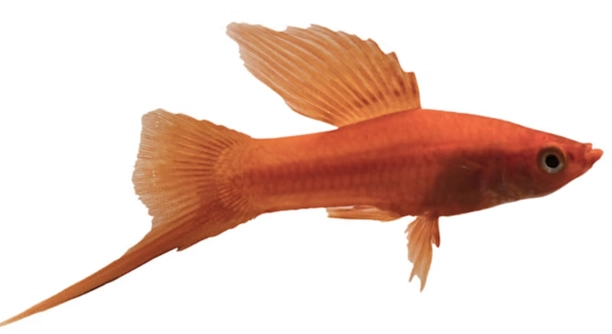
Sometimes, you might notice your swordtails not moving around much in their tank. This can be concerning, especially if they’re usually active and playful. Understanding the reasons behind their behavior can help you ensure they’re comfortable and healthy.
The main reason your swordtails may not be moving much is due to changes in water conditions. Poor water quality, temperature fluctuations, or improper pH levels can cause them to become sluggish or stressed.
With a few simple steps, you can identify and address the issues affecting your fish. Proper care and maintenance will help bring your swordtails back to their lively selves.
Water Quality
Water quality plays a crucial role in the behavior of your swordtails. Fish are very sensitive to their environment, and even small changes in the water can cause them to become lethargic. If the water is too dirty or contaminated with toxins, swordtails may retreat and stay still. To ensure they stay active, it’s important to test the water regularly for harmful substances like ammonia, nitrites, and nitrates. A filtration system and regular water changes are key to maintaining a clean tank that supports your fish’s health.
Regularly testing your water and changing 25% to 30% of it weekly helps maintain good quality. Keeping the pH, hardness, and temperature stable is essential for preventing stress.
Maintaining water quality is simple, but essential. Fish thrive when they are in clean, stable environments. Make sure you use a good filtration system, test your water often, and do water changes regularly. If your swordtails are sluggish, poor water quality could be the reason.
Temperature Fluctuations
Swordtails are sensitive to temperature changes. If the water in the tank gets too hot or too cold, it can cause them to slow down or stop moving. Swordtails prefer water temperatures between 72°F and 78°F (22°C and 26°C). A temperature outside this range can stress them out and affect their behavior.
Use a reliable aquarium heater to keep the temperature stable. Sudden drops or spikes in temperature can shock your swordtails, making them inactive. It’s important to use a thermometer to monitor the water temperature consistently.
If you notice your swordtails staying still or hiding, check the temperature. Keeping it in the ideal range not only keeps them healthy but also encourages more natural behaviors like swimming and exploring. Temperature stability is an important aspect of your swordtail’s overall well-being.
Overcrowding
Overcrowding in the tank can lead to a lack of space for your swordtails to swim freely. If there are too many fish in the tank, swordtails can become stressed and inactive. The stress from overcrowding may make them retreat into corners or stay still.
Make sure to provide enough space for each fish to swim comfortably. A good rule of thumb is one inch of fish per gallon of water. This ensures your swordtails have enough room to move around without feeling cramped. If you have too many fish, consider upgrading to a larger tank or reducing the number.
In overcrowded tanks, the water quality can quickly degrade, adding stress to the situation. Swordtails need both physical space and clean water to thrive. You may also notice aggression among the fish, as they compete for territory. By controlling the number of fish in your tank, you can prevent unnecessary stress, which helps keep your swordtails active and healthy.
Poor Diet
A poor diet can cause your swordtails to become sluggish and inactive. Fish that aren’t getting enough nutrition may lack the energy to swim around as they normally would. Swordtails need a balanced diet consisting of high-quality flakes, pellets, and occasional live food.
Feeding them a variety of foods ensures they’re getting all the necessary vitamins and nutrients. Avoid feeding your swordtails too much, as overfeeding can cause health problems and water pollution. Stick to feeding them twice a day and remove any uneaten food after a few minutes.
If your swordtails are not moving much, it might be due to a lack of essential nutrients. Inadequate nutrition affects their energy levels and overall health. Try offering them different types of food like frozen brine shrimp or daphnia to keep their diet interesting and balanced. A healthy diet keeps your swordtails active, so pay attention to their feeding habits.
Illness or Disease
If your swordtails are not moving much, it could be due to illness. Fish that are unwell often become lethargic, hiding or staying still. It’s important to observe any other symptoms such as discoloration or swelling.
Common diseases like velvet, ich, or fin rot can make swordtails slow and inactive. If you notice any signs of illness, it’s essential to quarantine the affected fish and treat them with the proper medications. Early intervention is crucial for a full recovery.
A healthy fish is an active fish, so if your swordtails are sluggish, consider their overall health. Regularly inspect your fish for any signs of illness and address problems promptly to avoid affecting the rest of the tank.
Poor Water Circulation
Poor water circulation can make swordtails less active, as stagnant water can reduce oxygen levels. Without good water flow, your swordtails may not get enough oxygen, which can cause them to remain still.
A water pump or filter that ensures proper circulation helps maintain oxygen levels in the tank. Swordtails thrive in tanks with gentle water flow, which mimics their natural habitat. Proper circulation also prevents waste and debris from accumulating at the bottom of the tank, keeping the environment cleaner.
Good water circulation not only improves the health of your swordtails but also encourages them to move around more. Consider adding a filter with adjustable flow rates to create an ideal environment. Healthy, oxygen-rich water promotes activity and vitality in your fish.
Tank Environment
Swordtails can become inactive if their environment is not stimulating. A bare tank with little decoration or hiding spots can make them feel insecure, leading them to stay still.
To keep your swordtails active, include plants, rocks, or driftwood in the tank. These decorations provide hiding spots and offer the fish places to explore. A varied environment can help reduce stress and increase their natural behavior.
FAQ
Why are my swordtails staying still near the surface?
Swordtails may stay near the surface for a few reasons. One common cause is low oxygen levels in the tank. If there’s poor water circulation, they might swim closer to the surface where oxygen is more plentiful. Another possibility is that the temperature is too high, which can force them to the top for cooler water. Check both the temperature and filtration system to make sure everything is optimal for your fish.
How do I know if my swordtail is stressed?
Stress can be indicated by several behaviors. If your swordtail is hiding more than usual, not swimming around, or showing signs like faded colors or clamped fins, these are signs of stress. Poor water quality, overcrowding, or temperature fluctuations can contribute to stress. Observe your swordtail’s behavior and make adjustments to the tank to address potential issues.
Can swordtails get too hot?
Yes, swordtails can become stressed or lethargic if the water temperature is too high. Swordtails prefer water temperatures between 72°F and 78°F (22°C and 26°C). If the temperature rises above 80°F (27°C), swordtails may become sluggish, and their health may be affected. It’s important to keep the tank within the recommended temperature range by using a heater with a thermostat.
What should I do if my swordtail isn’t eating?
If your swordtail isn’t eating, there could be several reasons. First, check the water quality to make sure it’s not affecting their appetite. Stress from poor water conditions or tank mates can also cause them to stop eating. If the fish is sick, it may refuse food. Offering different types of food can help entice them, but if the behavior persists, a visit to the vet or a quarantine tank may be necessary.
How often should I feed my swordtails?
Swordtails should be fed once or twice a day, depending on their size and the amount of food they consume. Only offer a small amount of food that they can eat in a few minutes to prevent overfeeding, which can pollute the water. Remove any uneaten food after feeding to maintain water quality.
Can swordtails get along with other fish?
Swordtails are generally peaceful and get along well with other fish that share similar care requirements. However, they may display aggression toward other males, especially during breeding periods. Make sure to provide plenty of space, hiding spots, and suitable tank mates. Avoid keeping them with very aggressive species to prevent stress.
Why is my swordtail swimming upside down?
Swimming upside down can be a sign of a serious health issue, like swim bladder disease. The swim bladder helps fish maintain buoyancy, and if it’s damaged or infected, they may have difficulty swimming correctly. If this happens, isolate the affected fish in a separate tank and consider using medications that target swim bladder issues.
Can swordtails live with other livebearers?
Yes, swordtails can live with other livebearers, such as guppies, mollies, and platies. These species are often compatible since they have similar care needs, including water temperature, pH, and diet. However, be mindful of potential breeding, as some livebearers can quickly overpopulate the tank. Provide enough space and avoid overcrowding to prevent stress.
How long do swordtails live?
Swordtails can live for 3 to 5 years if they are well cared for. Proper tank conditions, a balanced diet, and regular maintenance all play a role in their lifespan. Stressful environments, poor water quality, and untreated diseases can shorten their life expectancy. Regular check-ups and good aquarium practices will help ensure a long, healthy life for your swordtails.
What are the signs that my swordtail is about to give birth?
Female swordtails give birth to live young, and there are several signs that they’re about to deliver. One of the most noticeable is a swollen abdomen. You may also see the female separate from the group and seek out a quiet area in the tank. The process can take a few hours, so ensure the tank is prepared for the newborns.
How can I prevent my swordtail from being aggressive?
To reduce aggression, make sure there is enough space in the tank. Swordtails are territorial, especially the males, and overcrowding can lead to stress and fighting. Providing plenty of hiding spots with plants or decorations can also reduce aggression. If aggression persists, consider adjusting the male-to-female ratio to minimize conflicts.
Final Thoughts
When your swordtails are not moving much, it’s important to understand that there are several factors that could be affecting their behavior. Water quality, temperature, diet, and even tank mates can all play a role in how active your fish are. Swordtails, like all fish, rely on a stable and clean environment to thrive. If they are not swimming around as usual, it’s likely a sign that something is off with their living conditions. Paying attention to water parameters like pH, ammonia, and nitrate levels is essential in keeping your swordtails healthy and active.
Another factor to consider is their environment. Swordtails need plenty of space to swim and explore. Overcrowding, poor water circulation, or a lack of hiding spots can all lead to stress, which in turn can make your swordtails inactive. Adding plants, rocks, and driftwood can create a more stimulating environment, which helps keep them engaged and active. Sometimes, a simple rearrangement of tank decorations can help relieve stress and encourage your swordtails to move around more. Additionally, providing hiding spots will give your fish a sense of security, reducing anxiety.
Finally, always keep an eye on your swordtails’ health. If their inactivity persists despite addressing environmental issues, they may be sick. Illnesses like swim bladder disease or internal parasites can cause lethargy. If you suspect your fish is unwell, it’s important to isolate them and seek proper treatment. A healthy diet, proper care, and attention to water conditions can prevent many of the common issues swordtails face. By maintaining a well-balanced tank, you’ll not only keep your swordtails active but also ensure their long-term health and happiness.

Hello,
If you enjoy the content that we create, please consider saying a "Thank You!" by leaving a tip.
Every little bit helps us continue crafting quality advice that supports the health, happiness, and well-being of pets around the world, for pets of all shapes, sizes, and species.
We really appreciate the kindness and support that you show us!