
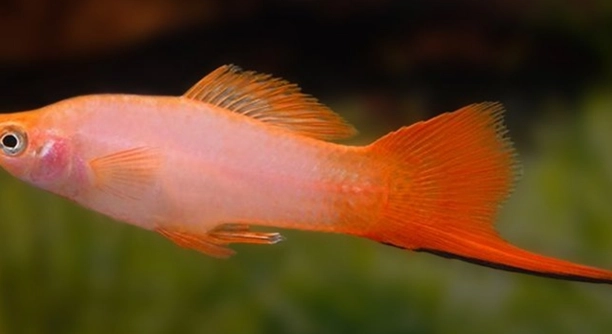
Is your swordtail fish acting differently once the lights go out and everything seems calm in the tank?
Swordtails often become aggressive at night due to territorial instincts, hormonal changes, or stress triggered by lighting and tank conditions. These behaviors may also surface when tank mates compete for space or resources.
Understanding nighttime behavior can help you create a safer environment for all your fish and reduce unwanted aggression in your tank.
What Causes Aggression in Swordtails at Night
Swordtails may seem peaceful during the day but shift their behavior once night falls. This change can be triggered by multiple factors like stress, overcrowding, or lack of proper hiding spaces. When the tank becomes dark, dominant fish often assert control over the space, leading to chasing or nipping. Lighting schedules that are inconsistent or too sudden can also contribute to restlessness. Swordtails, especially males, may also become more territorial in low light. If they feel their space is being invaded, they act out. Food competition before lights go off may heighten aggression as well. Ensuring that the tank is balanced, with enough space and plants or decorations to hide in, helps minimize these outbursts. It’s also important to monitor if one fish is being targeted repeatedly, which could cause injury or stress over time. A calm environment supports healthier and more stable behavior throughout the entire tank.
Swordtails rely on stable environments to feel secure. Sudden changes, especially around nightfall, often bring out anxious or defensive behavior.
Keeping tank lights on a timer helps your swordtail adjust to a consistent routine. Adding more plants and hiding spots gives them safer spaces to retreat into. Monitoring these patterns is key.
How to Manage and Reduce Aggression
Set up the tank to reduce tension between your fish. Ensure the tank is not overcrowded and each fish has space to move freely.
A 20-gallon tank or larger is ideal for swordtails, especially if you keep more than one male. Overcrowding can lead to increased stress, and stress is one of the main causes of aggression. Adding live or artificial plants helps create visual barriers, allowing fish to avoid each other when needed. Use a consistent light schedule—either a timer or a gentle transition from day to night with dim lighting. Avoid feeding right before lights out, as leftover food may stir competition. Keep an eye on water quality as well; poor conditions make fish more irritable. Regularly test your water for ammonia, nitrite, and nitrate levels. If you notice one fish being aggressive consistently, consider separating it temporarily to break the pattern. When fish feel safe and the environment supports their natural behaviors, they’re less likely to act out or cause harm to others.
Signs Your Swordtail Is Stressed or Aggressive
You might notice fin nipping, chasing, or one fish staying away from the others. These are common signs your swordtail is either stressed or showing dominant behavior. Watch for changes in swimming patterns or hiding more often than usual.
When a swordtail is stressed or acting aggressive, it may swim erratically, hover near the bottom, or hide for long periods. Aggressive ones may flare fins, chase other fish away from certain spots, or guard specific areas of the tank. Sometimes, the color of the fish will darken slightly, showing discomfort. It’s also common for stressed fish to eat less or isolate themselves. Identifying these signs early can help prevent injuries or further stress in your tank. Aggression that goes unchecked may escalate, so it’s important to respond quickly with environmental changes or by separating aggressive fish when needed.
Fin damage is another signal to watch for. If you notice torn or frayed fins, that usually means your swordtail has been in a confrontation. Even peaceful fish may respond defensively when they feel threatened. Check if only one fish seems to have marks or if multiple fish show signs. That will help you figure out which one may be acting out. Sometimes aggression builds slowly, so small signs matter.
Adjusting Tank Conditions for Better Behavior
Creating the right tank conditions can reduce stress and limit aggression. Adding more plants, decorations, or even rearranging existing ones can help break up sightlines and make the tank feel less threatening to each fish.
It’s also helpful to limit the number of males if you have a small tank. Males are more likely to fight, especially when females are present. A ratio of one male to two or three females often keeps things calmer. Make sure each fish has room to swim freely. Uneven territories lead to fights. Lighting also plays a role—use a timer and avoid turning lights on or off suddenly. Stick to a regular feeding time and provide high-quality food that meets nutritional needs. Clean the tank often and maintain stable water conditions. Ammonia and nitrite spikes can make fish feel unwell, leading to unusual behavior. With the right setup, aggression can usually be controlled or avoided altogether.
Should You Separate Aggressive Swordtails
If one swordtail keeps chasing or injuring others, separating it can give the rest of the tank a break. Use a divider or a separate tank to prevent stress and allow healing time.
Temporary separation often helps calm things down. After a few days, reintroduce the fish and watch closely.
When to Seek Help from a Fish Expert
If aggression continues despite changes in lighting, space, or tank layout, it might be time to ask for help. A local aquarium specialist or experienced fish keeper can spot issues that are easy to miss. They can also help you check water chemistry or suggest better tank mates.
Final Thoughts on Aggressive Behavior
Watching fish fight can be stressful, but a few changes can usually fix things. The sooner you act, the better your tank will feel for everyone.
FAQ
Why does my swordtail only act aggressive at night and not during the day?
Swordtails often feel more secure or dominant when the tank is dark. Without light, their surroundings feel different, and territorial instincts may become stronger. At night, fish have fewer distractions and may focus more on defending their space. During the day, movement and light help spread their attention and energy. Some fish also feel less observed or vulnerable in the dark, so they’re more likely to show natural, unfiltered behaviors. If lighting changes suddenly, this can also startle them and trigger sudden aggressive actions. This pattern is common and usually points to stress or an imbalance in the tank setup.
Can swordtails hurt each other if aggression goes unchecked?
Yes, swordtails can injure one another, especially when aggressive behavior is repeated. Nipped fins, stress-related illness, and loss of appetite are common issues. Injured fins may develop infections if not treated properly. If one swordtail constantly chases another, the weaker fish may stay hidden or stop eating, which leads to further health problems. Aggression can also raise overall stress levels for every fish in the tank. In a group setting, constant tension makes it hard for swordtails to feel secure. Over time, this weakens their immune system and can lead to disease outbreaks or early death.
Should I remove the aggressive fish permanently?
Not always. In many cases, the aggression is temporary and triggered by tank conditions. First, try adjusting the tank setup—add more hiding spots, spread out food, and keep a steady lighting schedule. If these steps don’t help, a temporary separation is best. You can reintroduce the fish after a few days and see if the behavior improves. Only consider permanent removal if the same fish continues to harm others or cannot adapt to the group. Some swordtails are naturally more dominant and may need to be in a different setup with fewer or no other males.
Do female swordtails also show aggression?
Yes, but not as often as males. Female swordtails can show aggression if they’re crowded or feeling stressed. They may chase others away from food or defend a preferred hiding spot. In rare cases, females become aggressive when they’re pregnant, especially if other fish keep following them. Most of the time, female aggression is mild and short-lived. If it becomes regular, check the tank conditions to make sure there’s enough space, food, and cover. Keeping a balanced male-to-female ratio also helps reduce tension.
Can lighting changes really affect swordtail behavior that much?
Yes, sudden or inconsistent lighting changes can confuse fish and make them feel unsafe. Swordtails prefer a steady routine. If lights go off or come on abruptly, it can cause them to panic, leading to aggressive outbursts. A timer helps create a smooth schedule they can rely on. Some people also use dim lights for a short period before full darkness to ease the transition. Good lighting habits make a big difference in keeping your tank calm, especially at night when aggression tends to rise.
Will adding more fish help reduce aggression?
Sometimes, but it depends on the tank size and fish types. Adding more fish to an already small tank usually makes things worse. But in a large enough tank, certain peaceful fish can act as distractions and help spread attention. This is called “dither fish” behavior—they help lower tension by keeping the environment more active. Just be careful not to overcrowd. Always match new fish to the swordtails’ temperament and space needs. If done right, more fish can balance things out and reduce dominant behaviors.
How long does it take for behavior to settle after changes?
It can take a few days to a couple of weeks. Fish need time to adjust to new setups, lighting, or tank mates. Give them space and avoid making too many changes at once. Keep a close watch for improvement or signs of stress. If things don’t calm down after two weeks, you may need to try another adjustment or separate the aggressive fish. Patience is key—quick fixes rarely work with fish behavior. Stability and consistency are what help the most in the long run.
Final Thoughts
Aggressive behavior in swordtails can be frustrating to watch, especially when it happens suddenly at night. These changes often come from stress, poor tank conditions, or natural instincts. When the environment isn’t balanced, fish feel insecure and start acting out. Swordtails may chase others, nip at fins, or become territorial when the tank is dark and quiet. It’s a behavior that doesn’t always mean something is wrong with the fish itself—it usually means the tank setup or routine needs a few changes. Once you begin to understand the reason behind the aggression, it becomes easier to manage and reduce it.
A peaceful tank often depends on proper space, hiding spots, and a predictable routine. Swordtails like stability. A steady light schedule, enough food, and the right number of tank mates can go a long way in keeping things calm. Rearranging tank decorations or adding plants can make a big difference by giving each fish its own area to rest. Temporary separation of a fish that’s acting out can help break aggressive patterns too. Observing your fish regularly helps you catch signs early. Small changes in swimming, eating, or interaction are worth paying attention to. These signs often appear before bigger problems show up.
It’s important to remember that some aggression is normal in fish, especially with species that show strong social or territorial behavior like swordtails. Not every chase means something is wrong, but when it becomes constant or leads to injury, it needs to be addressed. With some patience and small adjustments, most nighttime aggression can be reduced or even stopped. Taking care of water quality, watching how your fish interact, and creating a calm nighttime environment will help your swordtails feel safer. A well-maintained tank supports better behavior and healthier fish overall. Keeping track of what works and what doesn’t can help you make better choices if the problem returns later on. Even though aggression at night can seem random or sudden, there is almost always a cause—and a solution.

Hello,
If you enjoy the content that we create, please consider saying a "Thank You!" by leaving a tip.
Every little bit helps us continue crafting quality advice that supports the health, happiness, and well-being of pets around the world, for pets of all shapes, sizes, and species.
We really appreciate the kindness and support that you show us!