
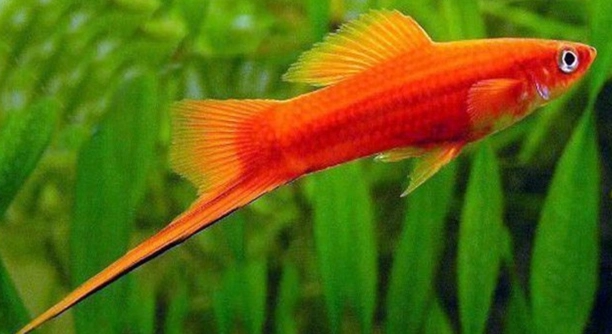
Swordtails are a popular choice for aquarium enthusiasts, but it’s important to understand their social needs. Many wonder if these fish thrive in small groups, as proper socialization is key to their well-being in captivity.
Swordtails are best kept in groups of at least 3-4 fish. They are social creatures that require interaction with others of their species. Keeping them in small groups helps reduce stress and encourages natural behaviors, contributing to a healthier aquarium environment.
With proper care, swordtails can thrive in small groups, making them an excellent addition to your aquarium setup.
Why Swordtails Need Social Interaction
Swordtails are active, social fish that do well in groups. While they are not overly aggressive, they enjoy the company of their own kind and exhibit a range of behaviors that help them thrive in a group. A group provides a sense of security and reduces stress levels, which in turn promotes their overall health. If kept alone or in pairs, swordtails may become stressed, leading to poor health, reduced lifespan, or even aggression. This is why it’s vital to ensure they are housed with a small group of their own kind.
For swordtails, being kept in small groups is essential to their mental and physical health. A group of at least 3-4 fish is ideal, as it allows them to interact naturally and establish their social roles. Without adequate socialization, they can display signs of stress such as fin nipping or hiding.
Groups also help prevent dominance issues that can arise in smaller numbers. In a larger group, the fish can spread out their behaviors, with less risk of one fish becoming overly dominant. This makes their environment calmer, more natural, and balanced. Keeping swordtails in a group of at least three reduces the chances of these issues occurring.
Tank Size for Swordtails
Tank size is another important factor in keeping swordtails healthy. They need space to swim freely, as cramped conditions can cause stress. A 20-gallon tank is usually enough for a small group of swordtails. Larger tanks allow for more comfortable movement, reducing territorial behavior. It’s important to ensure that the tank has plenty of hiding spots and plants, providing swordtails with the comfort they need.
Additionally, tank size plays a significant role in maintaining water quality. In a smaller tank, waste can build up quickly, leading to poor water quality. Keeping swordtails in a larger tank helps ensure better water circulation and quality, both of which are critical for their health. Regular water changes and filtration will also support a healthy living environment for your fish.
Adding plants and decorations provides the swordtails with areas to explore and hide, helping them feel secure. This is essential for preventing stress and encouraging natural behaviors. With the right environment, swordtails will live a longer, healthier life.
Swordtail Feeding Habits
Swordtails are omnivores, meaning they require a balanced diet of both plant and animal matter. A variety of foods, such as high-quality flakes, pellets, and occasional live or frozen foods like brine shrimp or daphnia, ensures they stay healthy. Regularly changing their diet also provides essential nutrients for growth.
Overfeeding swordtails can cause health problems like obesity, poor water quality, and digestive issues. Feeding them once or twice a day is sufficient, offering only what they can consume in a few minutes. In addition to their primary diet, providing occasional vegetables like spinach or peas adds variety and helps maintain their digestive health.
It’s important to monitor swordtails’ eating habits closely. Uneaten food should be removed promptly to prevent it from deteriorating and affecting water quality. Swordtails are generally easy to feed and will adapt to most foods, but it’s essential to choose high-quality options to ensure they’re getting all the nutrients they need. A well-balanced diet promotes long-term health and vibrant coloration.
Compatibility with Other Fish
Swordtails are relatively peaceful fish, but they are active swimmers that might annoy more timid species. They do best with other similarly sized, non-aggressive fish that enjoy a similar environment. Peaceful schooling fish like tetras or other livebearers are good choices.
Avoid keeping swordtails with overly aggressive fish, as they can become stressed or harassed. Similarly, very small fish might be at risk due to the swordtail’s larger size and territorial instincts. While swordtails are social, it’s essential to provide plenty of space and hiding spots to reduce the chance of stress and territorial conflicts.
If you plan to introduce swordtails to a community tank, consider the needs of all species involved. Keep an eye on their behavior, ensuring no one fish is being overly aggressive or bullied. Swordtails usually get along well with other peaceful fish as long as the tank environment suits everyone’s needs.
Tank Maintenance for Swordtails
Maintaining water quality is key to swordtail health. Regular water changes of 25-30% every two weeks help keep the tank clean. Also, monitoring water parameters like pH, ammonia, and nitrites is essential to avoid harmful conditions that can stress your fish. A stable, clean environment is crucial.
Invest in a reliable filtration system to ensure the tank stays clean between water changes. A filter removes waste and excess food, reducing the buildup of harmful toxins. Additionally, check the filter regularly and clean it to maintain its efficiency. Proper filtration prevents poor water quality that could harm your swordtails.
Swordtails also benefit from having their tank environment cleaned regularly. Use a gravel vacuum to remove debris from the substrate, which helps prevent the buildup of waste. Keeping decorations and plants free of algae ensures the tank remains a healthy place for your fish to thrive.
Breeding Swordtails
Swordtails are livebearers, meaning they give birth to live young rather than laying eggs. They breed easily in captivity, so it’s essential to be prepared for baby swordtails if you have both males and females in the same tank.
To prevent overpopulation, consider separating males and females, especially if you don’t plan to raise the fry. If you choose to allow breeding, be sure to provide hiding places for the fry. Swordtails can be aggressive toward their young, so hiding spots are vital for their survival.
FAQ
Can swordtails live with other fish?
Swordtails are peaceful fish that generally get along well with other species. They thrive in community tanks with similarly sized, non-aggressive fish like tetras, guppies, or other livebearers. However, it’s important to avoid keeping them with overly aggressive fish, as this could cause stress. Additionally, swordtails should not be kept with smaller species that might be intimidated by their size or swimming activity. It’s best to choose tankmates that are equally active and peaceful to ensure a harmonious environment.
How many swordtails can be kept together?
Swordtails are best kept in groups of at least 3-4 individuals. Keeping them in small groups helps reduce stress, as they are social fish. A larger group allows them to interact naturally, establish social hierarchies, and engage in normal behavior like chasing and schooling. This helps create a healthier environment for the fish. Keeping just one or two swordtails can lead to increased stress and loneliness, potentially affecting their overall health. A group of four or more will usually ensure a stable and happy dynamic.
What is the ideal tank size for swordtails?
Swordtails need plenty of space to swim and thrive. A tank size of at least 20 gallons is recommended for a small group of swordtails. Larger tanks offer more room for movement, reducing the chances of territorial behavior or stress. In addition, a larger tank provides better water quality and filtration, which is important for keeping swordtails healthy. If you plan to keep a larger group of swordtails, or add other fish, you may need a tank that is 30 gallons or more.
What do swordtails eat?
Swordtails are omnivores, which means they eat both plant and animal matter. A varied diet is essential for their health. High-quality fish flakes or pellets form the foundation of their diet, but they also enjoy live or frozen foods like brine shrimp, daphnia, and bloodworms. You can supplement their diet with vegetables such as spinach, zucchini, and peas to add variety and nutrients. It’s important not to overfeed swordtails, as this can lead to water quality problems and health issues. Feed them small amounts once or twice a day.
How do you tell the difference between male and female swordtails?
Telling male and female swordtails apart is relatively easy. Males are typically smaller and more colorful, with a long, pointed extension on their tail fin, known as the “sword.” Females, on the other hand, are larger and have a rounder body. They usually lack the sword-like extension on the tail and tend to have more subdued coloration. The males often show more aggressive and attention-seeking behavior, especially when trying to attract females. Knowing the difference helps when managing breeding or creating a balanced group of swordtails.
Do swordtails need a heater?
Swordtails are tropical fish, meaning they prefer warmer water temperatures, typically between 72°F and 78°F (22°C – 26°C). A reliable aquarium heater is essential if you live in a cooler climate, as fluctuating water temperatures can stress the fish and lead to health issues. Even in warmer environments, maintaining a stable temperature is crucial for swordtail health. Make sure to monitor the water temperature regularly to ensure it stays within the ideal range. Temperature stability is key to keeping your swordtails comfortable and thriving.
Are swordtails hardy fish?
Yes, swordtails are generally hardy and adaptable fish, making them an excellent choice for beginners. They can tolerate a wide range of water conditions and temperatures, as long as they are maintained within their preferred range. Swordtails can handle slight fluctuations in water parameters, but consistent, high-quality care is essential for their long-term health. Regular water changes, proper filtration, and a balanced diet will help ensure your swordtails live a long, healthy life. While they are tough, they are still sensitive to poor water quality, so maintaining a clean tank is crucial.
How do you breed swordtails?
Swordtails are livebearers, which means they give birth to live young instead of laying eggs. Breeding swordtails is relatively easy in a well-maintained tank. If you have both males and females, the chances of breeding are high. Female swordtails carry the fertilized eggs in their bodies for about 4 weeks before giving birth. You can separate the female into a breeding box if you want to prevent the fry from being eaten by other fish, as swordtails may eat their young. Providing plenty of hiding spots in the tank, such as plants or decorations, will help protect the fry.
Can swordtails live alone?
While swordtails can technically live alone, they are social fish that thrive in groups. Keeping a single swordtail can lead to loneliness and stress, which can affect its health. Swordtails are happiest when kept in small groups of at least three or four individuals, as this provides them with the social interaction they need. If you prefer a solitary fish, consider other species that are more suited to living alone. Keeping swordtails alone is not ideal for their mental well-being or overall health.
How long do swordtails live?
Swordtails typically live for 3 to 5 years with proper care. Their lifespan can be influenced by factors such as water quality, diet, and the overall environment they are kept in. Keeping swordtails in stable, clean water conditions and providing them with a balanced diet will help ensure they live to their full potential. Regular water changes, proper filtration, and monitoring of their health will contribute to a longer lifespan. A well-maintained tank is key to maximizing the health and longevity of your swordtails.
Final Thoughts
Swordtails are relatively easy to care for and make excellent additions to many home aquariums. They are peaceful, active fish that thrive in groups and adapt well to various tank conditions. With proper care, including clean water, a varied diet, and suitable tankmates, swordtails can live for several years, providing enjoyment for both beginners and more experienced fish keepers. Their vibrant colors and lively behavior make them a popular choice for aquarium enthusiasts who appreciate the beauty and simplicity of caring for these fish.
However, there are a few important considerations to keep in mind. Swordtails are livebearers, which means they reproduce quickly. If you are not ready to handle the potential for baby swordtails, consider separating males and females or being prepared to care for the fry. They may also become territorial, particularly if they are kept in smaller tanks, so it’s important to ensure that your aquarium provides enough space for each fish to thrive. A larger tank with plenty of hiding spots and places to explore will help reduce stress and promote healthy social behavior.
In the end, swordtails are rewarding to care for, especially when you take the time to create an optimal environment for them. By maintaining water quality, offering a balanced diet, and providing social interaction, you can ensure that your swordtails lead healthy, happy lives. Whether you are adding a few to an established tank or starting fresh with a new setup, swordtails are a great choice for any aquarium. With proper attention to their needs, they can bring a burst of color and activity to your home aquarium for years to come.

Hello,
If you enjoy the content that we create, please consider saying a "Thank You!" by leaving a tip.
Every little bit helps us continue crafting quality advice that supports the health, happiness, and well-being of pets around the world, for pets of all shapes, sizes, and species.
We really appreciate the kindness and support that you show us!